Custom 5-Axis CNC Machining Services

  • ±0.01mm Precision Machining Capability
  • 2Hour Fast Quotation Response
  • Engineering Review Before Production
  • Prototype to Mass Production Support
  • Fast Global Delivery

+

Years of Experience

+

Advanced CNC Machines

+

Customer cooperation Cases

%

Customer satisfaction

What Is 5-Axis CNC Machining?

5-axis CNC machining is an advanced manufacturing process that allows simultaneous movement along five different axes, enabling the production of highly complex and precise components in a single setup.

Compared with traditional 3-axis machining, 5-axis machining improves accuracy, reduces setup time, and delivers superior surface finishes for complex parts.

It is widely used in aerospace, medical, robotics, automotive, and precision engineering industries.
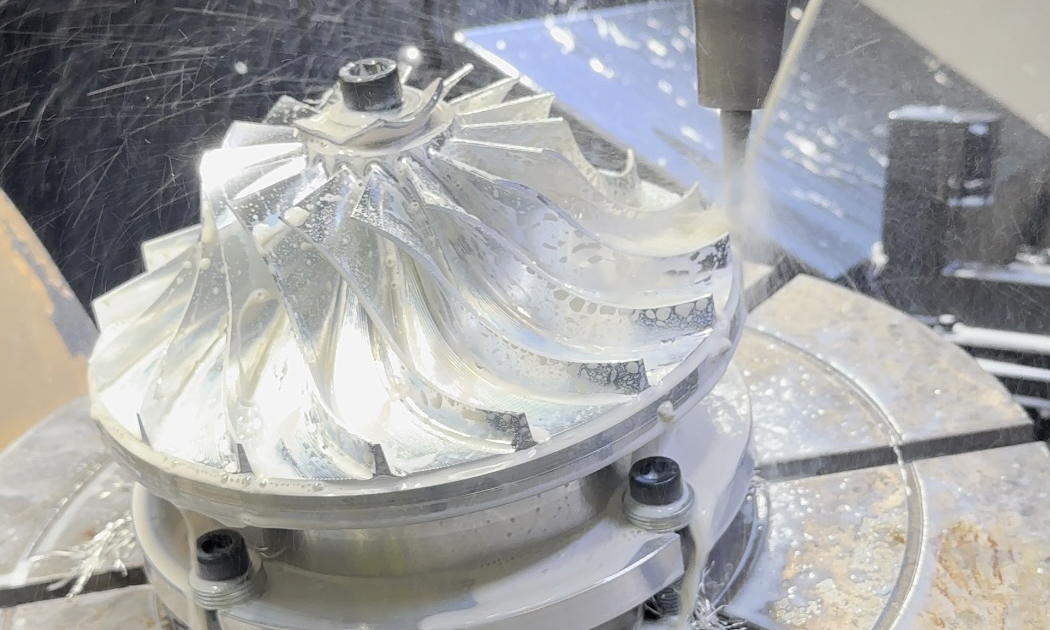
5-Axis Machining of Blades

Why Choose 5-Axis CNC Machining?

Reduced Multiple Setups

5-axis machining minimizes repositioning and multiple clamping operations, improving dimensional consistency and reducing cumulative errors.


Better Surface Finish

Continuous tool engagement allows smoother machining on curved and freeform surfaces.


Machining of Complex Geometries

  • Deep cavities
  • Undercuts
  • Turbine blades
  • Impellers
  • Organic surfaces


Higher Precision

Single-setup machining reduces tolerance stack-up and improves repeatability.


Faster Production Time

More efficient toolpaths and fewer setups shorten lead times for prototypes and low-volume production.

Our 5-Axis CNC Machining Capabilities

Precision Capability

Capability Specification
Tolerance ±0.01mm
Surface Finish Ra 0.4–3.2 μm
Max Part Size 800 mm
Min Feature Size 10 mm
Batch Size Low MOQ

Machining Types

  • Simultaneous 5-axis machining
  • Indexed 5-axis machining
  • High-speed milling
  • Multi-face machining
  • Deep cavity machining

Supported File Formats

  • STEP
  • STP
  • IGES
  • X_T
  • SLDPRT
  • DWG
  • DXF

Materials We Machine

Our 5-axis CNC machining services support a broad range of metals and engineering plastics for complex, high-precision components. Material selection can be optimized based on strength, weight, corrosion resistance, and application requirements.
Material Category Key Characteristics Typical Applications
Aluminum Lightweight, easy to machine, and offers an excellent strength-to-weight ratio. Aerospace components, robotics, electronics enclosures, industrial equipment
Stainless Steel Strong, durable, and highly resistant to corrosion and wear. Medical devices, food processing equipment, industrial machinery, precision assemblies
Carbon Steel & Alloy Steel High strength and toughness for demanding mechanical applications. Machine parts, fixtures, tooling, automotive components
Titanium High strength, low weight, and excellent corrosion resistance. Aerospace structures, medical components, high-performance engineering parts
Copper & Brass Excellent electrical and thermal conductivity with good machinability. Electrical contacts, connectors, heat sinks, precision hardware
High-Performance Alloys Designed for extreme temperatures, high stress, and harsh environments. Aerospace systems, energy equipment, defense and industrial applications
Engineering Plastics Lightweight, durable, and resistant to chemicals, wear, and corrosion. Medical devices, electronics, automation equipment, insulation components
Need help selecting a material? Our engineering team can recommend the most suitable option based on your application, performance requirements, and budget.

Available Surface Treatments

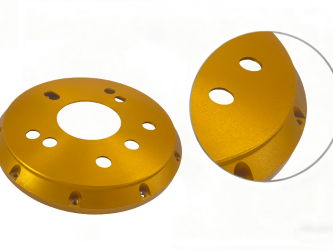
Anodizing

Anodizing

Anodizing improves corrosion resistance, wear resistance, and appearance for aluminum components. It is widely used in aerospace, electronics, robotics, and industrial applications.
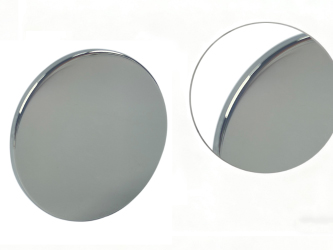
Polishing

Polishing

Polishing reduces surface roughness and enhances surface smoothness, making it suitable for high-precision, decorative, and functional components.
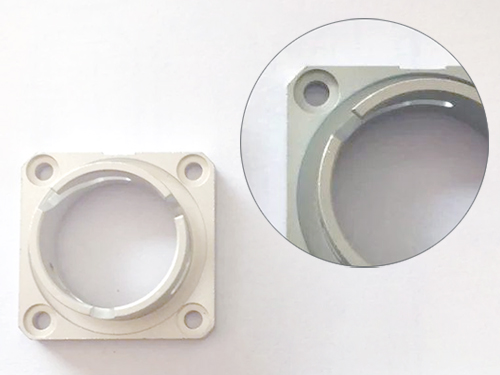
Passivation

Passivation

Passivation improves the corrosion resistance of stainless steel by removing surface contaminants and free iron, helping maintain long-term durability.
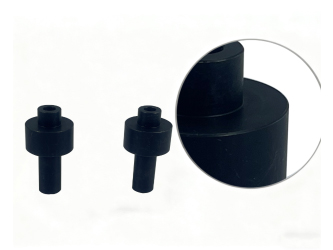
Black Oxide

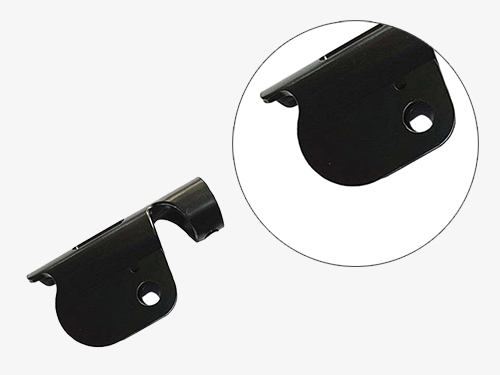
Black Oxide

Black oxide provides a protective black finish on steel parts while maintaining dimensional accuracy and improving corrosion resistance.
Electroplating

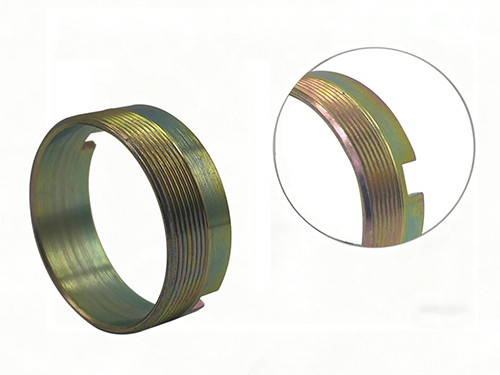
Electroplating

Electroplating applies a protective metallic coating, such as zinc or nickel, to improve corrosion resistance, wear resistance, and overall durability. It is widely used for industrial and mechanical components.
Sandblasting

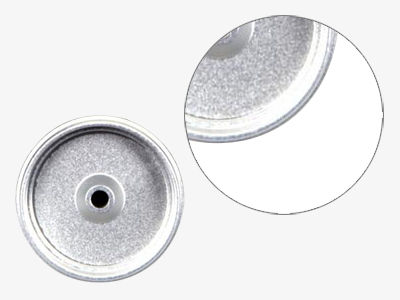
Sandblasting

Sandblasting removes machining marks and creates a uniform matte finish, improving both appearance and surface consistency. It is often used as a pre-treatment before anodizing and other finishing processes.
E-Coating

E-Coating

E-coating applies a uniform protective layer through an electrochemical process, offering excellent corrosion resistance and consistent coverage on complex geometries.
Brushing

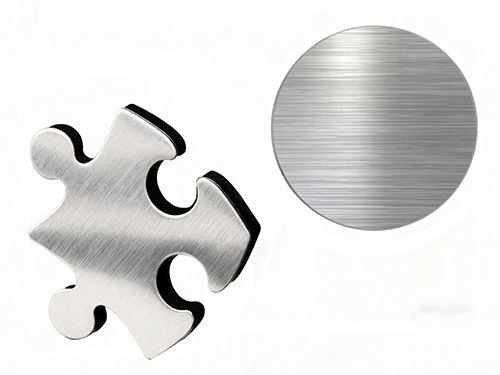
Brushing

Brushing creates a fine, linear texture on metal surfaces, producing a clean and professional appearance while helping to conceal minor scratches and fingerprints.
To meet the performance and appearance requirements of different applications, 5-axis CNC machined parts can be enhanced with a variety of surface finishing options. These treatments improve corrosion resistance, wear resistance, surface quality, and overall durability while ensuring parts are ready for demanding industrial environments.

Industry Applications

Precision CNC machining solutions for diverse industries and demanding applications.

Aerospace

High-precision components manufactured for lightweight structures, complex geometries and demanding performance requirements.
Learn More

Automotive

Supporting prototype development, functional parts and low-volume production for automotive applications.
Learn More

New Energy

Machined components for energy systems requiring dimensional stability and reliable performance.
Learn More

Motorcycle

Precision machining for motorcycle components, custom parts and performance accessories.
Learn More

Robotics

Complex machined parts for automation equipment, robotic assemblies and precision mechanisms.
Learn More

Case Studies

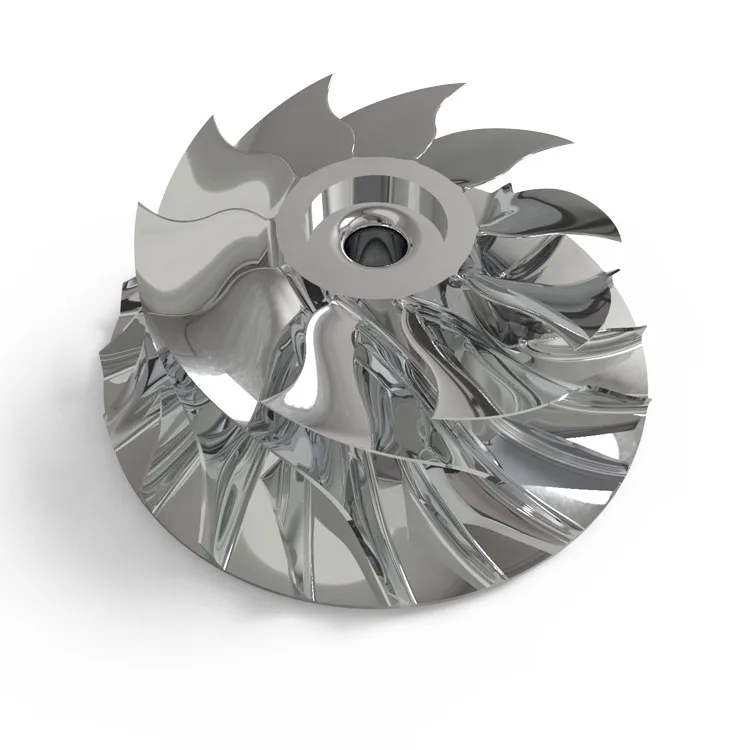
Aerospace Impeller

Challenge:

Complex blade geometry and tight dimensional requirements demanded high machining accuracy and excellent surface quality.

Solution:

Simultaneous 5-axis machining enabled complete machining in a single setup, improving consistency and reducing production time.

Item Details
Material Aluminum Alloy
Process Simultaneous 5-Axis Machining
Tolerance ±0.01 mm
Quantity 20 pcs
Lead Time 7 Days
Aerospace Impeller

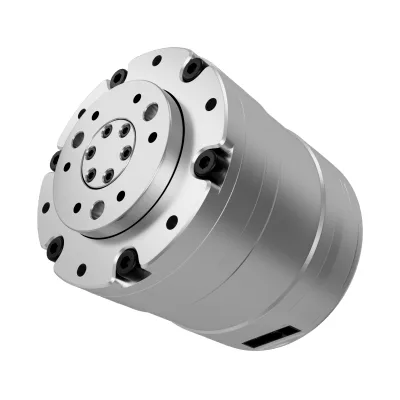
Robotic Joint Housing

Challenge:

Multiple mounting surfaces and intersecting features required precise positioning and dimensional stability.

Solution:

5-axis machining minimized setups and ensured accurate alignment for reliable assembly performance.

Item Details
Material Aluminum Alloy
Process Multi-Side 5-Axis Machining
Tolerance ±0.02 mm
Quantity 100 pcs
Lead Time 8 Days
Robotic Joint Housing

Automotive Prototype Component

Challenge:

The customer required rapid production for prototype validation and functional testing.

Solution:

High-speed machining strategies reduced lead time while maintaining critical tolerances.

Item Details
Material Stainless Steel
Process 5-Axis CNC Machining
Tolerance ±0.02 mm
Quantity 15 pcs
Lead Time 5 Days
Automotive Prototype Component

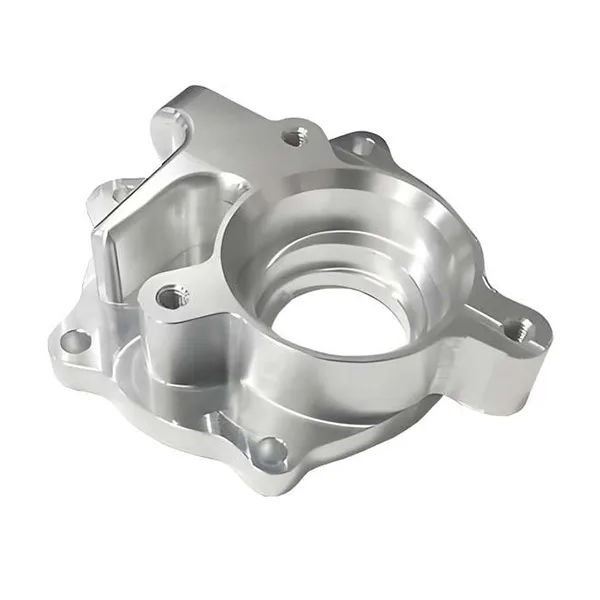
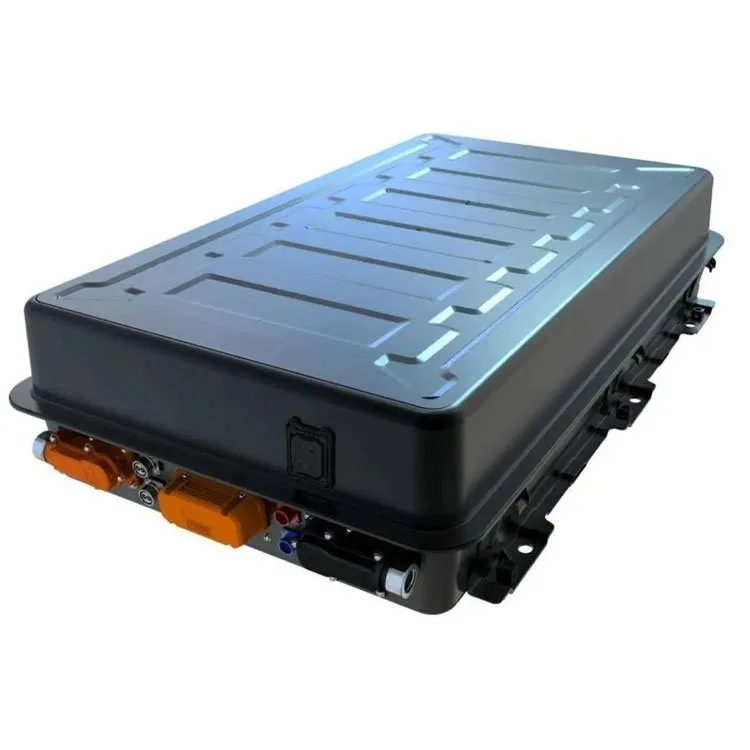
EV Battery Housing Component

Challenge:

Complex internal features and multiple mounting points required high dimensional accuracy and lightweight construction.

Solution:

5-axis machining provided efficient access to difficult features while ensuring excellent part consistency and surface quality.

Item Details
Material Aluminum Alloy
Process 5-Axis CNC Milling
Tolerance ±0.02 mm
Quantity 80 pcs
Lead Time 9 Days
EV Battery Housing Component

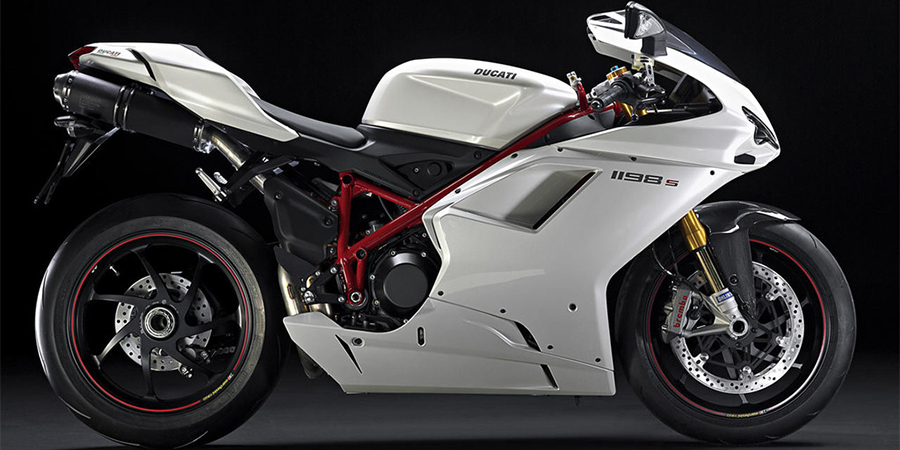
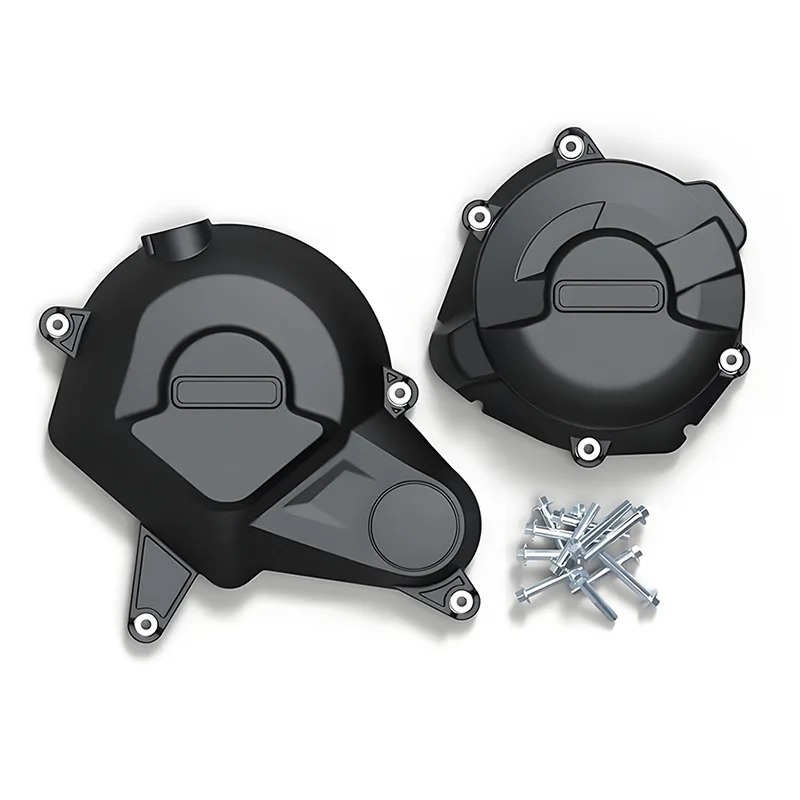
Motorcycle Engine Cover

Challenge:

The component featured complex contours and visible surfaces requiring both accuracy and appearance quality.

Solution:

5-axis machining delivered precise geometry and a superior surface finish while reducing secondary operations.

Item Details
Material Aluminum Alloy
Process 5-Axis CNC Machining
Tolerance ±0.02 mm
Quantity 50 pcs
Lead Time 6 Days
Motorcycle Engine Cover

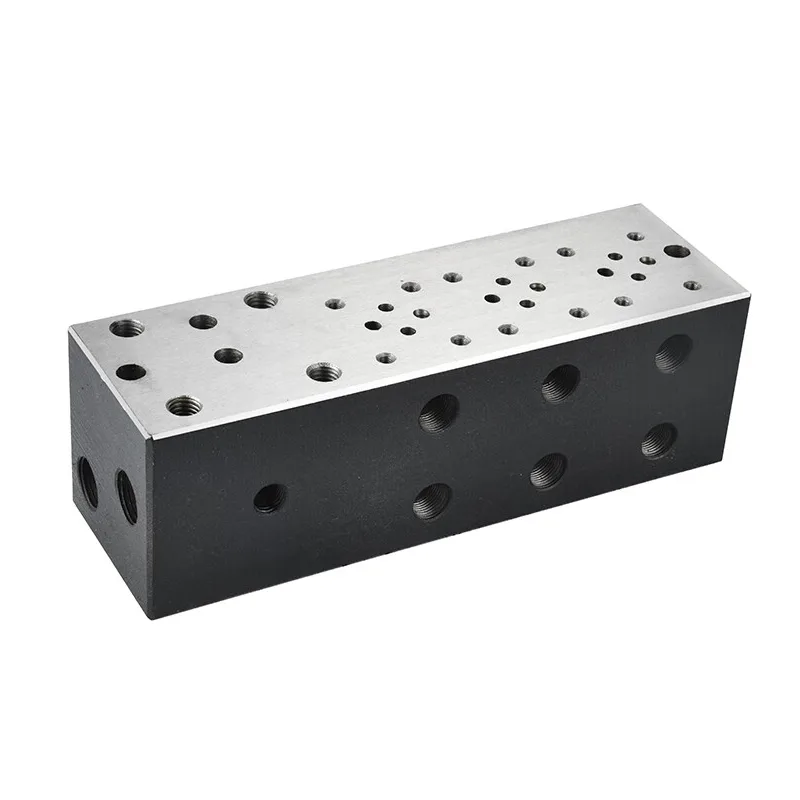
Precision Hydraulic Manifold

Challenge:

Multiple intersecting internal passages and machined faces increased manufacturing complexity.

Solution:

5-axis machining enabled efficient multi-angle machining, improving accuracy and reducing setup time.

Item Details
Material Stainless Steel
Process 5-Axis CNC Machining
Tolerance ±0.01 mm
Quantity 40 pcs
Lead Time 9 Days
Precision Hydraulic Manifold

Quality Control

We follow strict quality control procedures throughout the manufacturing process to ensure every part meets customer specifications. From material inspection and in-process checks to final verification, each component is carefully inspected for dimensional accuracy and surface quality.
Hardness Test scaled

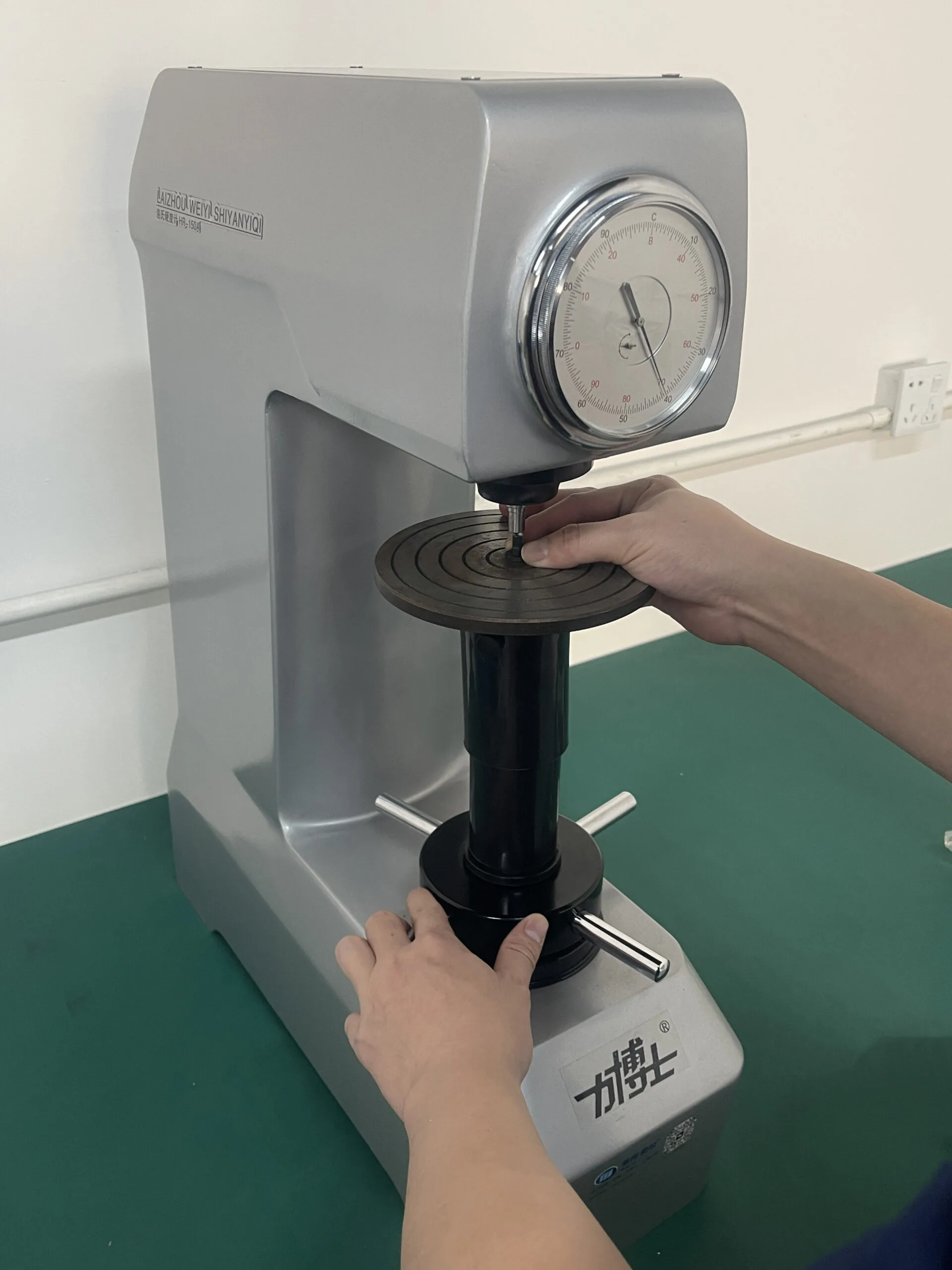
Hardness Test

Hardness test can be divided into Brinell hardness, Vickers hardness, Rockwell hardness, micro Vickers hardness, etc. Rockwell hardness test is the most commonly used test method, and the hardness value is determined by the depth of indentation plastic deformation. Hardness testing can be used to verify the surface and core hardness of the workpiece, mainly used in metal materials.Surface hardness is the resistance of the surface to deformation or damage, and the core hardness can reflect the essential properties of the material.
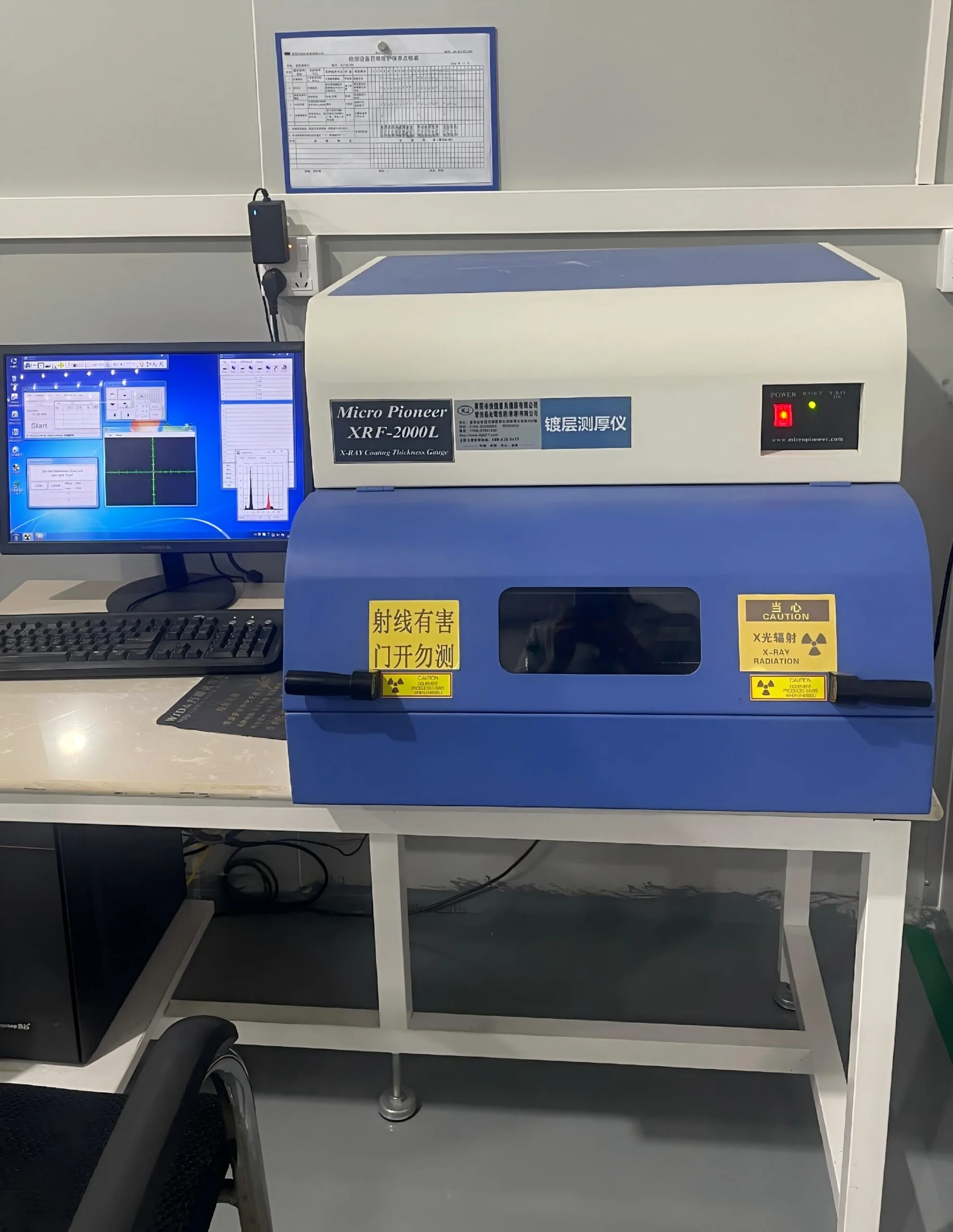
Coating Thickness Testing1 scaled

Coating Thickness Testing

Coating Thickness Testing is the process of measuring the thickness of a coating layer applied to a material's surface, typically to ensure that it meets specific standards for quality, durability, and performance. This testing is crucial in many industries, including automotive, aerospace, electronics, and construction, as it helps confirm that coatings—such as paint, anodizing, plating, or galvanizing—are applied evenly and meet required specifications.
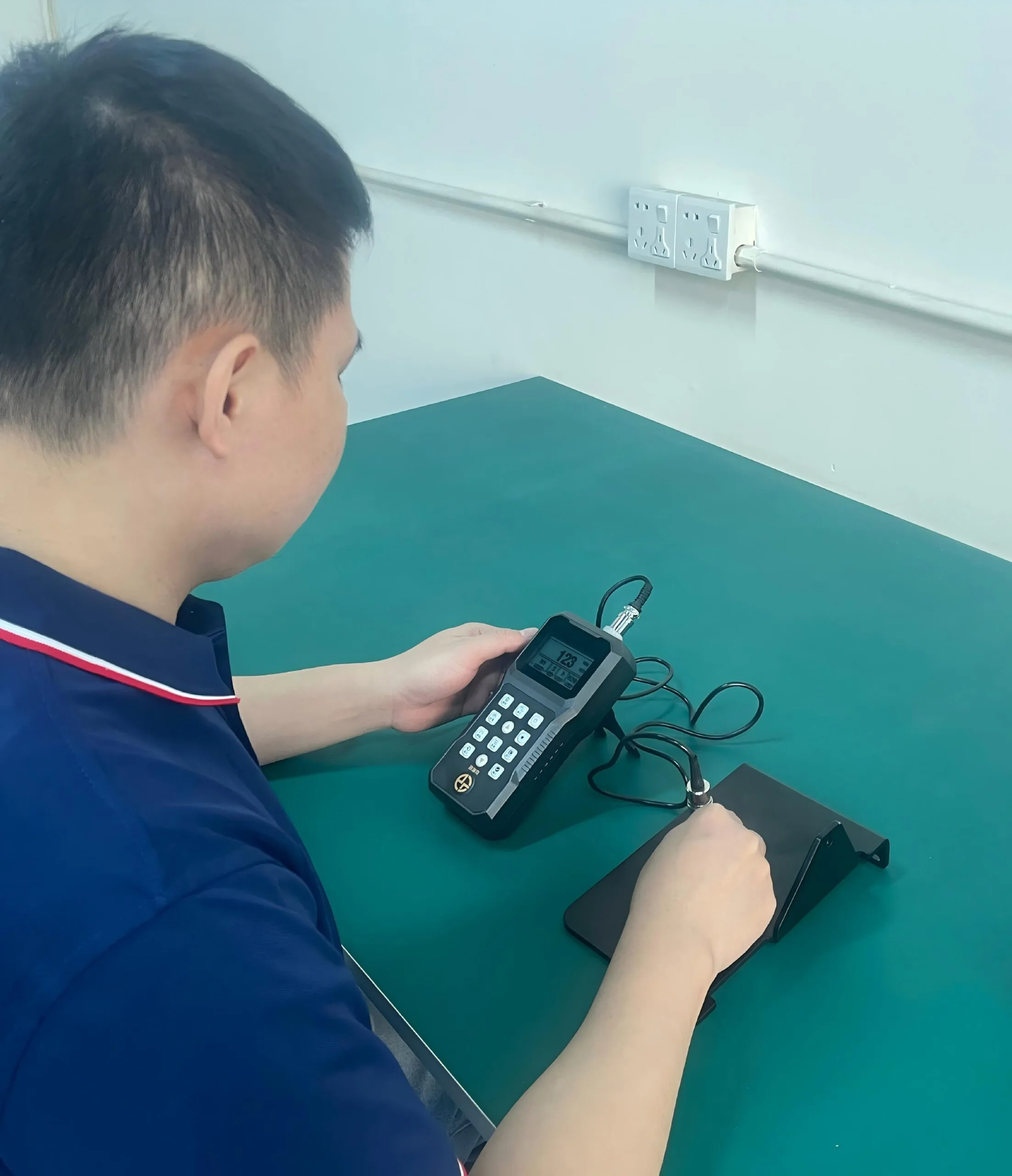
Film Thickness Test1 scaled

Film Thickness Test

Film thickness test is a kind of method to measure the thickness of non-magnetic coatings (such as aluminum, chromium, copper, enamel, rubber, paint, etc.) on magnetic basis metal (such as steel, iron, alloys, and hard magnetic steel). It can also measure the thickness of non-conductive coatings (such as enamel, rubber, paint, plastic, etc.) on non-magnetic basis metal(such as copper, aluminum, zinc, tin, etc.).Our test method has the characteristics of small measurement error, high reliability and good stability, which can control and ensure the quality of products.
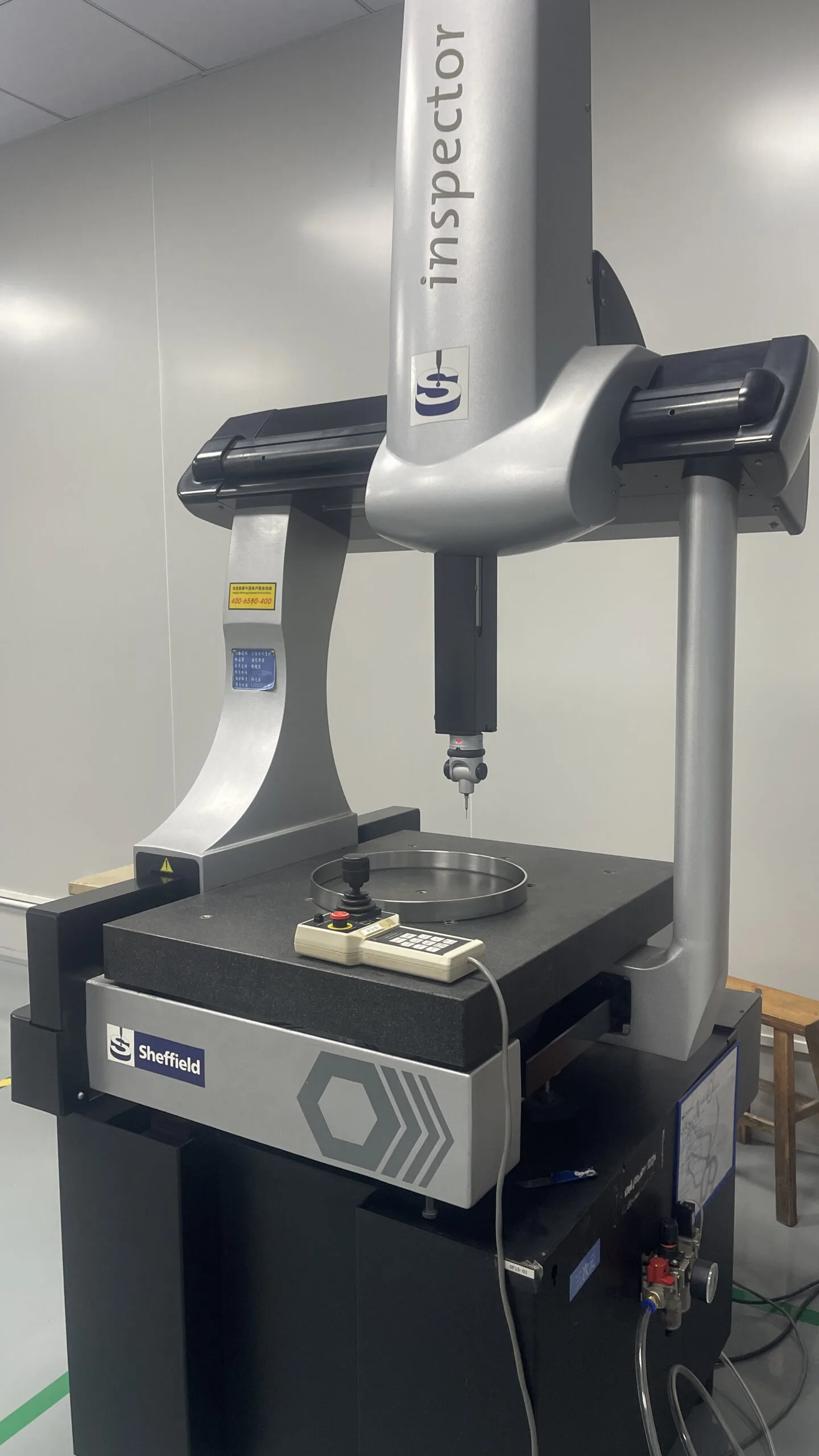
CMM Testing scaled

CMM Testing

High-precision 3D measurement using a Coordinate Measuring Machine to verify dimensional accuracy and GD&T requirements, ensuring every part meets the exact design specifications.
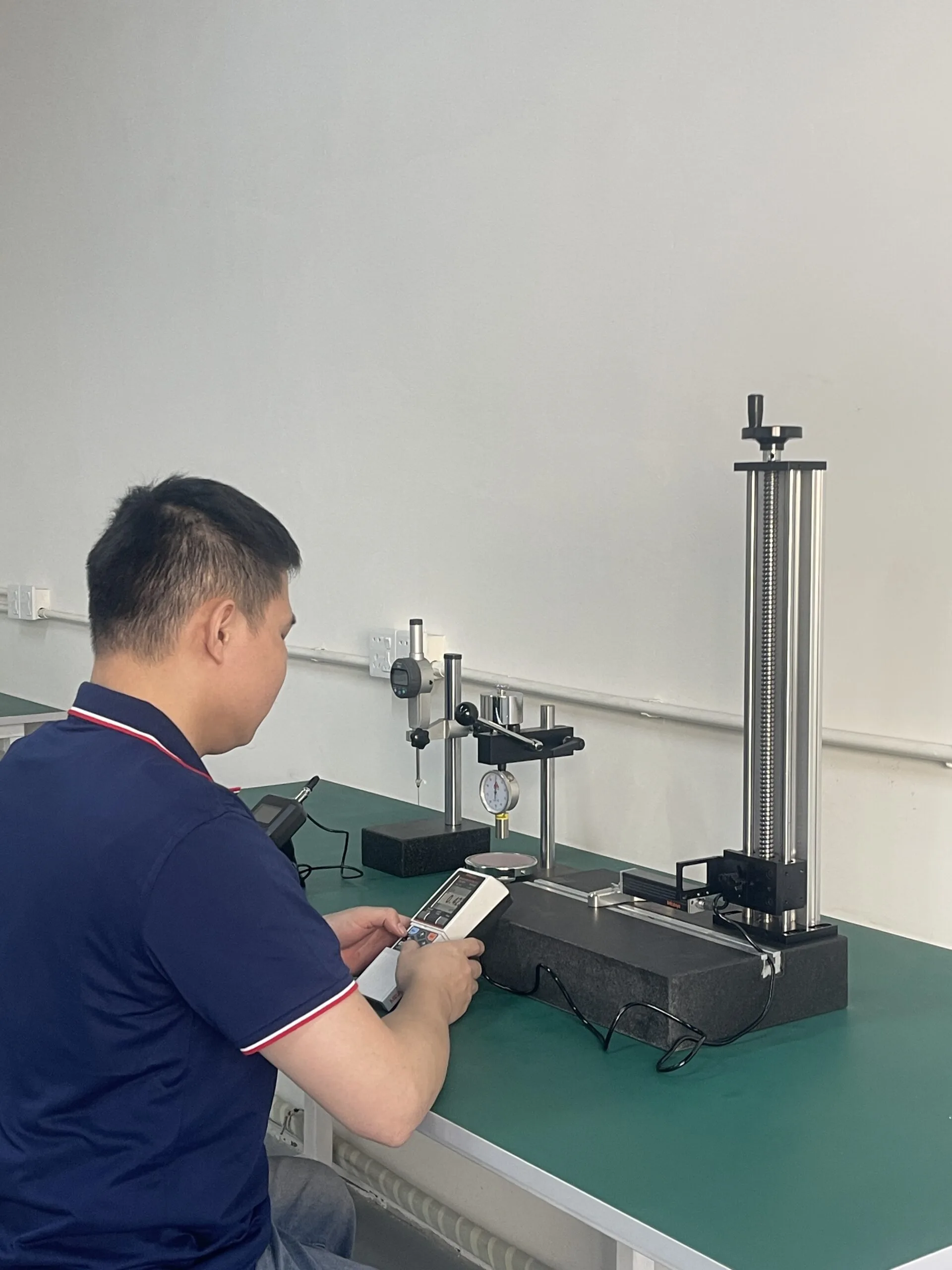
Surface Roughness Test scaled

Surface Roughness Test

The stylus method is a technique used to measure the surface roughness of the workpiece,which is suitable for the test range of R0.02-5μm,It has the characteristics of high precision, wide measuring range and simple operation. It is widely used in the inspection of various metal and non-metal processing surfaces.
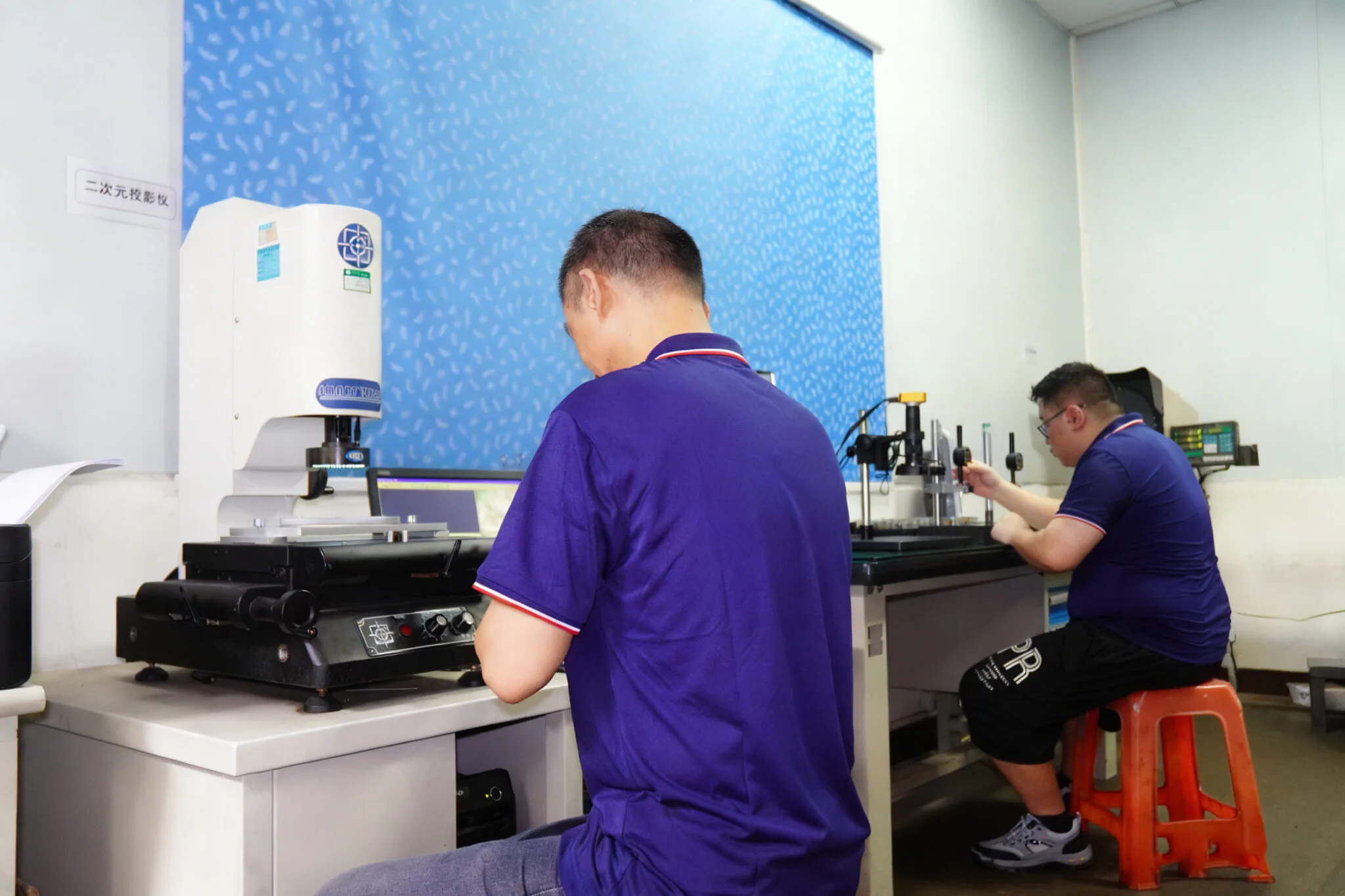
Projector Test

Projector Test

Projector is used to measure hardware dimensions include position, concentricity, straightness, profile, roundness and the size related to the GD&T,such as diameter, radius, length, Angle, width, height, depth, point-to-point distance, point-to-line distance, circle distance, and so on.
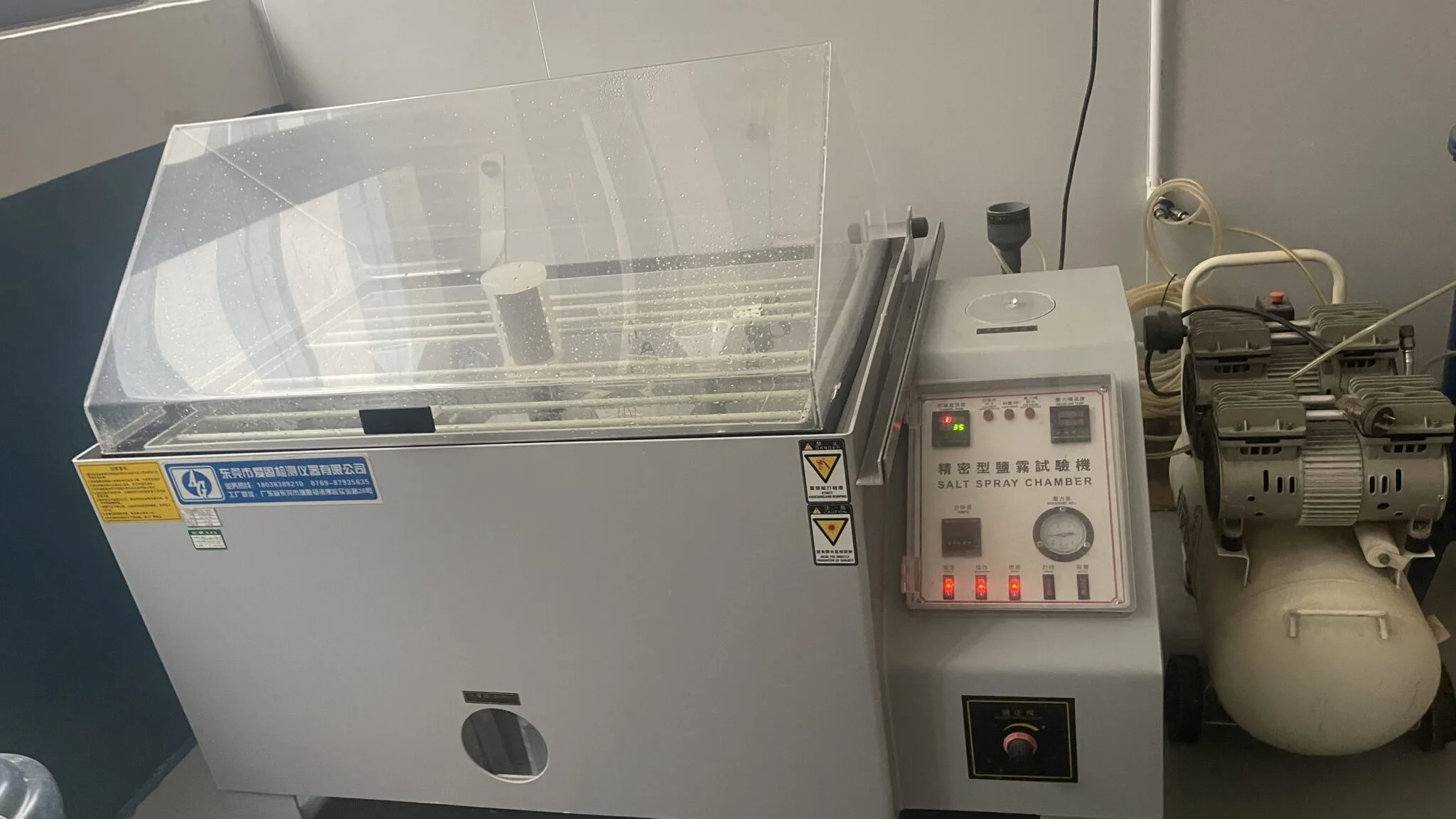
Salt Spray Test

Salt Spray Test

Salt spray test is divided into neutral salt spray test, acetate spray test, copper salt accelerated acetate spray test, alternating salt spray test. Neutral salt spray test is widely used in various industries.By accelerating corrosion of metal protective layer,which makes it lose decorative and reduce the mechanical strength, the purpose is to assess the product or metal material salt spray corrosion resistance quality.

Common Questions About 5-Axis CNC Machining

A: The core difference lies in axis linkage and machining flexibility. 3-axis machining only operates X, Y, Z linear axes with a fixed workpiece angle, prone to machining dead angles and repeated clamping. 5-axis machining adds two rotary axes, enabling multi-angle synchronous linkage and one-clamping forming for complex structures, with higher precision and machining efficiency.

A: It is ideal for high-complexity precision parts that cannot be processed by conventional 3-axis processes, including complex curved surface parts, irregular special-shaped components, deep cavity structural parts, aerospace integral parts, precision mold cores and miniature high-precision structural parts.

A: It eliminates cumulative errors from repeated clamping, improves overall dimensional accuracy and surface finish, optimizes tool cutting posture to reduce tool wear and vibration, shortens processing cycles, and enhances the stability and qualification rate of complex part manufacturing.

A: 5-axis machining has higher equipment and technical thresholds, resulting in a relatively higher unit processing cost. However, it simplifies processing procedures, reduces clamping times and rework rates, and effectively lowers the comprehensive manufacturing cost for high-complexity precision parts.

A: It is widely adopted in high-end precision manufacturing industries, including aerospace, new energy equipment, automotive high-performance parts, medical device components, precision mold manufacturing, intelligent automation equipment and precision electronic hardware.

A: Yes. 5-axis machining adjusts the tool’s cutting angle dynamically to maintain an optimal cutting state, avoiding tool collision and secondary trimming. It effectively reduces surface burrs and tool marks, delivering superior and more uniform surface quality for complex parts.

Follow us

Contact Us

  • 0769-81159903
  • 0769-81159904
  • info@yumeiprecision.com
  • No.2 delong road,changan town, dongguan city,523866, Guangdong Province, China
©2026 Dongguan Yumei Hardware Co.,Ltd- All rights reserved