
Produce complex turned and milled components in a single setup with high precision, reduced lead times, and consistent quality.
+
+
+
%
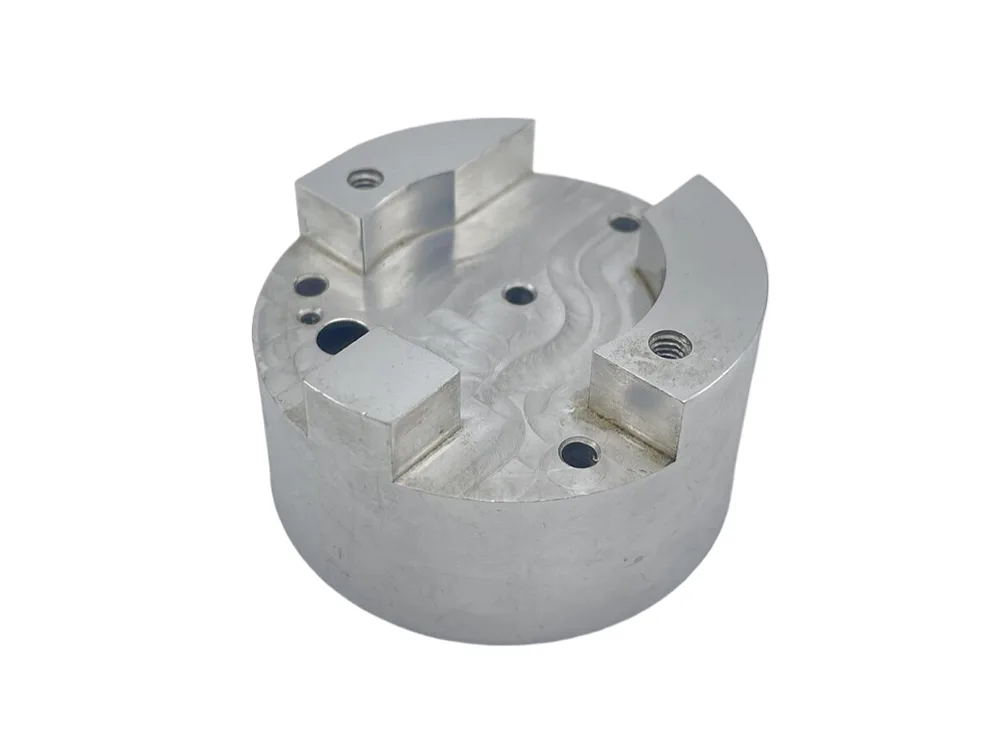
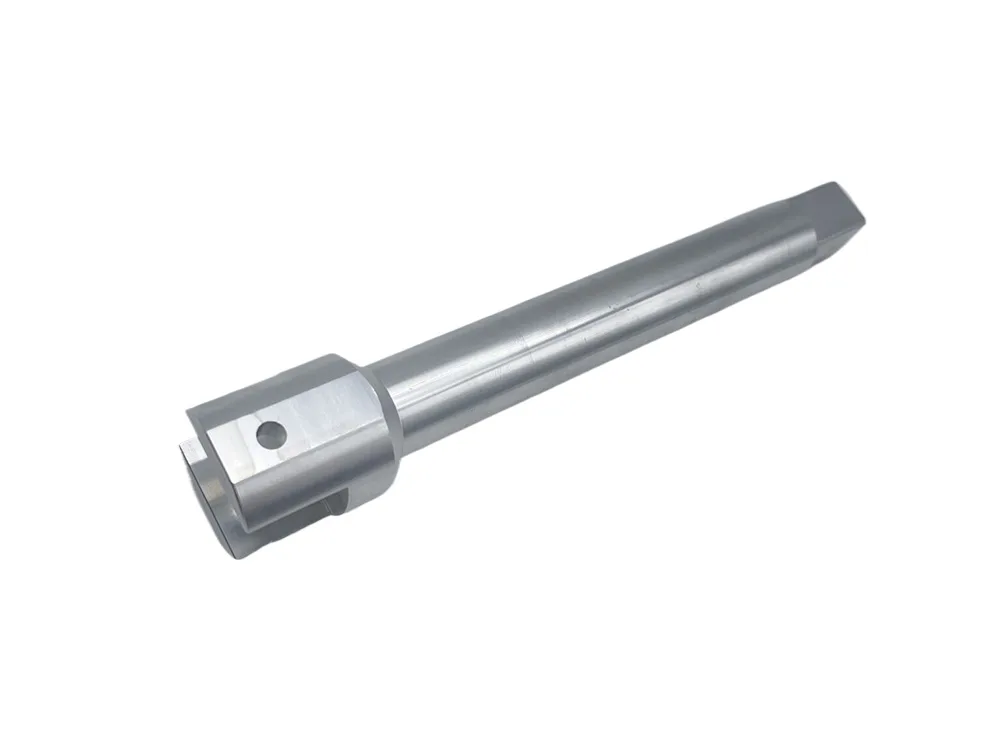
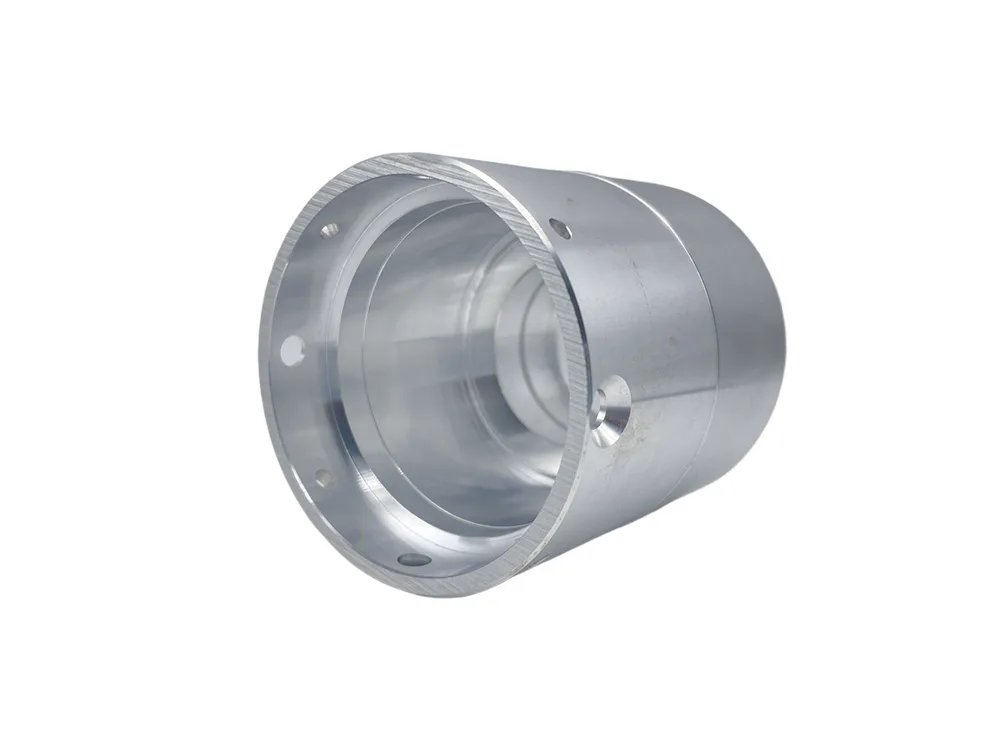
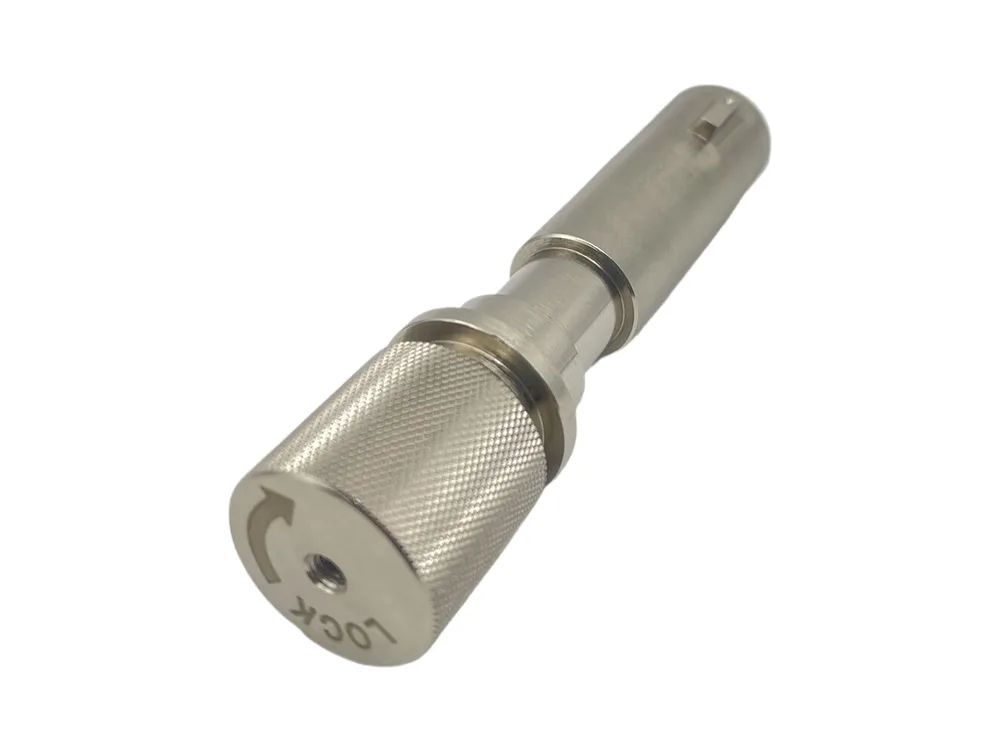
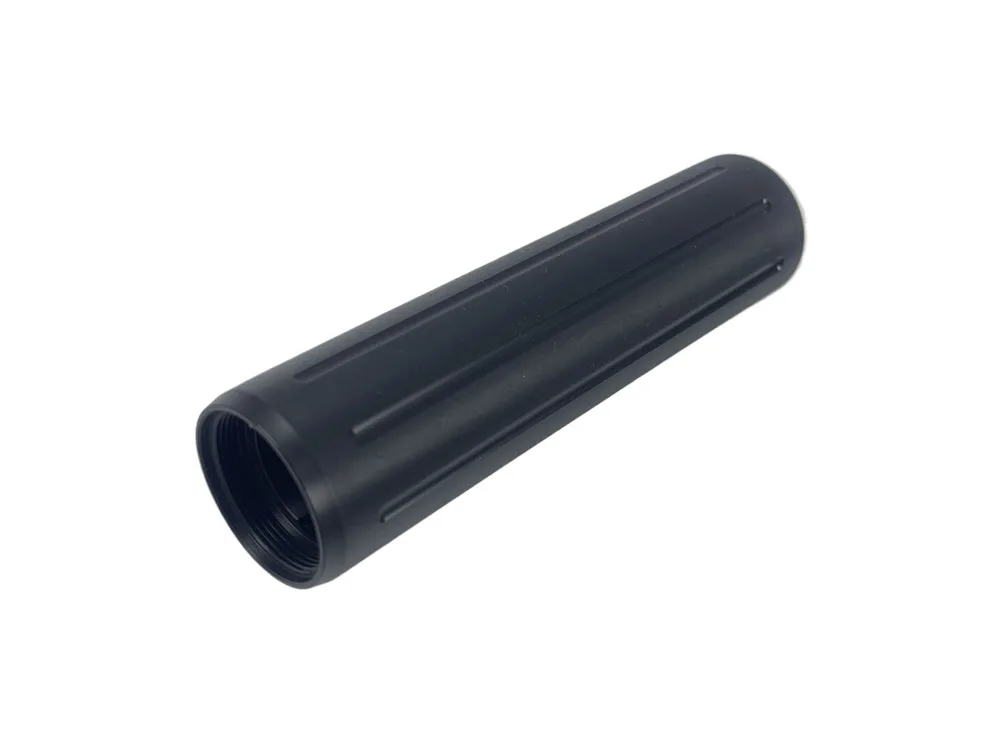
CNC mill-turn machining combines turning and milling operations within a single machine platform. By integrating multiple machining processes into one setup, manufacturers can produce complex parts with higher precision, fewer secondary operations, and shorter production cycles.
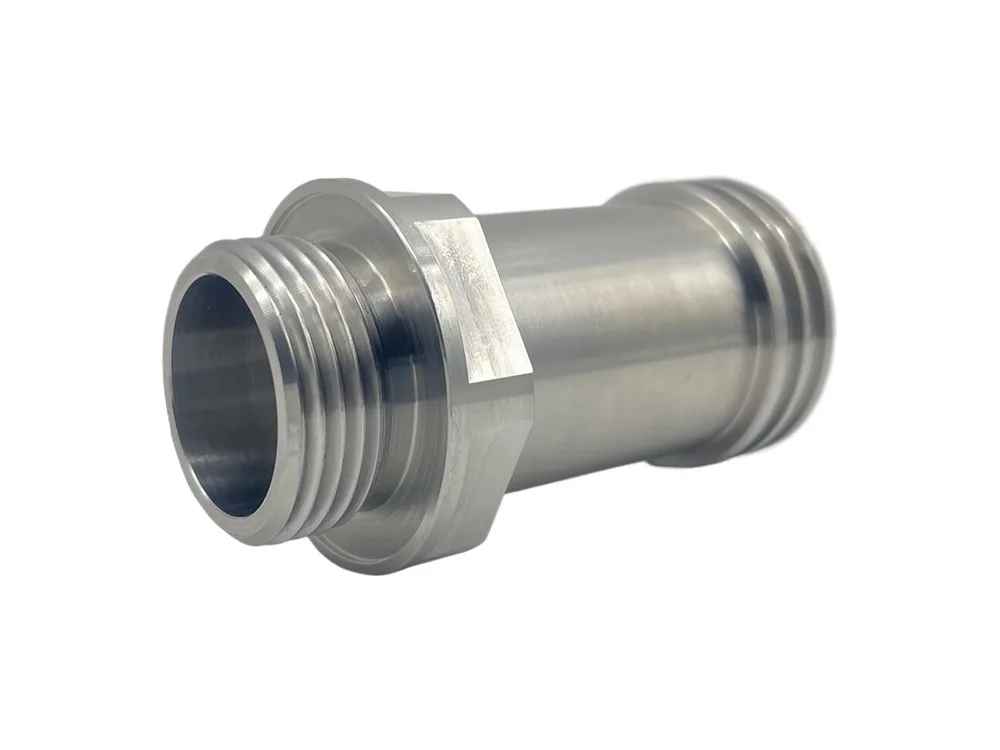
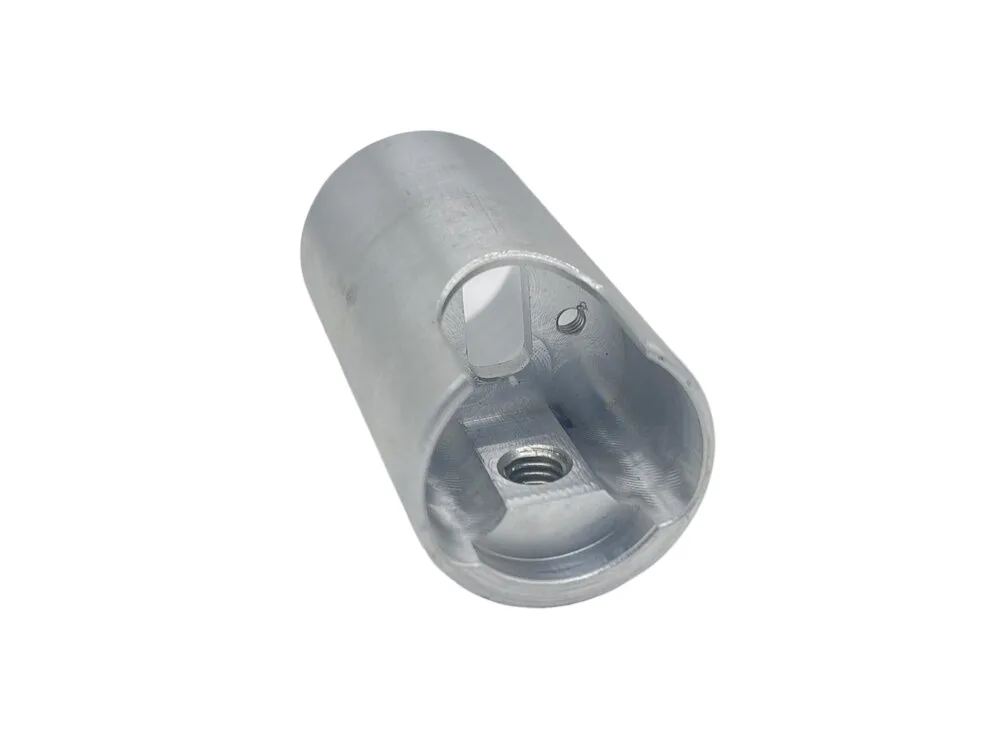
Mill-turn technology is ideal for components that require both rotational features and intricate milled geometries, making it widely used in aerospace, automotive, energy, robotics, and industrial equipment applications.
Unlike conventional machining processes that require separate turning and milling machines, mill-turn technology performs multiple operations in one setup.
This integrated approach significantly reduces handling time and eliminates errors caused by repeated workpiece repositioning.
| Capability | Specification |
|---|---|
| Tolerance | ±0.01 mm |
| Surface Finish | Ra 0.2–0.8 μm |
| Production Volume | Prototype to Medium Volume |
| Materials | Metal & Engineering Plastics |
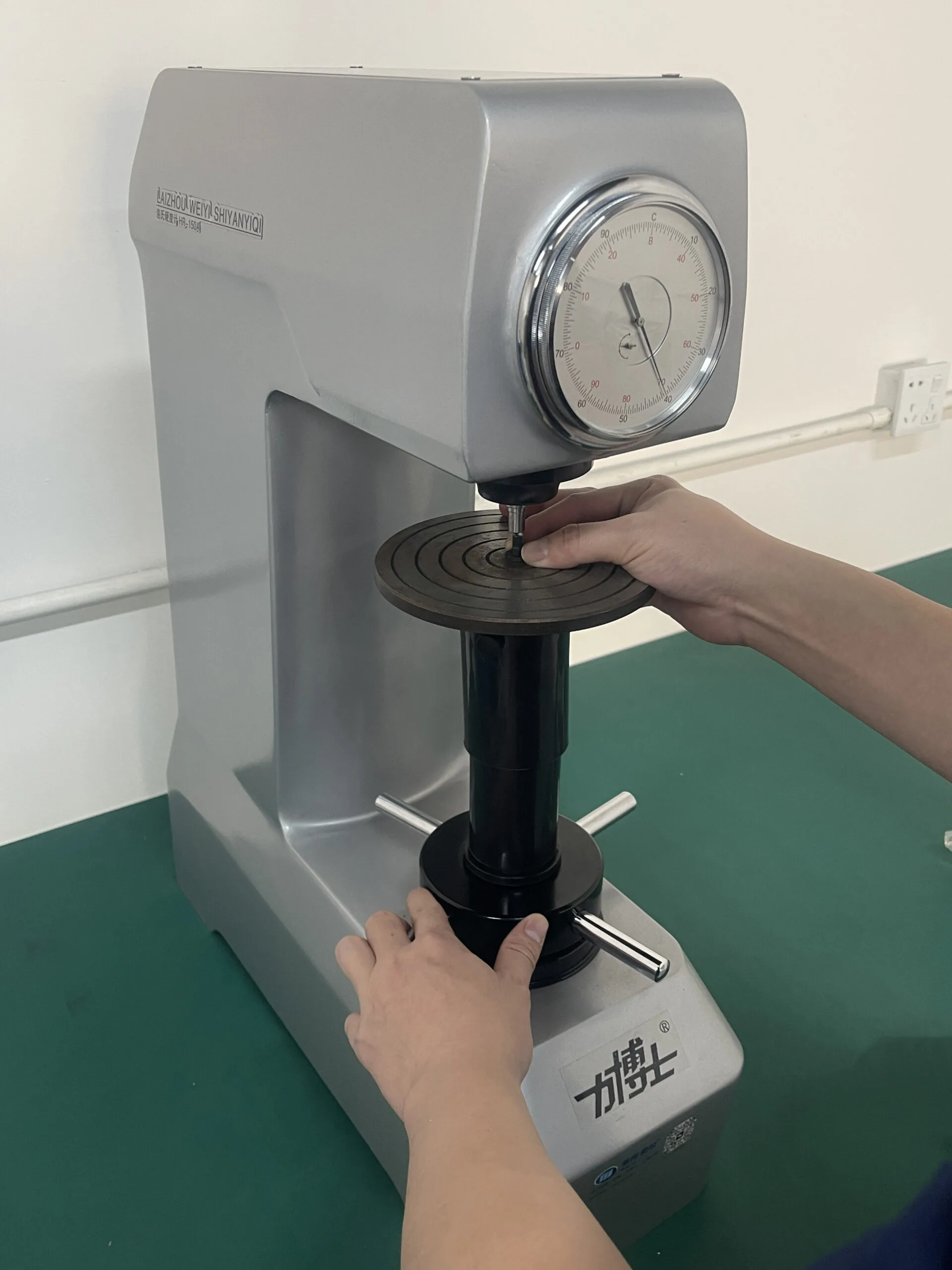
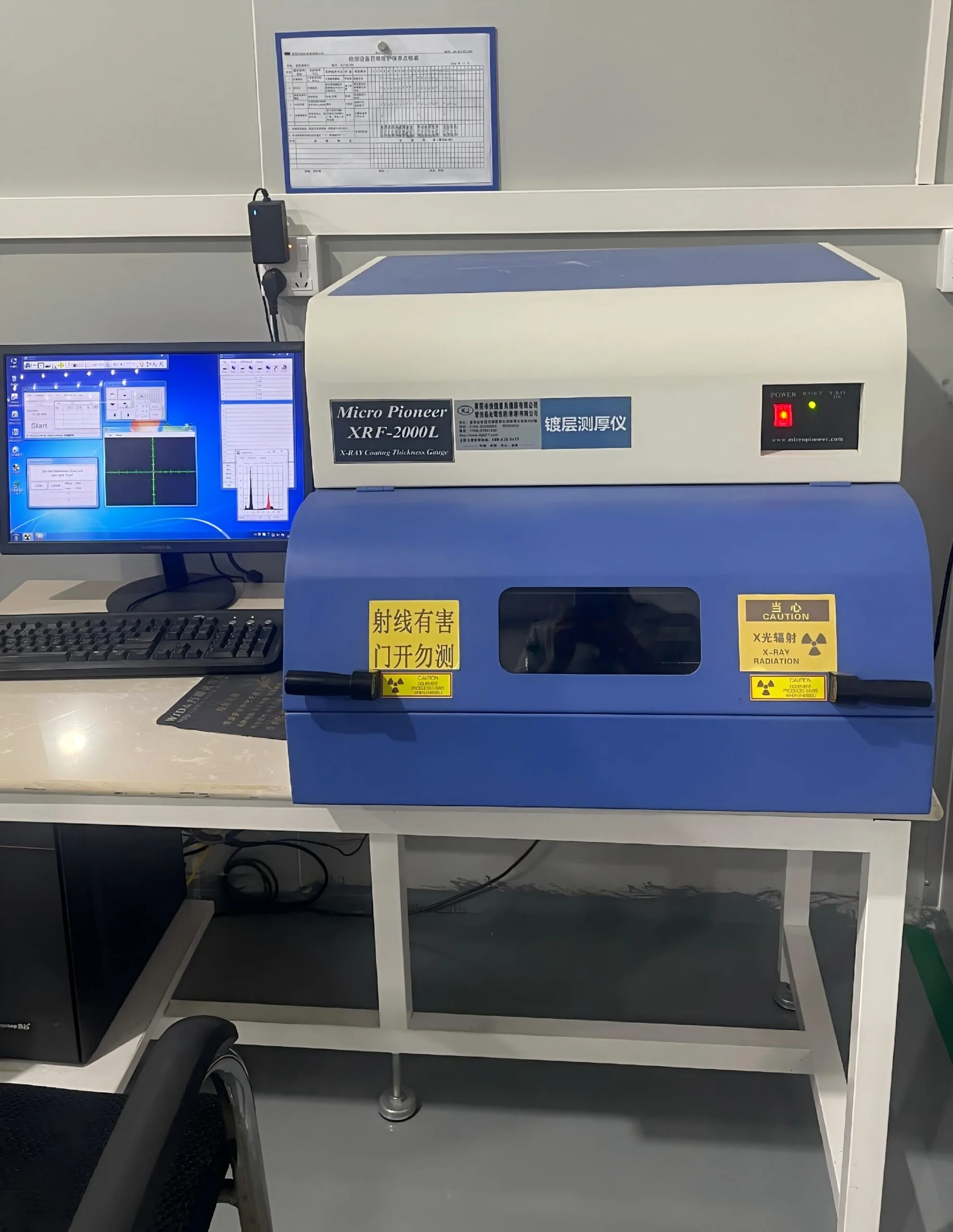
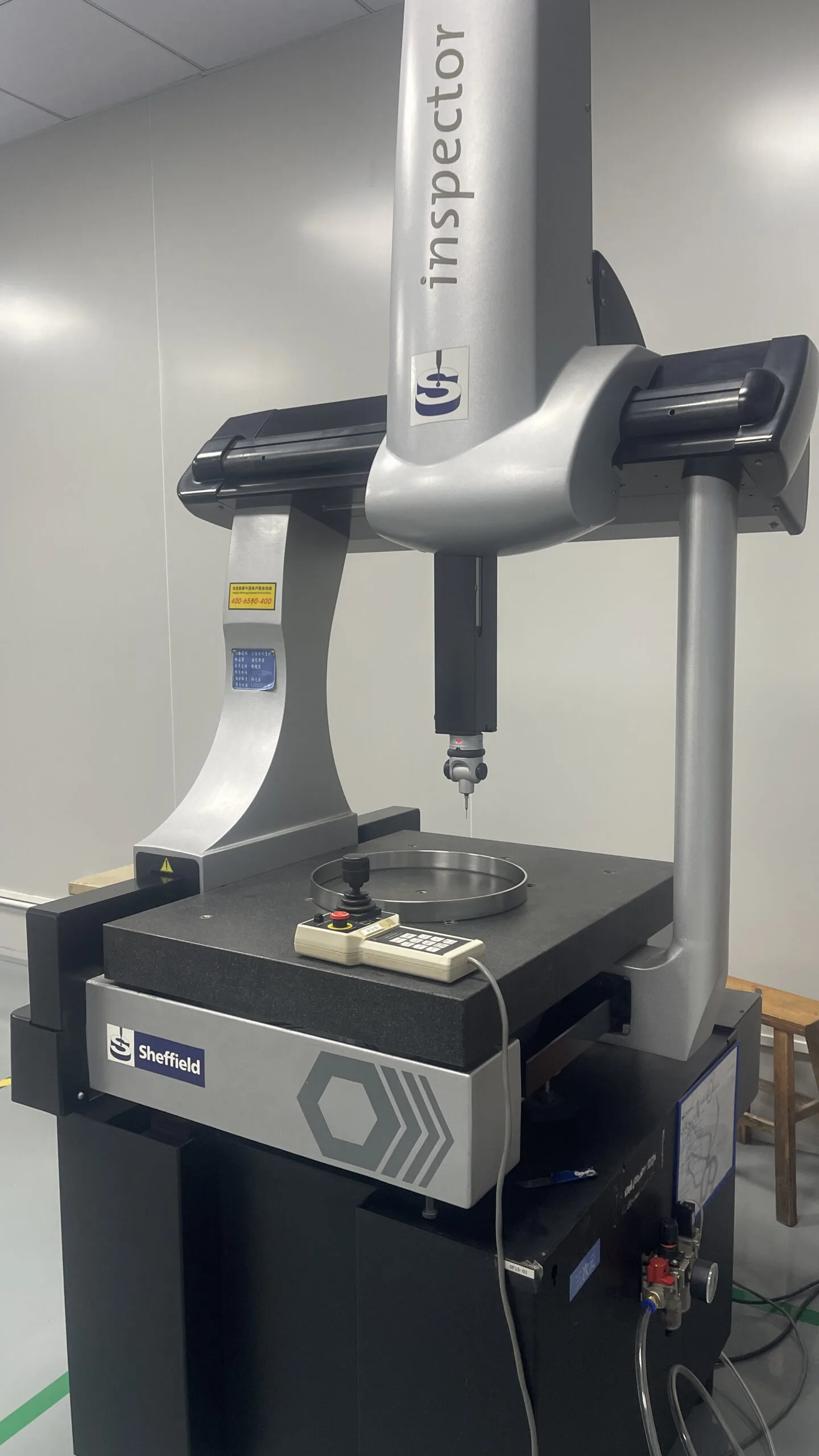
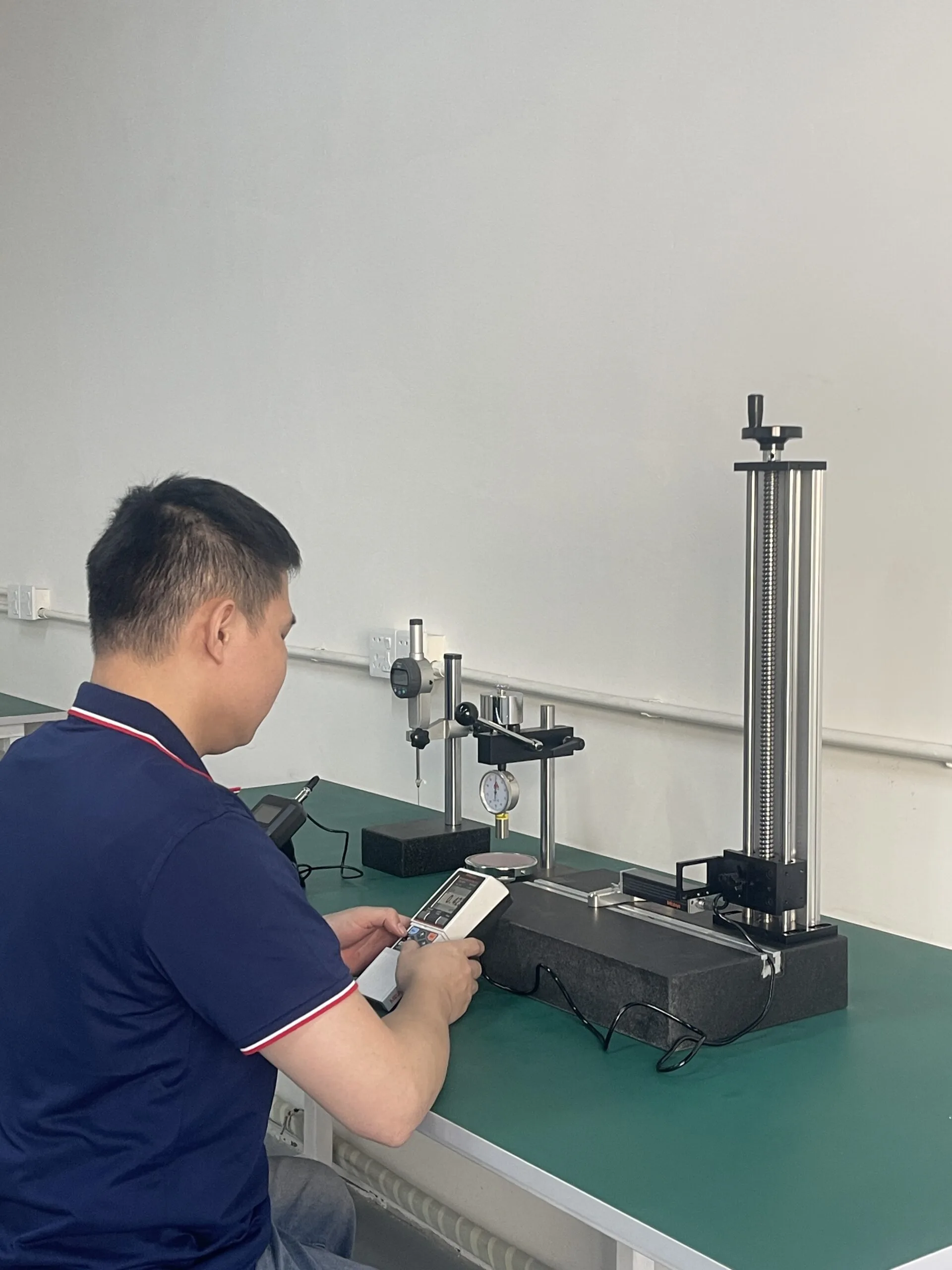
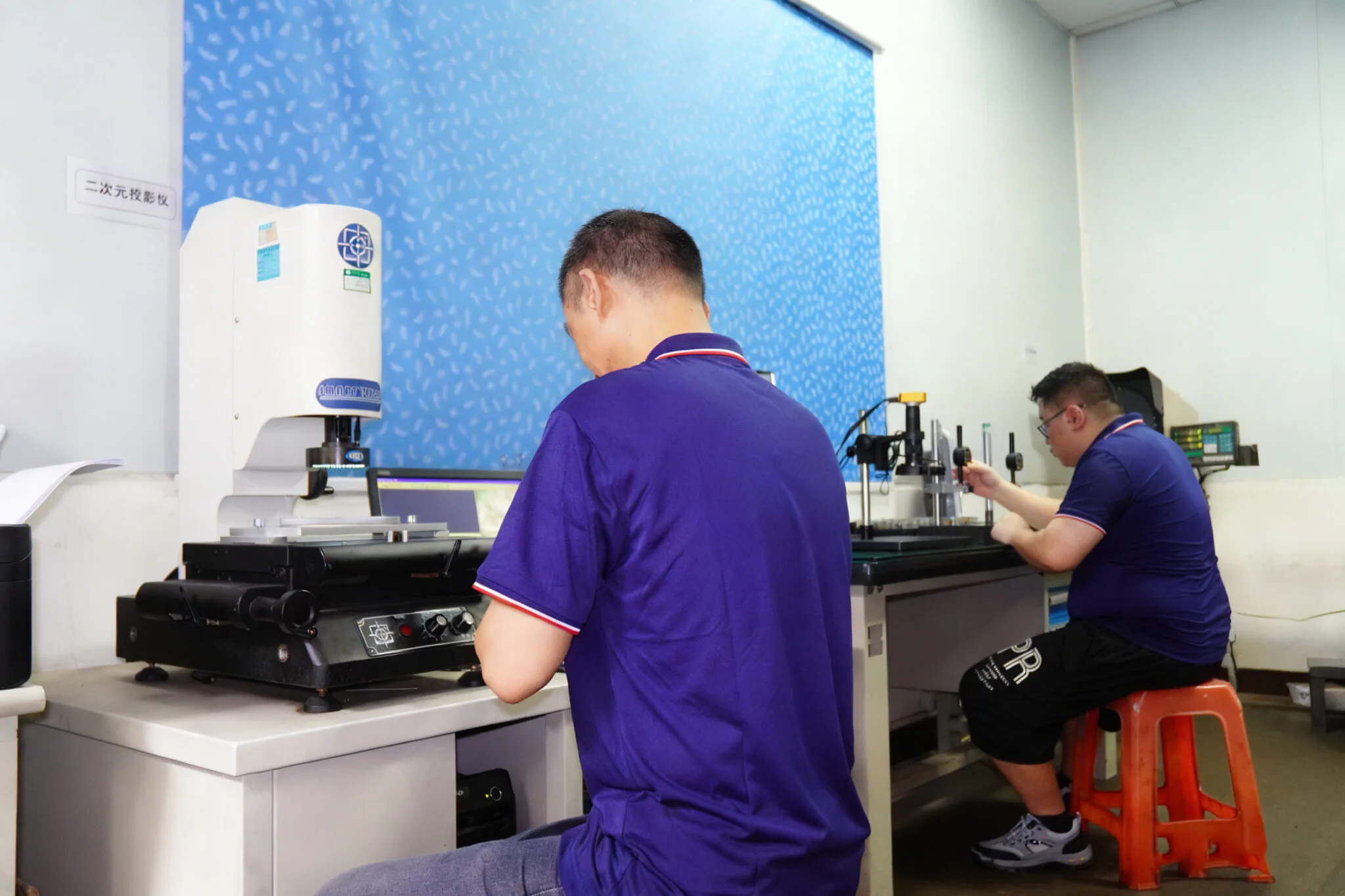
| Inspection Equipment | CMM, Projector, Roughness Tester |
| Material | Key Characteristics | Typical Applications |
|---|---|---|
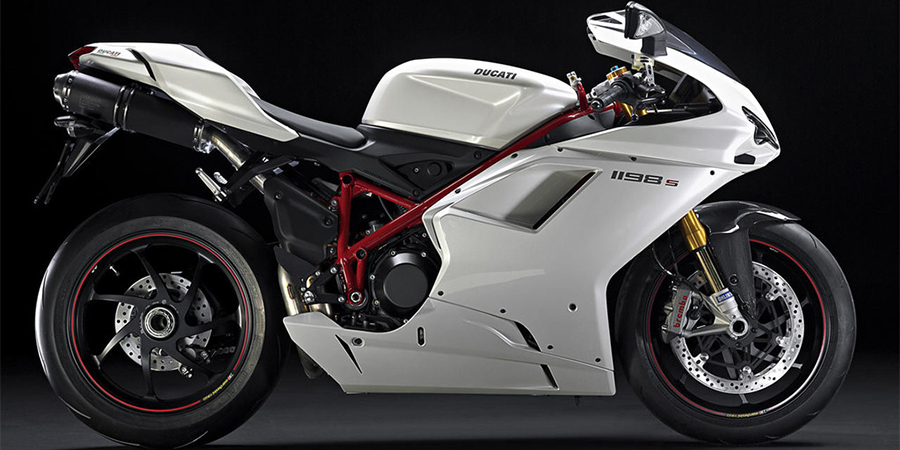
| Aluminum | Lightweight, excellent machinability, corrosion resistant, high strength-to-weight ratio | Aerospace components, robotics parts, motorcycle accessories, electronic housings, new energy components |
| Stainless Steel | High strength, corrosion resistance, durability, excellent wear resistance | Valve components, shafts, connectors, sensor housings, industrial equipment parts |
| Carbon Steel | Cost-effective, good machinability, high mechanical strength | Mechanical components, transmission parts, industrial machinery, brackets, shafts |
| Alloy Steel | Enhanced hardness, fatigue resistance, superior mechanical properties | Precision shafts, gears, drive system components, heavy-duty industrial equipment |
| Titanium | Exceptional strength-to-weight ratio, corrosion resistance, heat resistance | Aerospace fittings, high-performance motorcycle parts, medical-grade equipment, energy systems |
| Brass | Excellent machinability, electrical conductivity, corrosion resistance | Electrical connectors, fittings, terminals, precision threaded components |
| Copper | Outstanding electrical and thermal conductivity | Power transmission components, electrical contacts, conductive terminals, heat management systems |
| Engineering Plastics | Lightweight, wear resistant, electrically insulating, corrosion resistant | Bushings, guides, insulation components, sensor parts, lightweight mechanical assemblies |




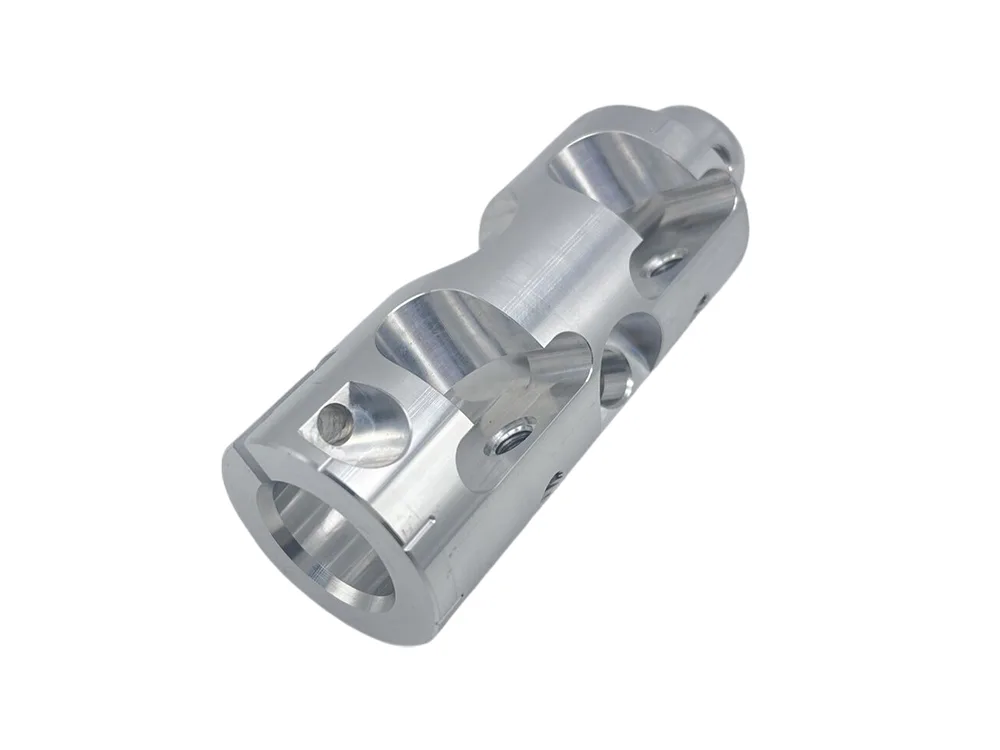

A: Mill-turn machining reduces multiple setups, improves dimensional consistency, shortens production cycles, and lowers manufacturing costs by combining several operations into one process.
A: Mill-turn machining is ideal for parts that require both rotational and milled features, such as shafts, connector pins, valve components, sensor housings, fittings, and complex mechanical parts.
A: We machine a wide range of materials, including aluminum, stainless steel, carbon steel, alloy steel, titanium, brass, copper, and engineering plastics such as POM, Nylon, PTFE, and PEEK.
A: Yes. Mill-turn machining is highly efficient for prototype development, low-volume manufacturing, and medium-volume production because it minimizes setup time and secondary operations.
A: Depending on material and geometry, surface finishes can typically achieve Ra 0.8–3.2 μm. Additional finishing processes such as anodizing, plating, polishing, sandblasting, and powder coating are also available.
A: Mill-turn machining is widely used in aerospace, automotive, new energy, robotics, motorcycles, electronics, and industrial equipment manufacturing.
