
Custom CNC turning services for aluminum, stainless steel, titanium, copper, brass, and engineering plastics, delivering high accuracy, tight tolerances, and fast turnaround.
+
+
+
%
CNC turning is a precision machining process where a cutting tool removes material from a rotating workpiece to create cylindrical or round-shaped parts. It is widely used for producing shafts, pins, bushings, connectors, and other symmetrical components.
Compared with manual turning, CNC turning ensures higher consistency, tighter dimensional control, and faster production efficiency, making it ideal for both prototypes and batch production.
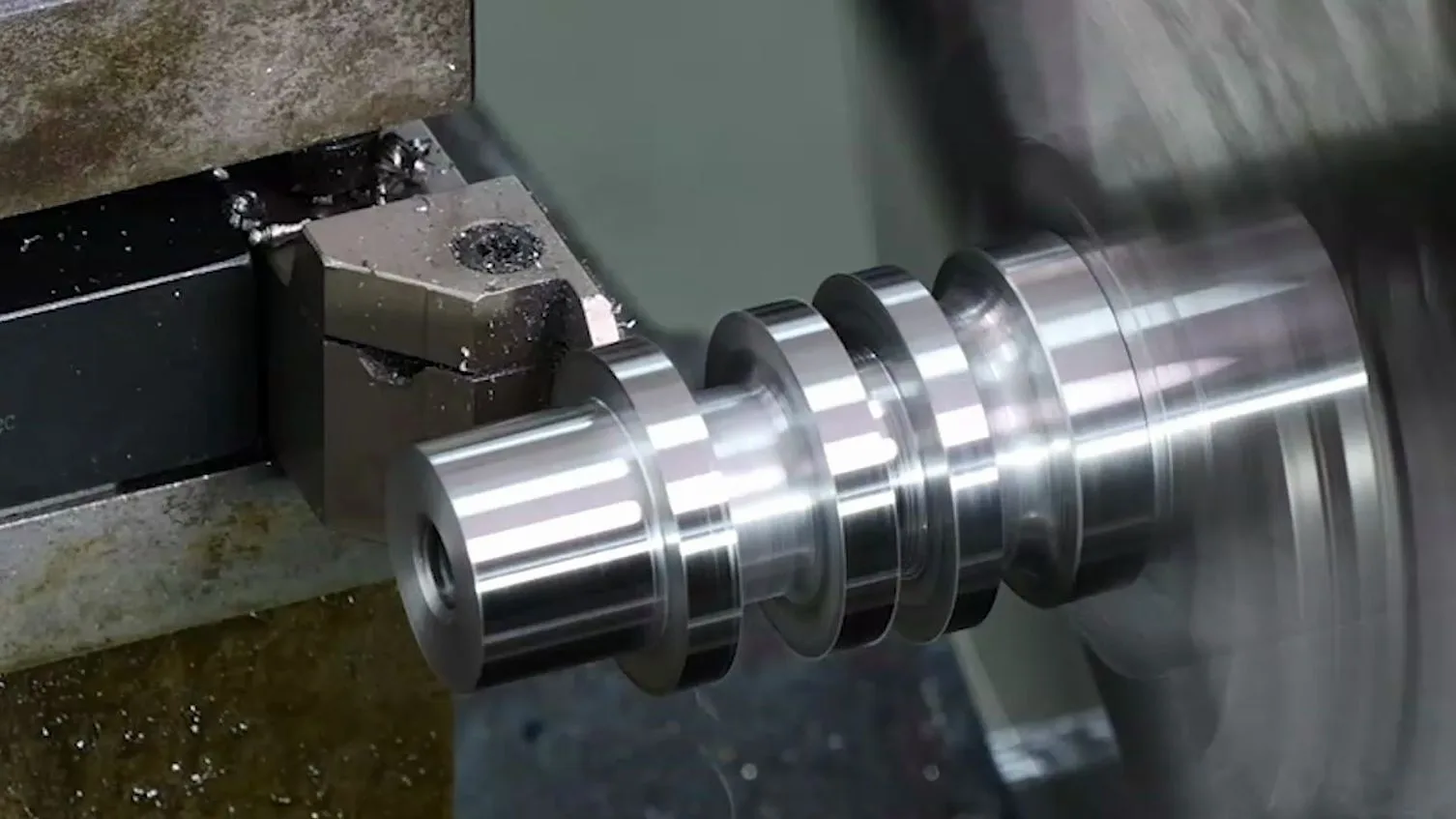
We provide a comprehensive range of CNC turning operations to meet different design and functional requirements.
These operations can be combined to produce complex precision components while maintaining tight tolerances and repeatable quality.
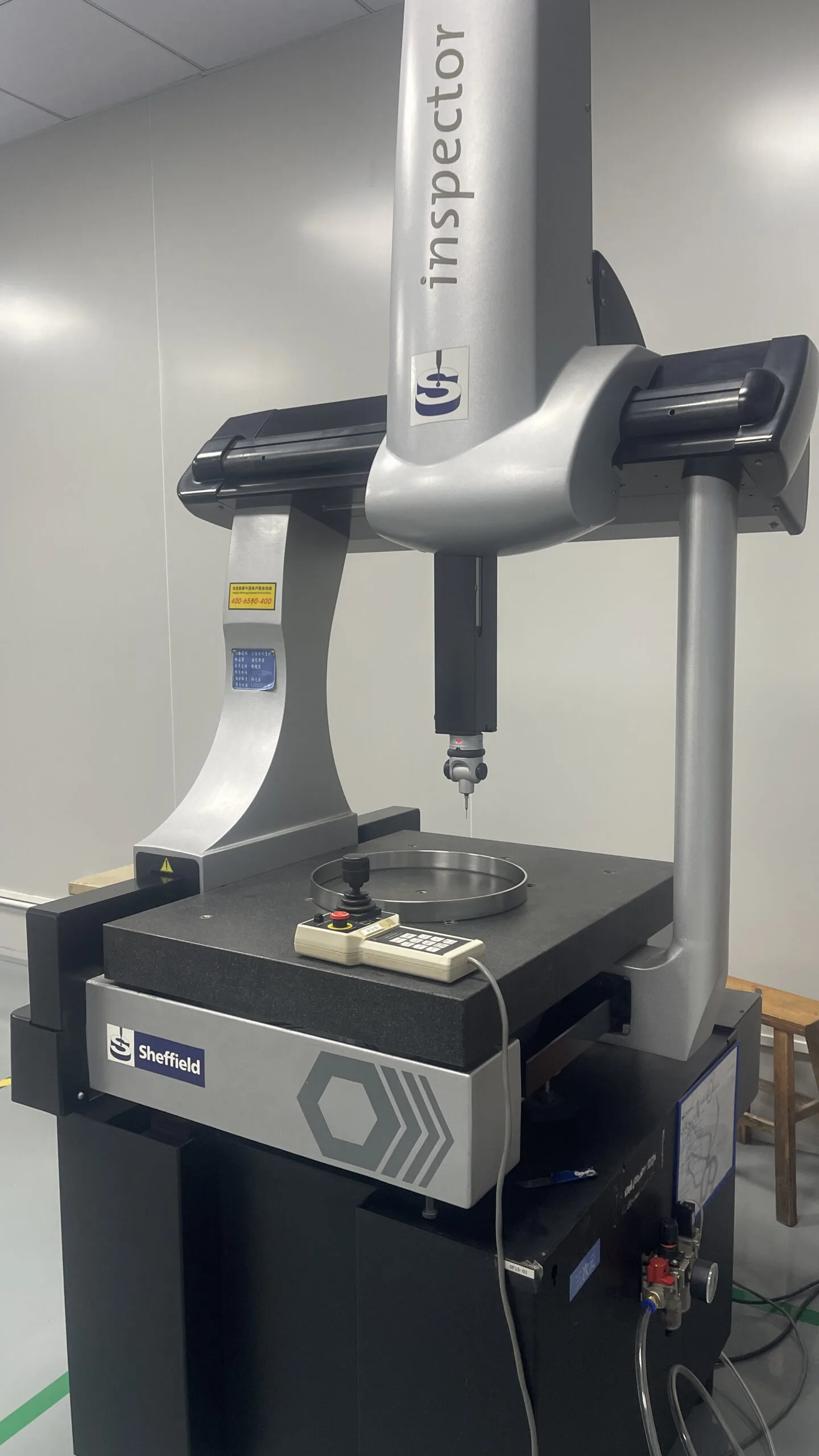
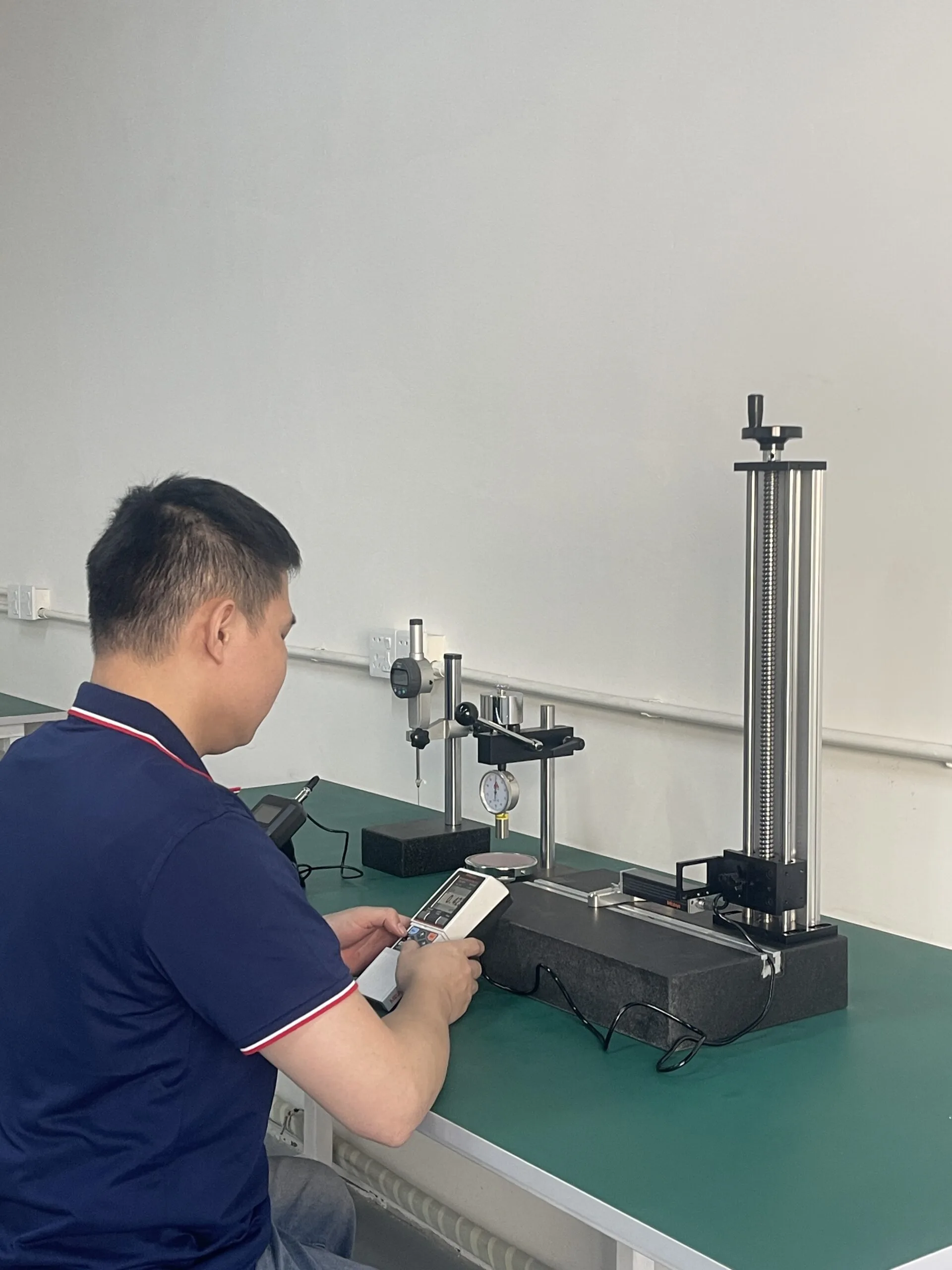
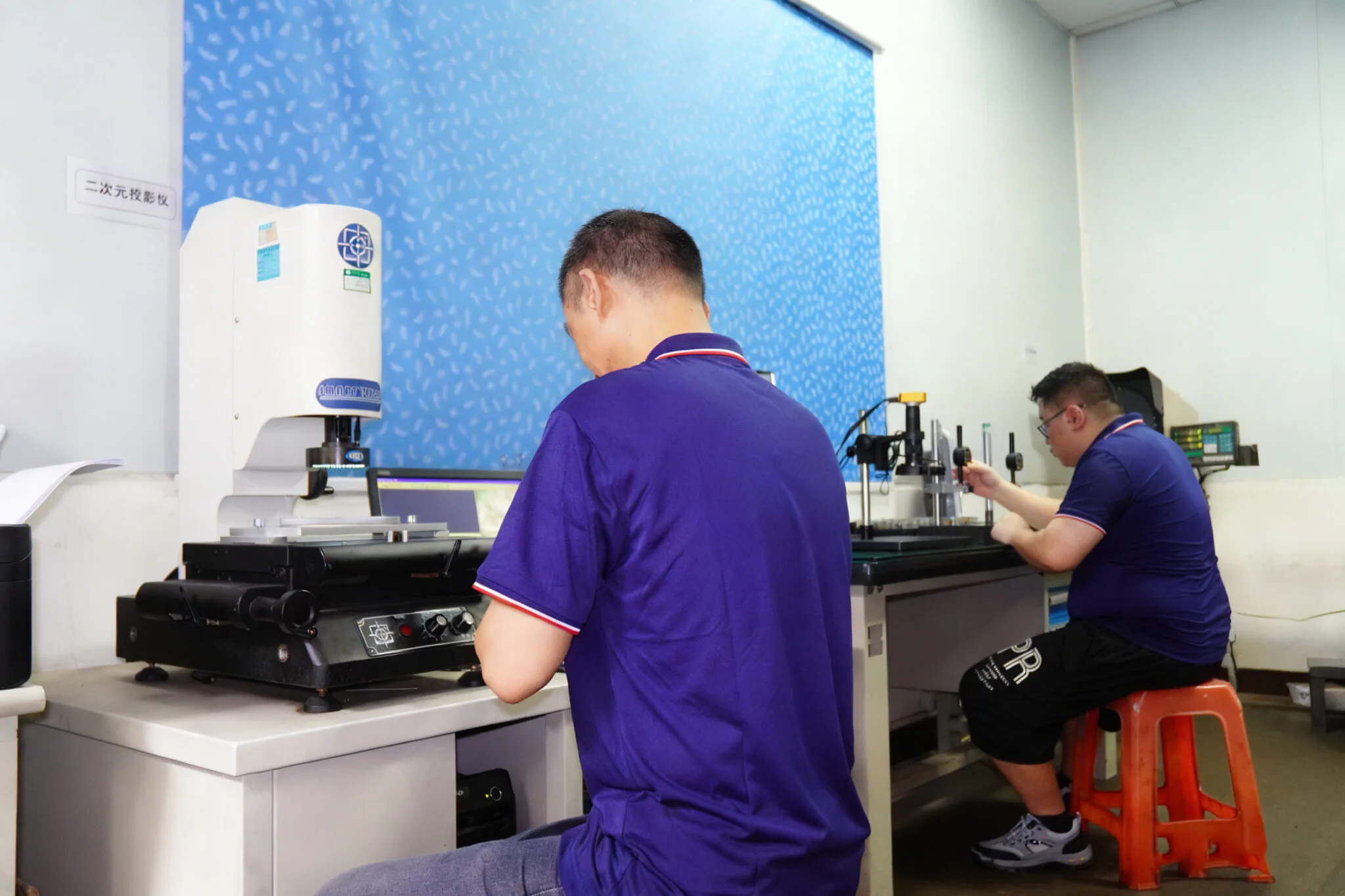
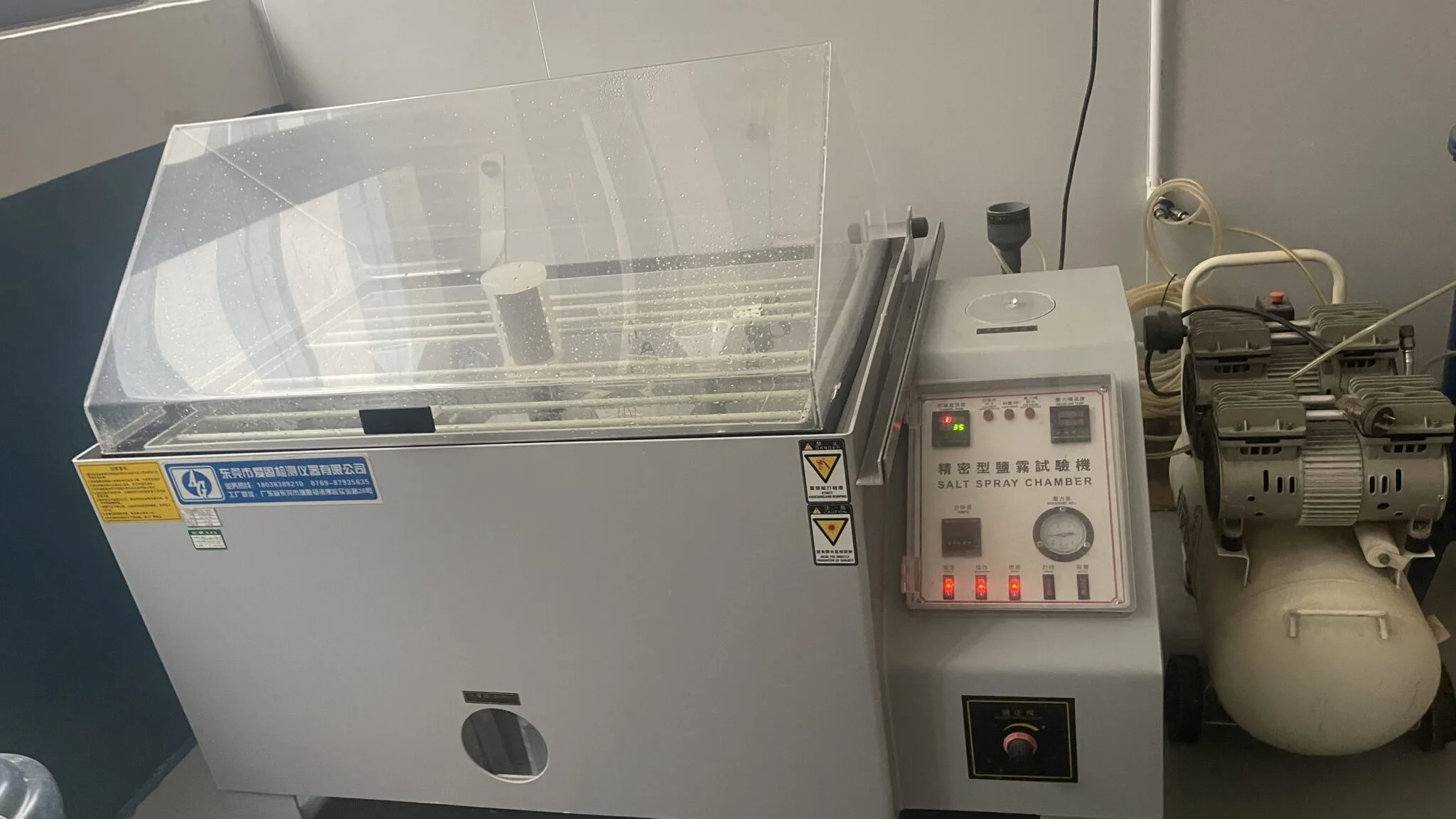
Precision is critical for functional mechanical components. Our CNC turning process is optimized to achieve consistent dimensional accuracy across every production batch.
| Item | Capability |
|---|---|
| Max Turning Diameter | 200mm |
| Max Turning Length | 400mm |
| Tolerance | ±0.01–0.02mm |
| Surface Finish | Ra 0.8–3.2 μm |
| Production Type | Prototype / Low-volume / Batch |
| Lead Time | 3–10 days |
Whether producing precision shafts, bushings, connector pins, or threaded components, we focus on maintaining stable machining accuracy throughout the manufacturing process.
| Material | Key Properties | Typical Applications |
|---|---|---|
| Aluminum (6061 / 7075) | Lightweight, corrosion-resistant, easy to machine | Aerospace parts, automotive components |
| Stainless Steel (304 / 316) | High strength, corrosion resistance | Industrial equipment, medical components |
| Titanium | High strength-to-weight ratio, heat resistant | Aerospace, high-performance engineering |
| Copper | Excellent electrical and thermal conductivity | Electrical connectors, busbars, terminals |
| Brass | Good machinability, corrosion resistant, conductive | Electrical fittings, precision connectors |
| Engineering Plastics (POM, PTFE, Nylon) | Low friction, chemical resistance, insulation | Mechanical bushings, insulation parts |



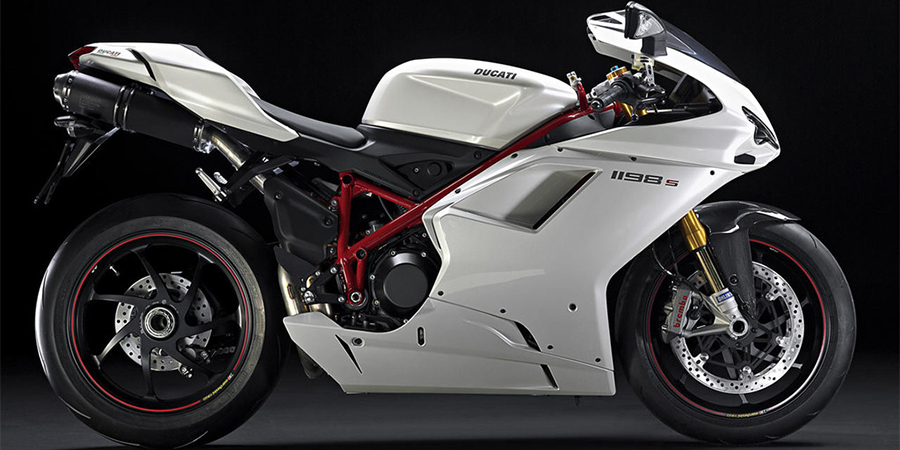

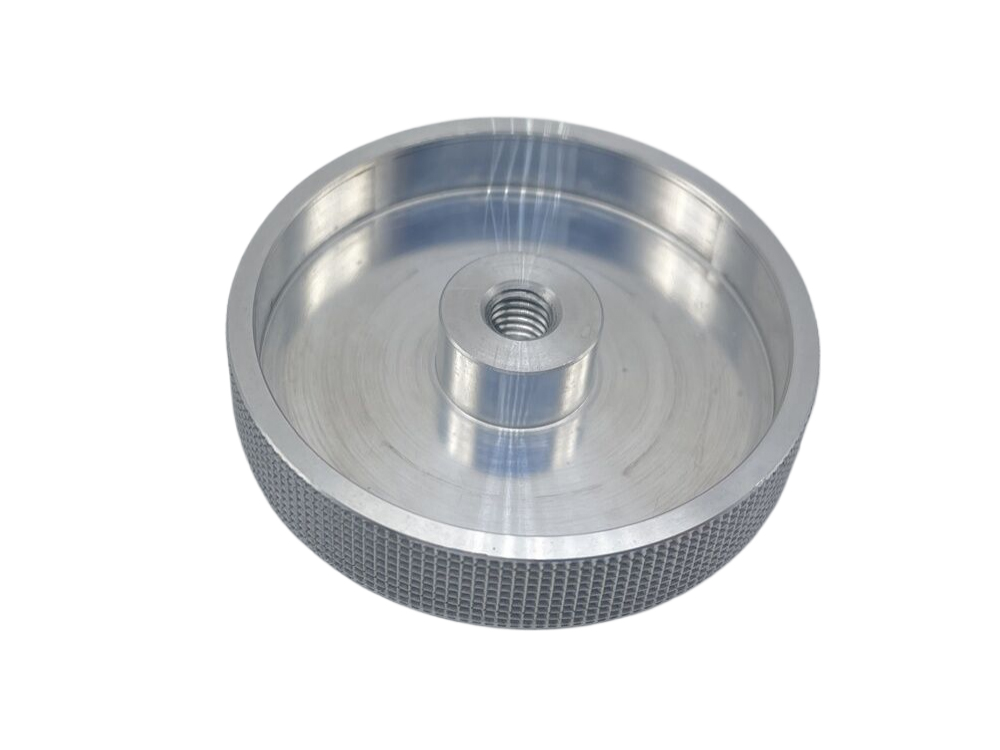
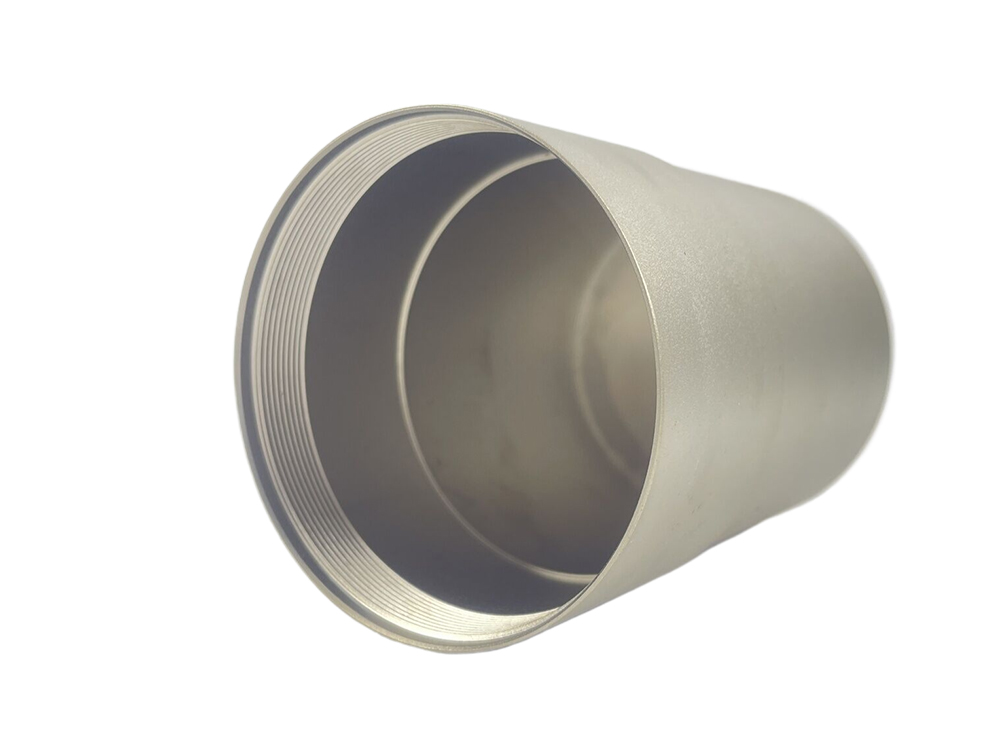
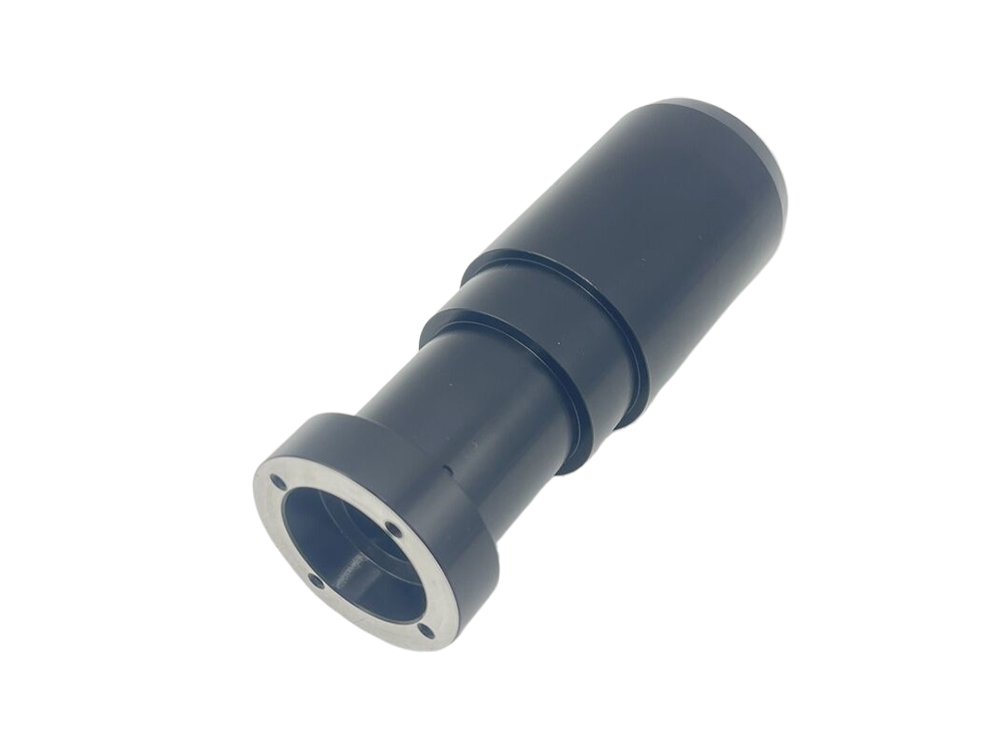
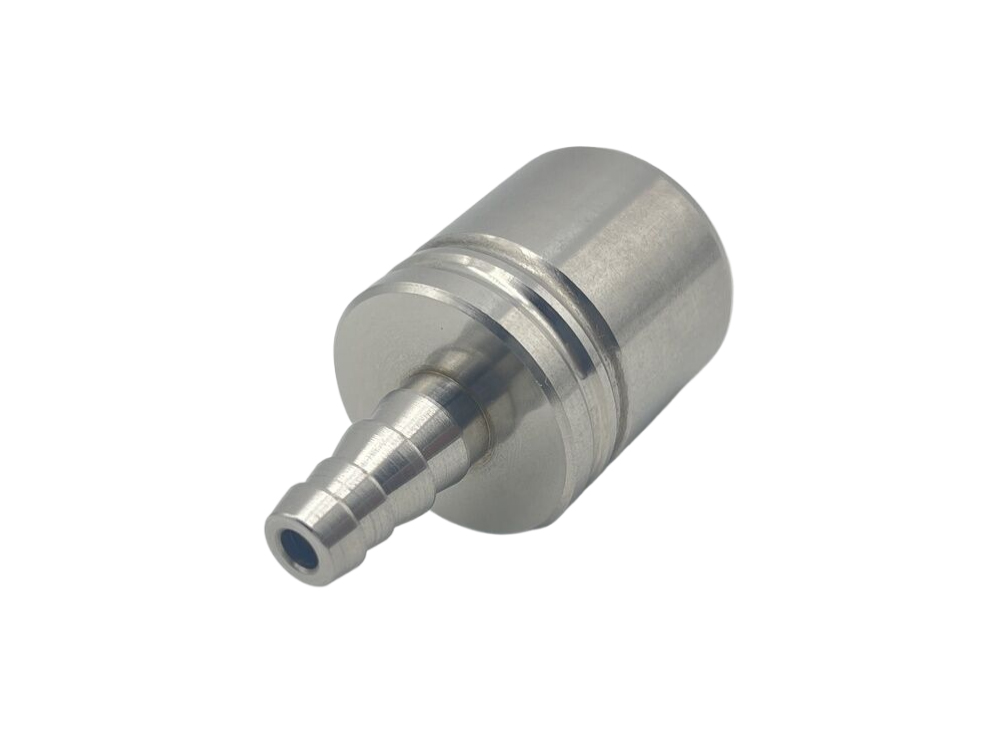
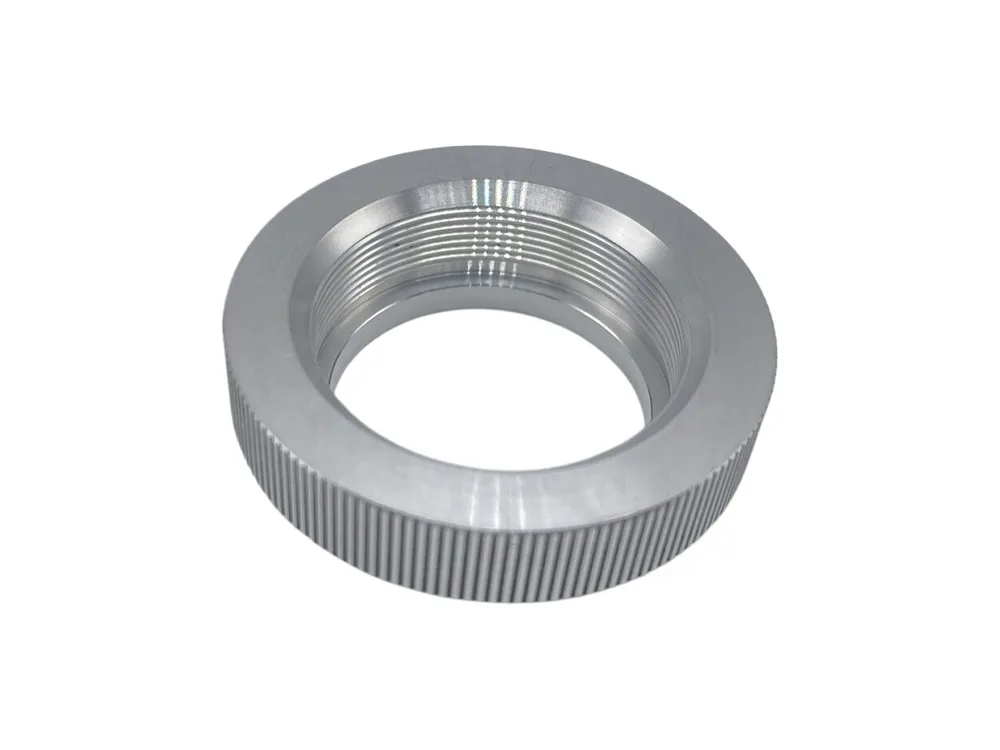
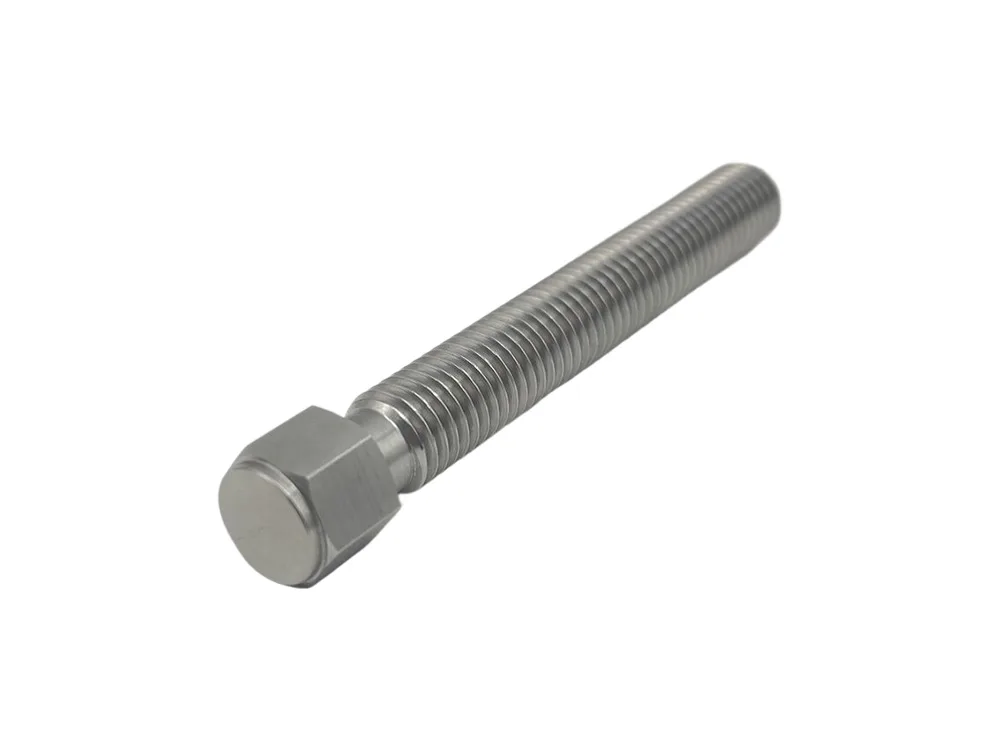
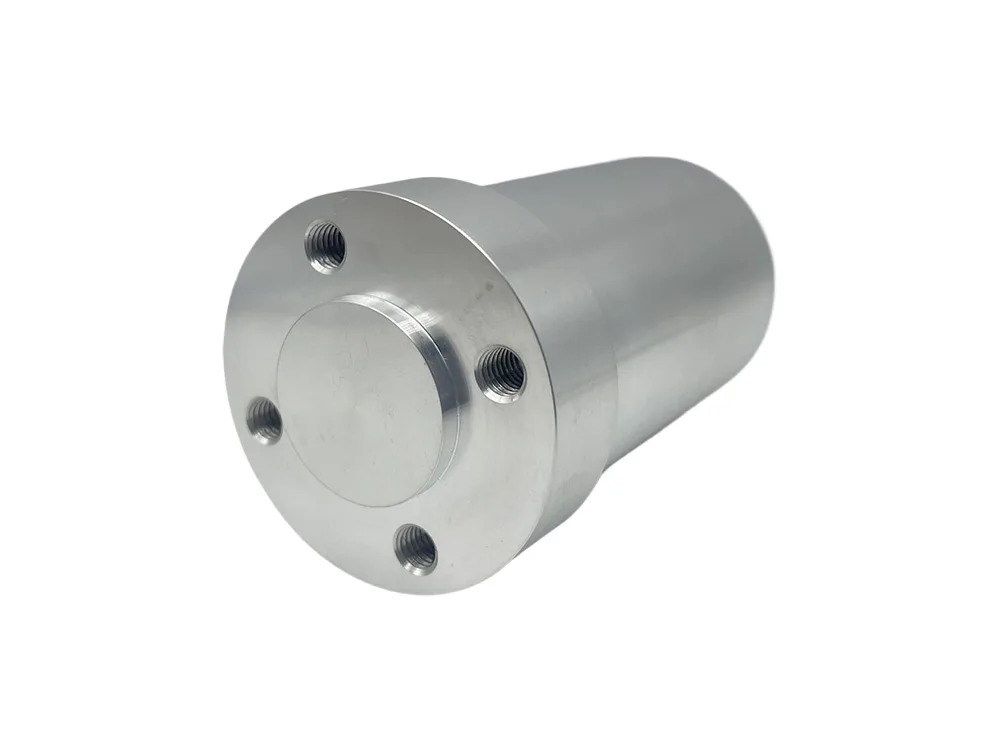
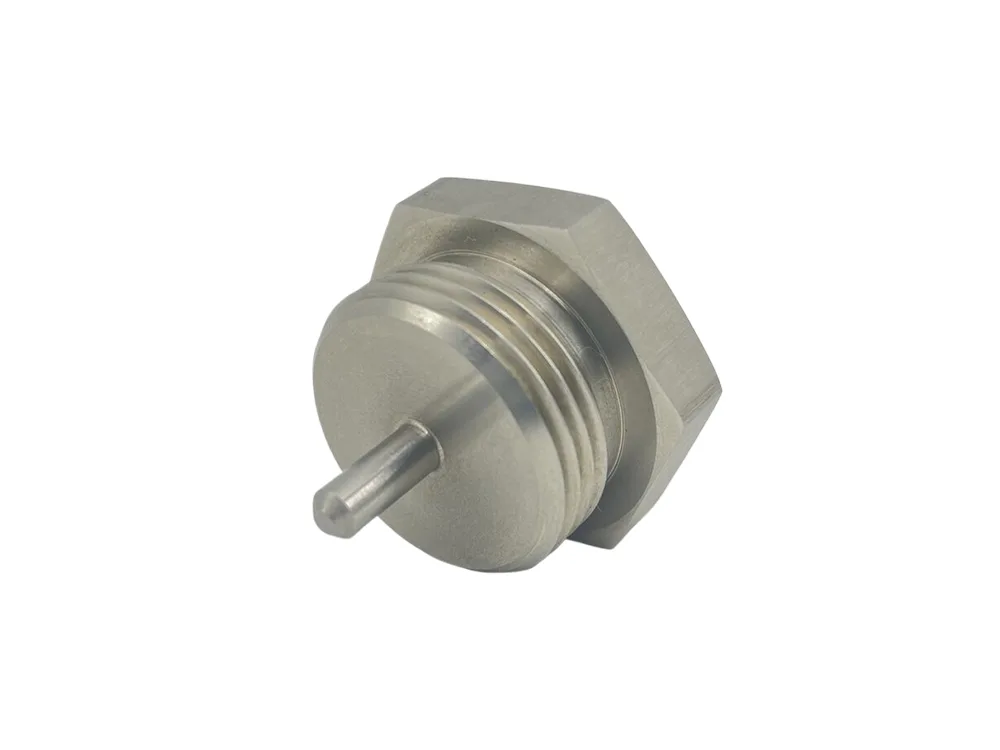

A: CNC turning is used to manufacture cylindrical precision parts such as shafts, bushings, connectors, and threaded components.
A: CNC turning rotates the workpiece while the cutting tool remains stationary. It is best suited for cylindrical and rotational parts. CNC milling uses rotating cutting tools to machine complex flat or three-dimensional geometries.
A: We machine a wide range of materials, including aluminum, stainless steel, titanium, brass, copper, carbon steel, POM, PTFE, nylon, and other engineering plastics.
A: Standard machining tolerances are typically ±0.02 mm, while critical features can be machined to tighter tolerances depending on part geometry, material, and application requirements.
A: Depending on the material and application, CNC turned parts can be supplied with as-machined finishes or additional treatments such as anodizing, plating, polishing, sandblasting, and powder coating.
A: Yes. We specialize in prototype machining and low-volume production, helping customers validate designs, reduce development time, and accelerate product launches.
