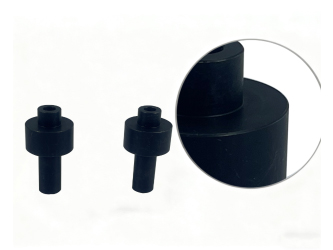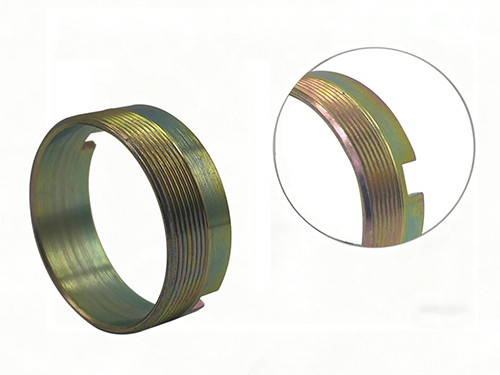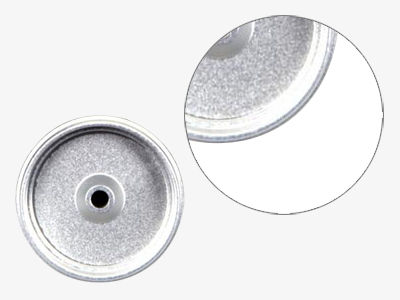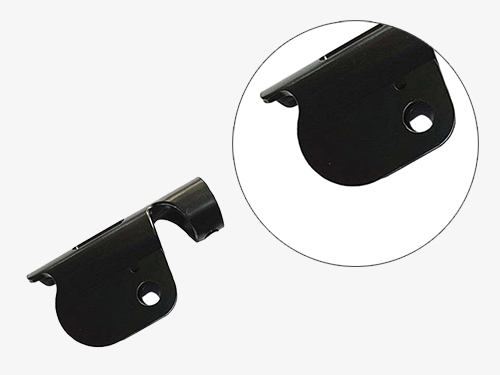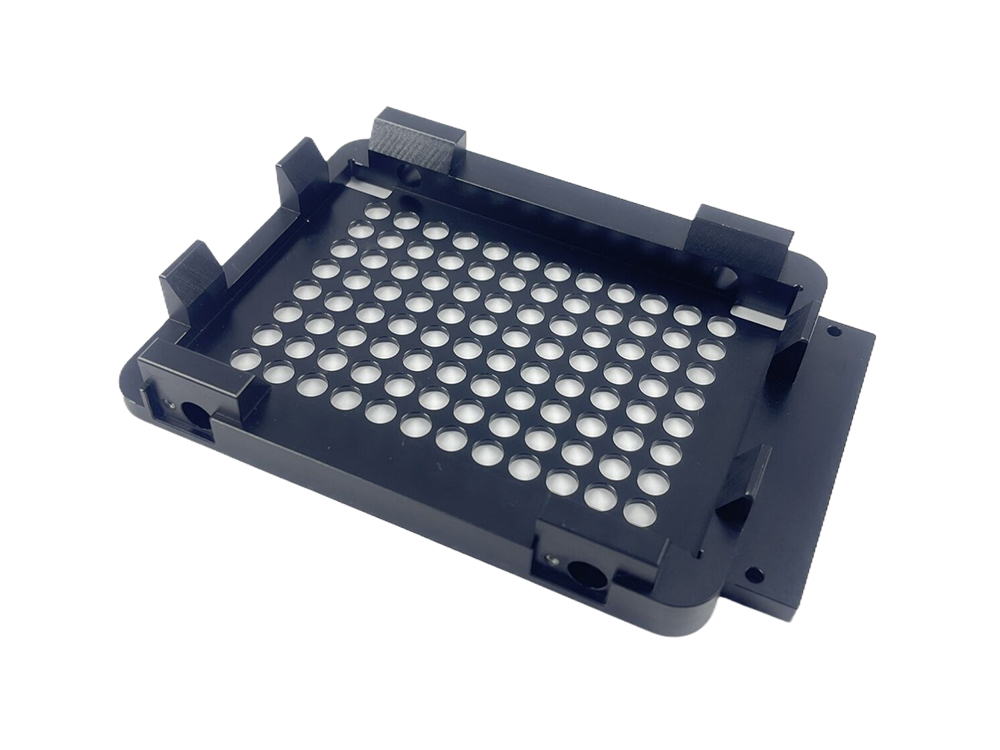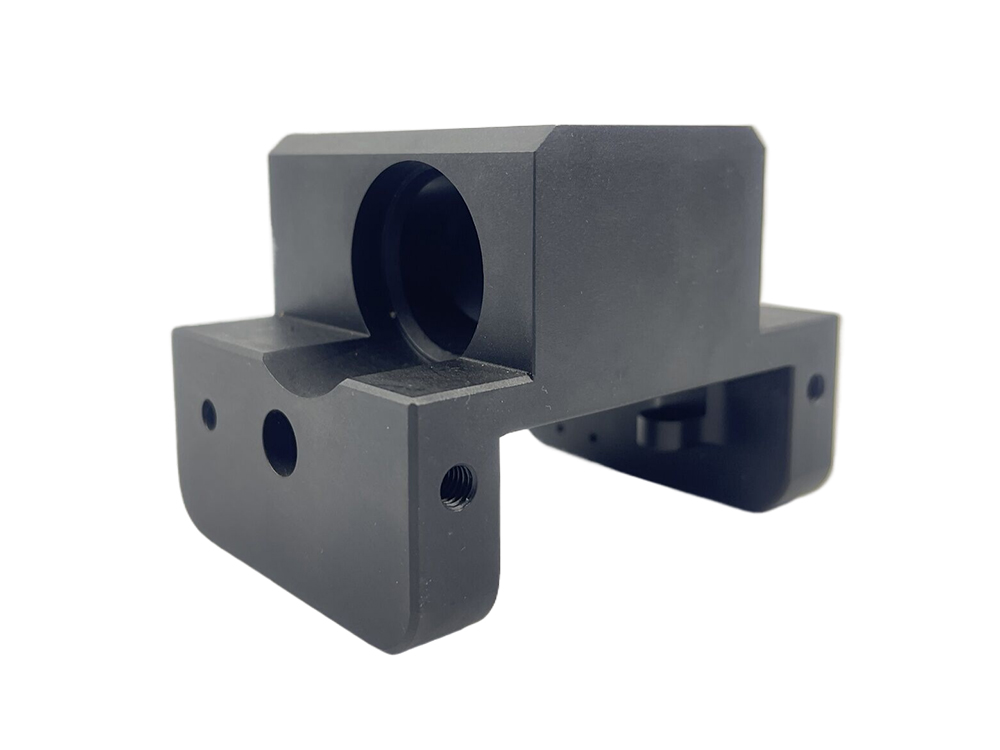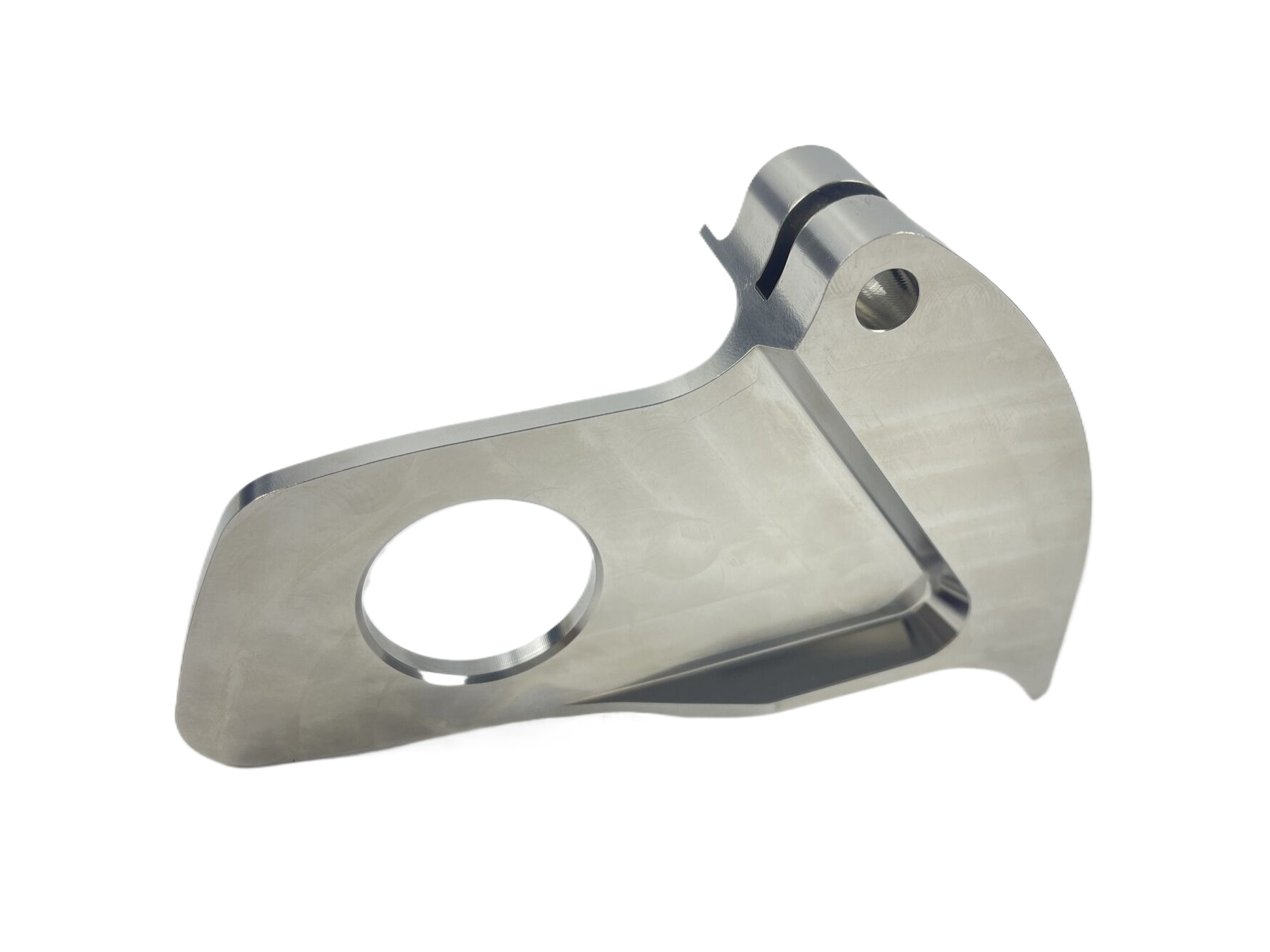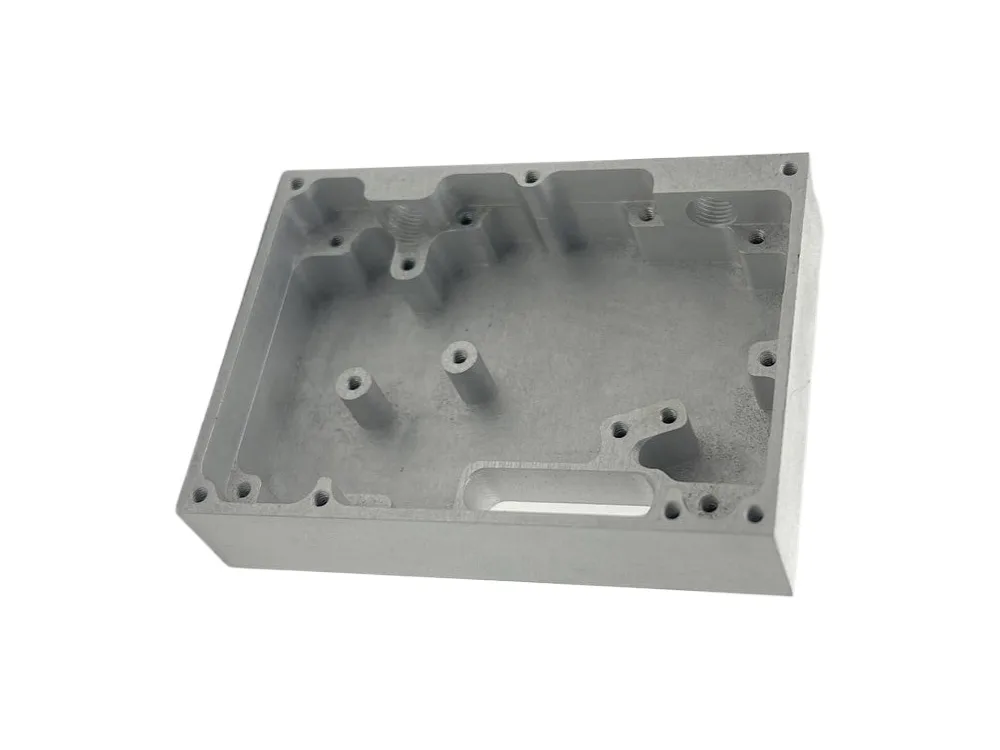
CNC Milling Machining Services

From rapid prototypes to full-scale production, we manufacture high-precision CNC milled parts in aluminum, steel, stainless steel, brass, titanium, and engineering plastics.

  • Tolerance as Tight as ±0.01 mm
  • 3-Axis, 4-Axis & 5-Axis Milling
  • Surface Finishing Available
  • Worldwide Shipping

+

Years of Experience

+

Advanced CNC Machines

+

Customer cooperation Cases

%

Customer satisfaction

What Is CNC Milling Machining?

CNC milling machining is a subtractive manufacturing process that uses computer-controlled cutting tools to remove material from a solid workpiece and create highly accurate custom parts. By following digital CAD/CAM instructions, CNC milling machines can produce complex geometries, tight tolerances, and repeatable results across both prototype and production quantities.

Unlike conventional manual machining, CNC milling relies on automated programming to control tool movement along multiple axes. This enables greater precision, higher efficiency, and improved consistency, making CNC milling one of the most widely used manufacturing processes in industries such as aerospace, automotive, medical devices, electronics, and industrial equipment.

Whether you need a single prototype or thousands of production parts, CNC milling provides a reliable solution for manufacturing components with intricate features, precise dimensions, and excellent surface finishes.
High Precision & Repeatability

Guarantees precise, consistent dimensions for critical components.

Complex Geometries

Capable of machining intricate shapes and complex features.

Wide Material Compatibility

Works with metals and common engineering plastics.

Stable Production

Efficient for prototyping and bulk production with reliable quality.

Our CNC Milling Capabilities

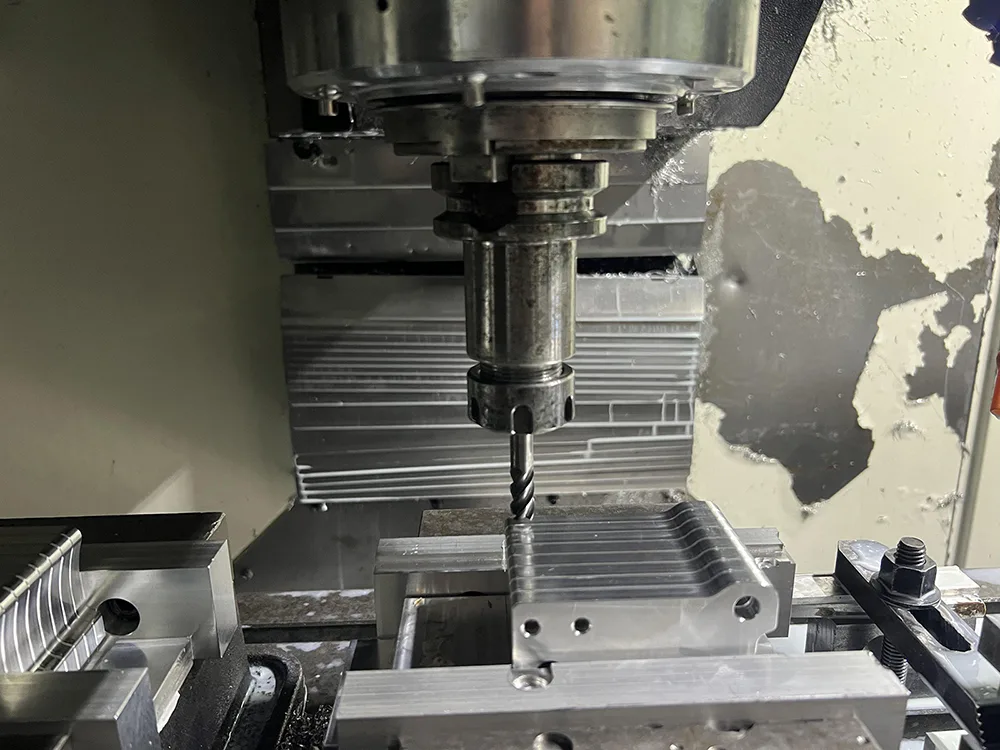
3-Axis CNC Milling

3-axis CNC milling moves the cutting tool along the X, Y, and Z axes, allowing material to be machined from the top and sides of a workpiece.
3 axis CNC Milling Machine

Best For

  • Flat surfaces
  • Simple pockets and slots
  • Drilling and tapping
  • Prototype parts
  • General mechanical components

Advantages

  • Cost-effective machining
  • Fast setup and programming
  • Ideal for simple to medium-complexity parts
  • Suitable for most standard CNC milling projects

Typical Applications

  • Mounting brackets
  • Enclosures
  • Heat sinks
  • Fixtures and jigs
  • Industrial machine components

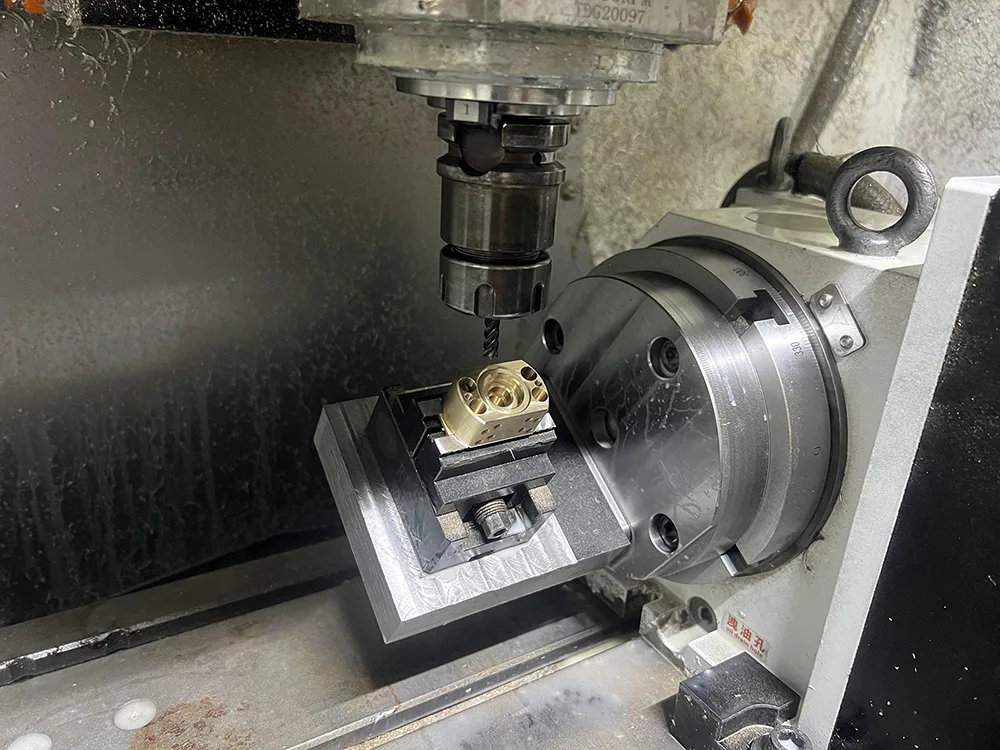
4-Axis CNC Milling

4-axis CNC milling adds a rotational A-axis to the traditional X, Y, and Z movements. The workpiece can rotate during machining, allowing access to multiple sides without manual repositioning.
4 axis CNC Milling Machine

Best For

  • Cylindrical components
  • Multi-side machining
  • Complex geometries
  • Reduced setup time

Advantages

  • Higher efficiency than 3-axis machining
  • Improved accuracy through fewer setups
  • Better consistency for batch production
  • Ability to machine around curved surfaces

Typical Applications

  • Shafts
  • Cam components
  • Turbine parts
  • Medical device components
  • Automotive parts

5-Axis CNC Milling

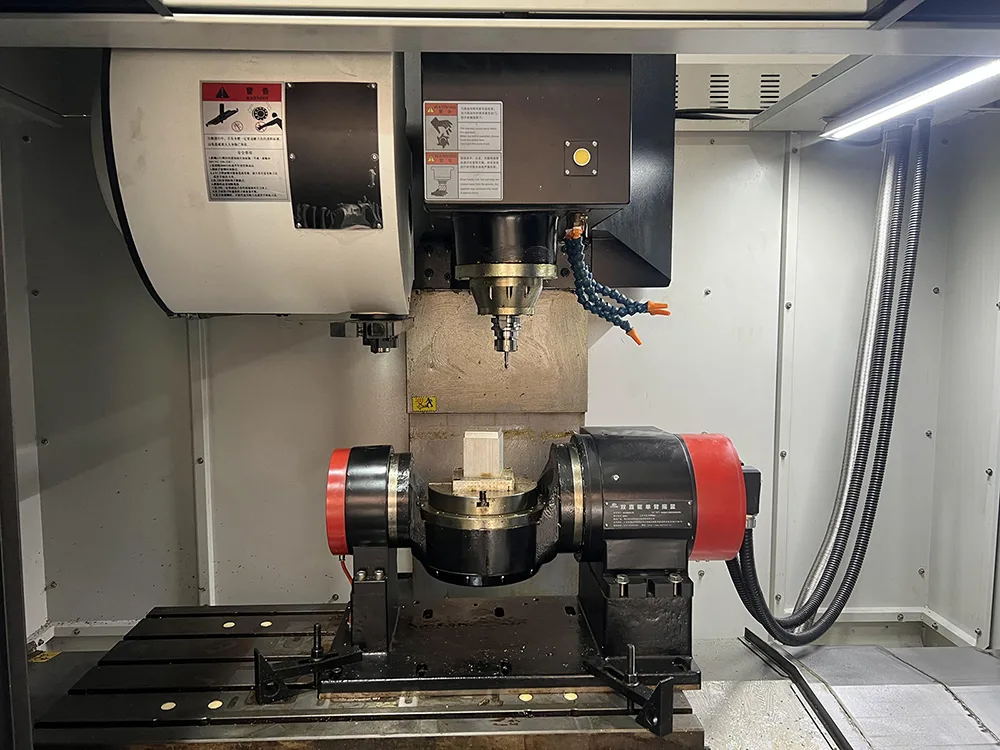
5-axis CNC milling enables simultaneous movement along three linear axes (X, Y, Z) and two rotational axes. This allows the cutting tool to approach the workpiece from virtually any direction.
5 axis CNC Milling Machine

Best For

  • Highly complex parts
  • Tight-tolerance components
  • Deep cavities
  • Precision aerospace and medical parts

Advantages

  • Exceptional machining precision
  • Reduced setup and handling
  • Superior surface finish
  • Ability to machine intricate geometries in a single setup
  • Shorter production cycles

Typical Applications

  • Aerospace components
  • Medical implants
  • Robotics parts
  • Mold and tooling components
  • High-performance automotive parts
Feature 3-Axis 4-Axis 5-Axis
Number of Axes 3 4 5
Complexity Low-Medium Medium-High High
Setup Requirements Multiple Fewer Minimal
Precision High Higher Highest
Production Efficiency Good Better Best
Surface Finish Good Better Excellent
Cost Lowest Moderate Highest
Suitable For Standard Parts Multi-Side Parts Complex Precision Parts

How CNC Milling Works

The CNC milling process begins with a 3D CAD model provided by the customer. Our engineering team reviews the design, selects the most suitable machining strategy, and generates CNC programs using CAM software.

Once the workpiece is securely fixtured on the machine, rotating cutting tools remove material layer by layer according to the programmed toolpaths. Depending on the part geometry and complexity, machining may be performed on 3-axis, 4-axis, or 5-axis CNC milling centers.

After machining, components undergo dimensional inspection and, if required, additional finishing processes such as anodizing, powder coating, polishing, or plating before shipment.

Typical CNC Milling Workflow

CAD File Submission
Design & Manufacturability Review (DFM)
CNC Programming
Material Preparation
Precision Machining
Quality Inspection
Surface Finishing
Packaging & Delivery

Need High-Precision CNC Milled Parts?

Upload your CAD files today and receive a detailed quotation from our engineering team within 12 hours. From rapid prototypes to full-scale production, we deliver precision CNC milling solutions tailored to your project requirements.

Common Materials Used in CNC Milling

CNC milling supports a wide range of metals and engineering plastics, allowing manufacturers to select the most suitable material based on strength, weight, corrosion resistance, temperature performance, and cost requirements.
Material Key Characteristics Typical Applications
Aluminum (6061, 7075, 2024, 5052) Lightweight, high strength-to-weight ratio, excellent machinability, good corrosion resistance Aerospace parts, automotive components, electronic housings, robotics parts, fixtures
Stainless Steel (303, 304, 316, 17-4PH) High strength, excellent corrosion resistance, durable, harder to machine Medical devices, marine parts, food equipment, industrial machinery, fasteners
Carbon Steel / Alloy Steel High strength, heat-treatable, cost-effective, lower corrosion resistance Gears, shafts, machine parts, automotive components, structural parts
Brass Excellent machinability, good corrosion resistance, good electrical conductivity, aesthetic finish Electrical connectors, plumbing fittings, precision components, decorative parts
Copper Outstanding electrical & thermal conductivity, good corrosion resistance, soft material Heat sinks, electrical busbars, power systems, electrical connectors
Titanium (Grade 2, Grade 5) Extremely high strength-to-weight ratio, corrosion resistant, biocompatible, difficult to machine Aerospace components, medical implants, marine parts, high-performance automotive parts
Engineering Plastics (ABS, POM, Nylon, PC, PTFE, PEEK) Lightweight, corrosion-free, good insulation, chemical resistance, easy machining Enclosures, insulation parts, prototypes, wear components, food/medical parts

Surface Finishing Options for CNC Machined Parts

CNC machined parts often require surface finishing to improve corrosion resistance, enhance appearance, increase hardness, or meet functional requirements. We provide a wide range of finishing options for both metal and plastic components to meet different industrial applications.
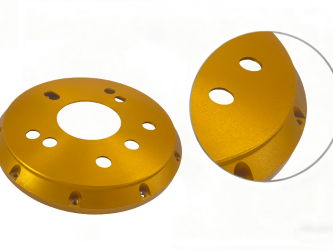
Anodizing

Anodizing

Anodizing improves corrosion resistance, wear resistance, and appearance for aluminum components. It is widely used in aerospace, electronics, robotics, and industrial applications.
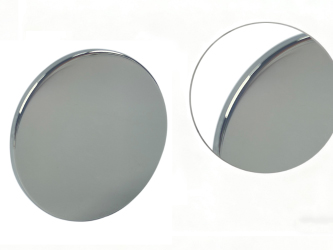
Polishing

Polishing

Polishing reduces surface roughness and enhances surface smoothness, making it suitable for high-precision, decorative, and functional components.
Passivation

Passivation

Passivation improves the corrosion resistance of stainless steel by removing surface contaminants and free iron, helping maintain long-term durability.
Black Oxide

Black Oxide

Black oxide provides a protective black finish on steel parts while maintaining dimensional accuracy and improving corrosion resistance.
Electroplating

Electroplating

Electroplating applies a protective metallic coating, such as zinc or nickel, to improve corrosion resistance, wear resistance, and overall durability. It is widely used for industrial and mechanical components.
Sandblasting

Sandblasting

Sandblasting removes machining marks and creates a uniform matte finish, improving both appearance and surface consistency. It is often used as a pre-treatment before anodizing and other finishing processes.
E-Coating

E-Coating

E-coating applies a uniform protective layer through an electrochemical process, offering excellent corrosion resistance and consistent coverage on complex geometries.
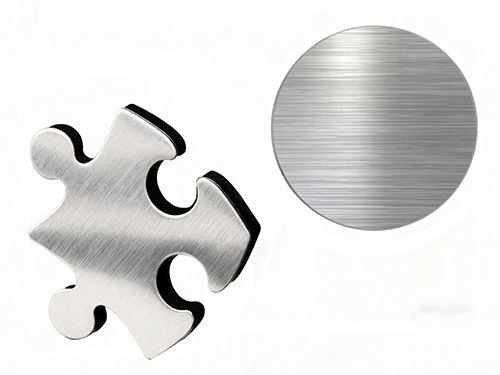
Brushing

Brushing

Brushing creates a fine, linear texture on metal surfaces, producing a clean and professional appearance while helping to conceal minor scratches and fingerprints.

Industry Applications

CNC milling is widely used to manufacture precision components for a variety of industries.

Aerospace

High-precision components manufactured for lightweight structures, complex geometries and demanding performance requirements.
Learn More

Automotive

Supporting prototype development, functional parts and low-volume production for automotive applications.
Learn More

New Energy

Machined components for energy systems requiring dimensional stability and reliable performance.
Learn More

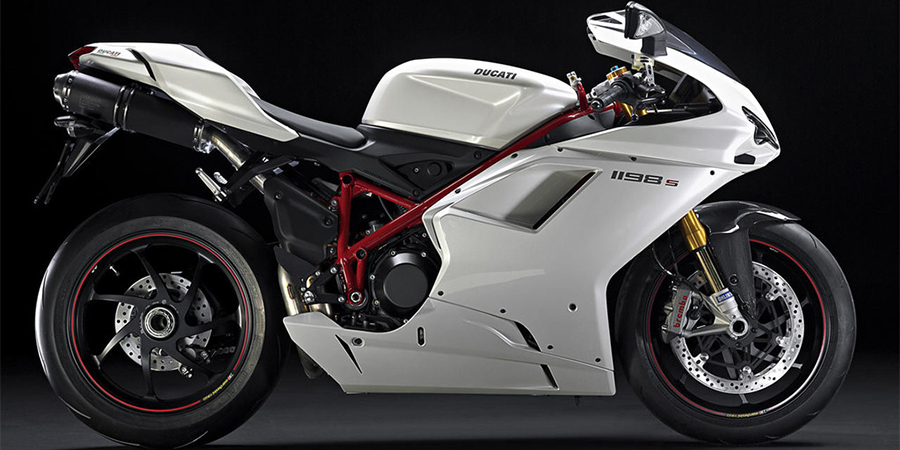
Motorcycle

Precision machining for motorcycle components, custom parts and performance accessories.
Learn More

Robotics

Complex machined parts for automation equipment, robotic assemblies and precision mechanisms.
Learn More

Processing Case Studies

3 Axis CNC machined parts
3 Axis CNC Machined Parts
3 axis milling of stainless steel parts
3 Axis Milling of Stainless Steel Parts
4-Axis CNC Machined parts
4 Axis CNC Machined Parts
4 Axis Machined Part
Aerospace Hardware
5 Axis CNC Machined Part
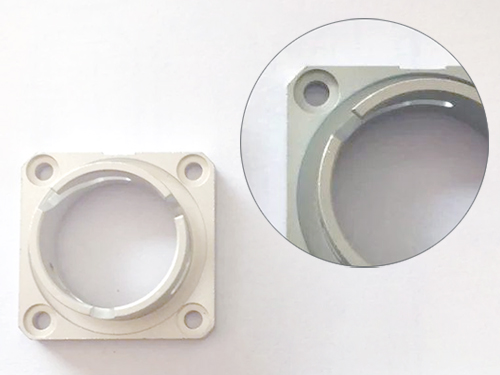
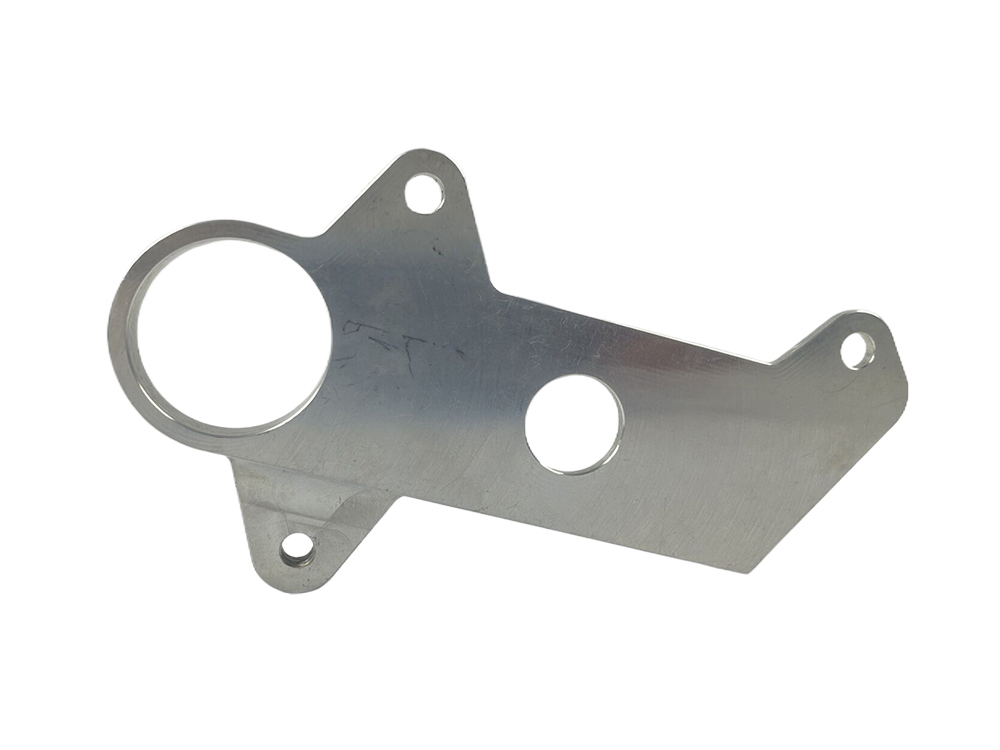
CNC Milling Aluminum Bracket
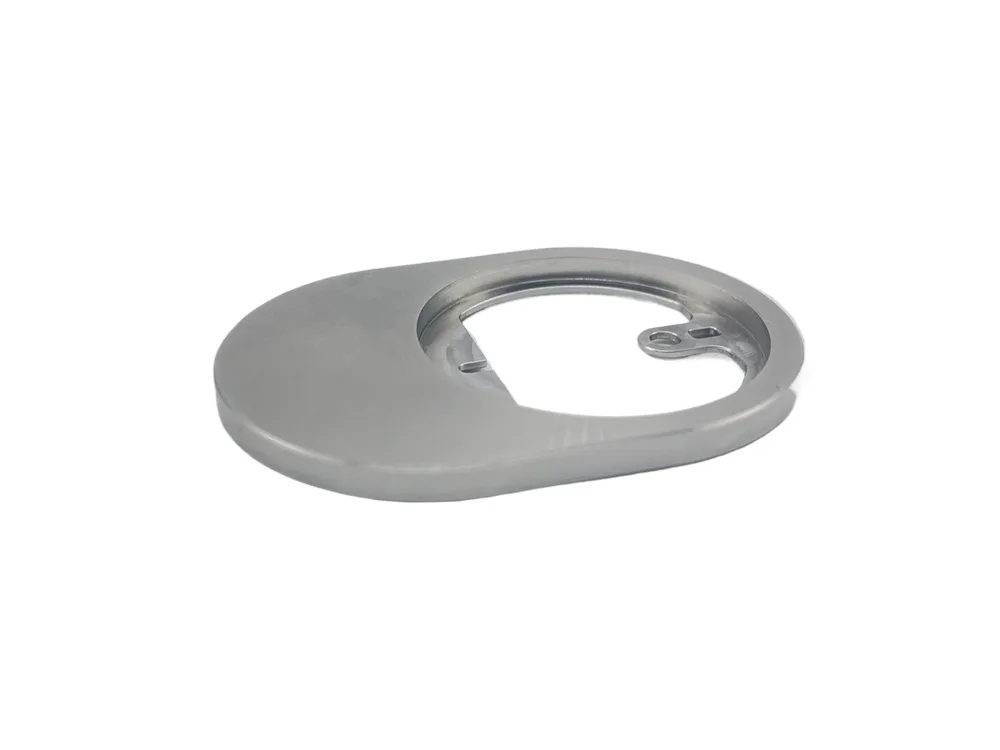
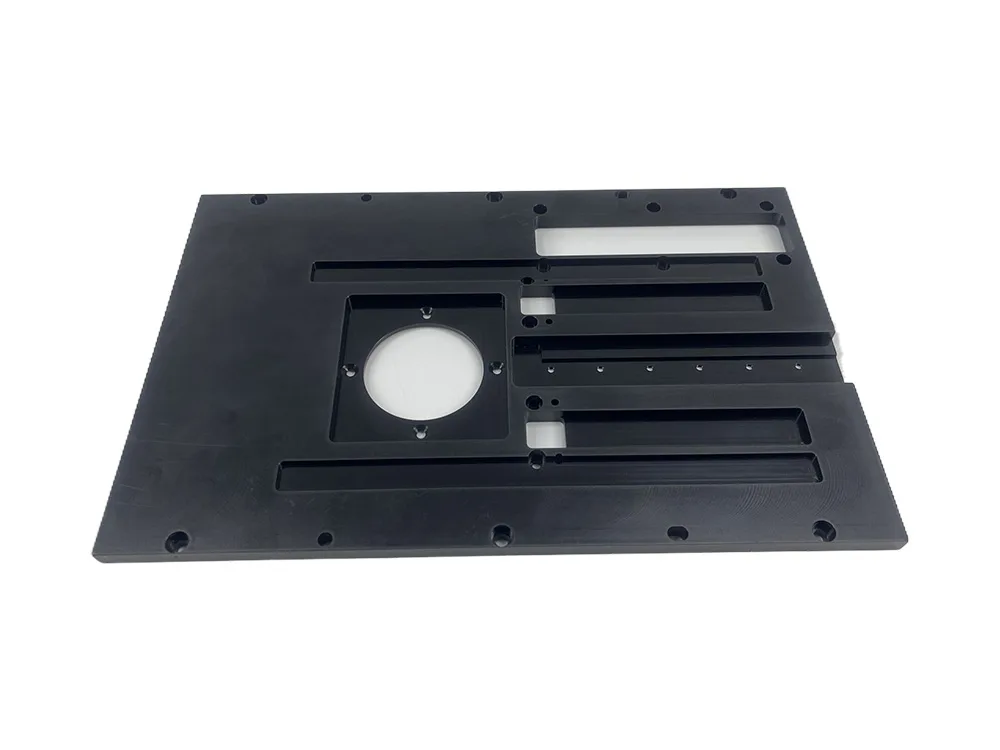
CNC Milling Aluminum Plate
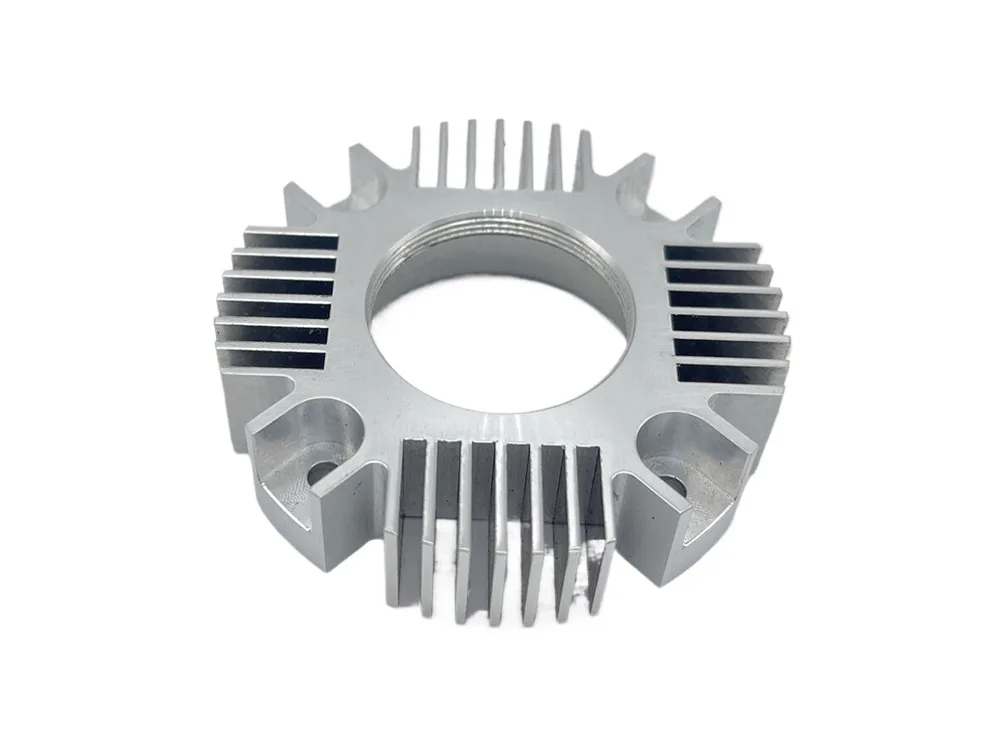
CNC Milling Heat Sink

Quality Control

We follow strict quality control procedures throughout the manufacturing process to ensure every part meets customer specifications. From material inspection and in-process checks to final verification, each component is carefully inspected for dimensional accuracy and surface quality.
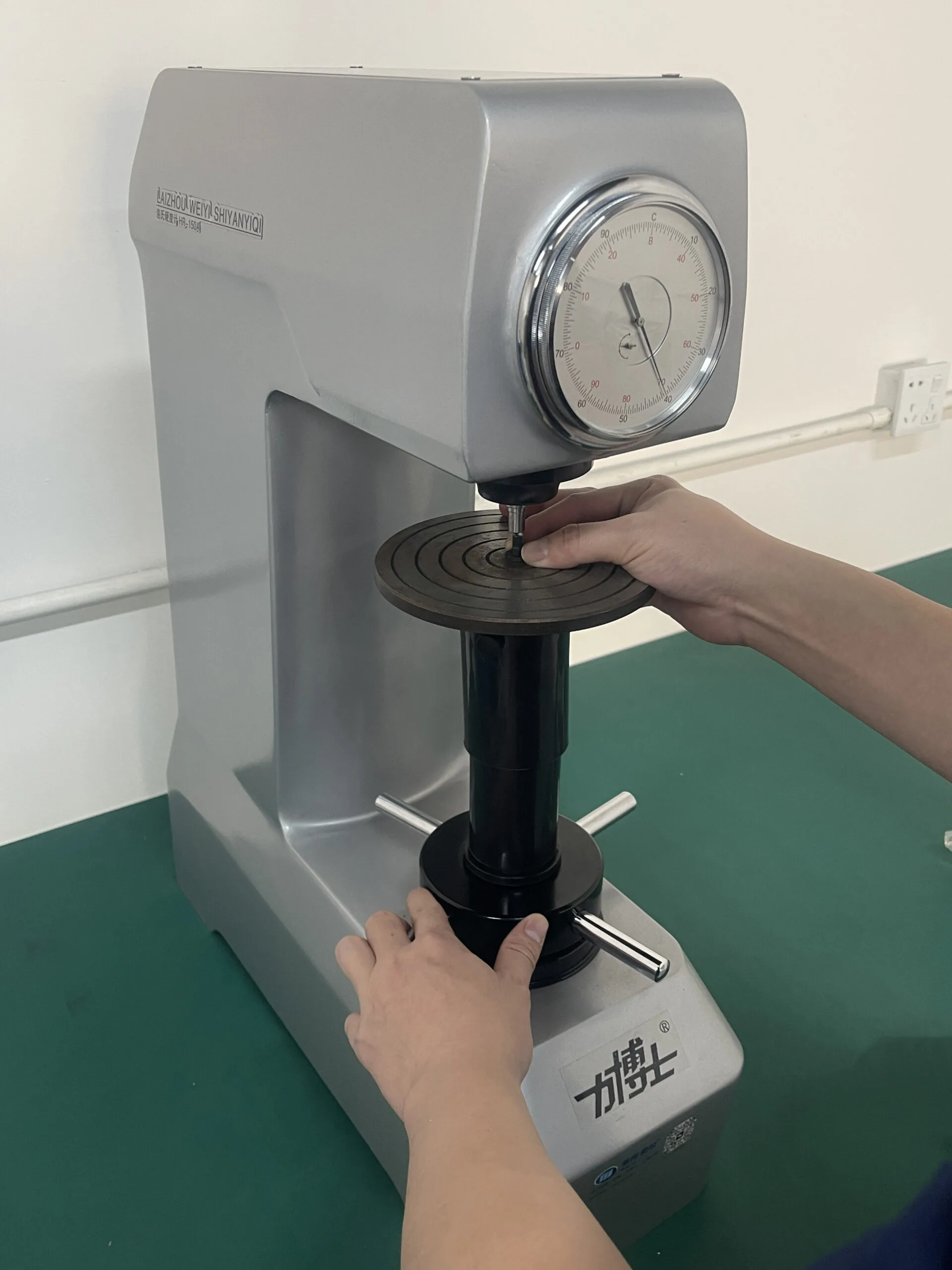
Hardness Test scaled

Hardness Test

Hardness test can be divided into Brinell hardness, Vickers hardness, Rockwell hardness, micro Vickers hardness, etc. Rockwell hardness test is the most commonly used test method, and the hardness value is determined by the depth of indentation plastic deformation. Hardness testing can be used to verify the surface and core hardness of the workpiece, mainly used in metal materials.Surface hardness is the resistance of the surface to deformation or damage, and the core hardness can reflect the essential properties of the material.
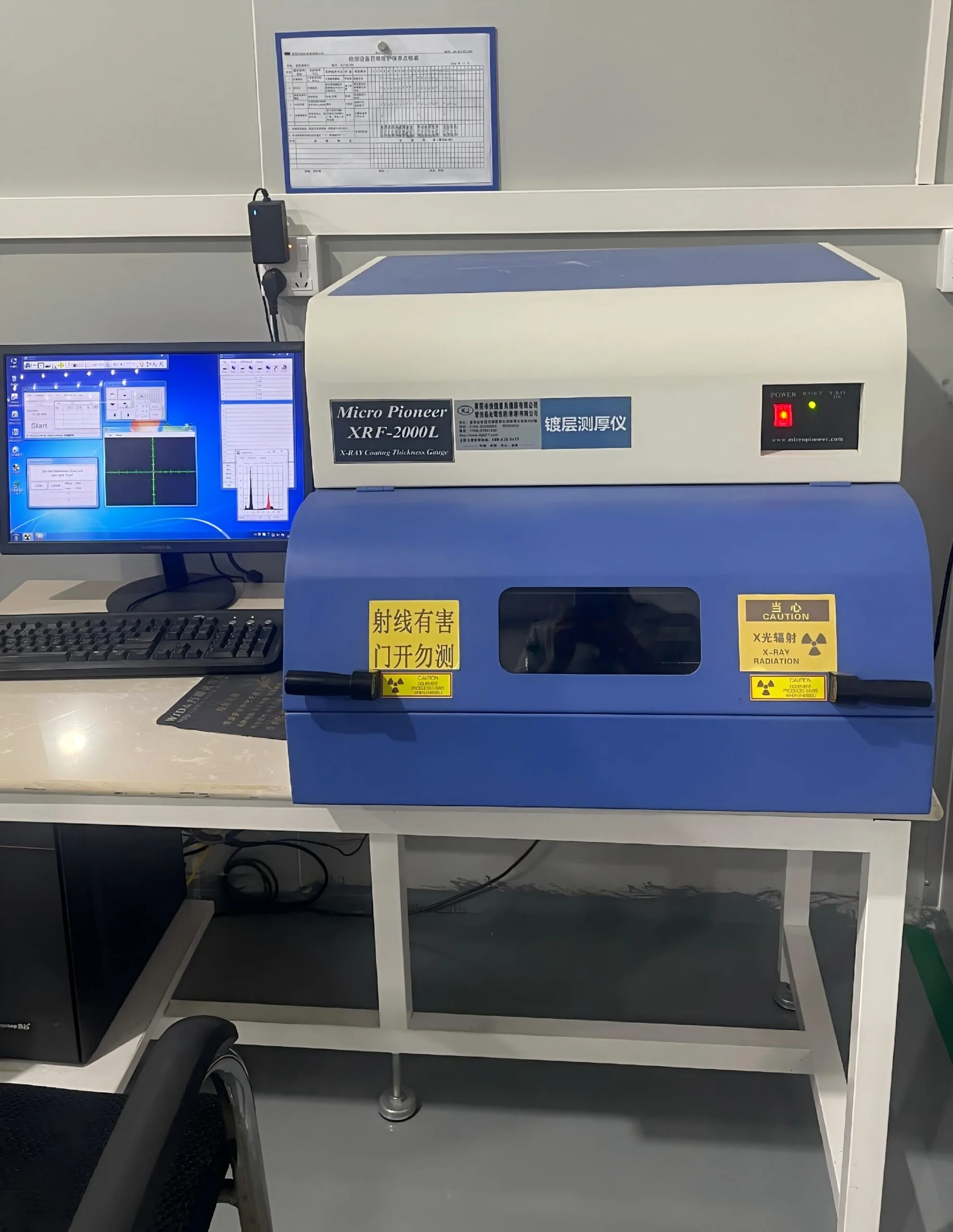
Coating Thickness Testing1 scaled

Coating Thickness Testing

Coating Thickness Testing is the process of measuring the thickness of a coating layer applied to a material's surface, typically to ensure that it meets specific standards for quality, durability, and performance. This testing is crucial in many industries, including automotive, aerospace, electronics, and construction, as it helps confirm that coatings—such as paint, anodizing, plating, or galvanizing—are applied evenly and meet required specifications.
Film Thickness Test1 scaled

Film Thickness Test

Film thickness test is a kind of method to measure the thickness of non-magnetic coatings (such as aluminum, chromium, copper, enamel, rubber, paint, etc.) on magnetic basis metal (such as steel, iron, alloys, and hard magnetic steel). It can also measure the thickness of non-conductive coatings (such as enamel, rubber, paint, plastic, etc.) on non-magnetic basis metal(such as copper, aluminum, zinc, tin, etc.).Our test method has the characteristics of small measurement error, high reliability and good stability, which can control and ensure the quality of products.
CMM Testing scaled

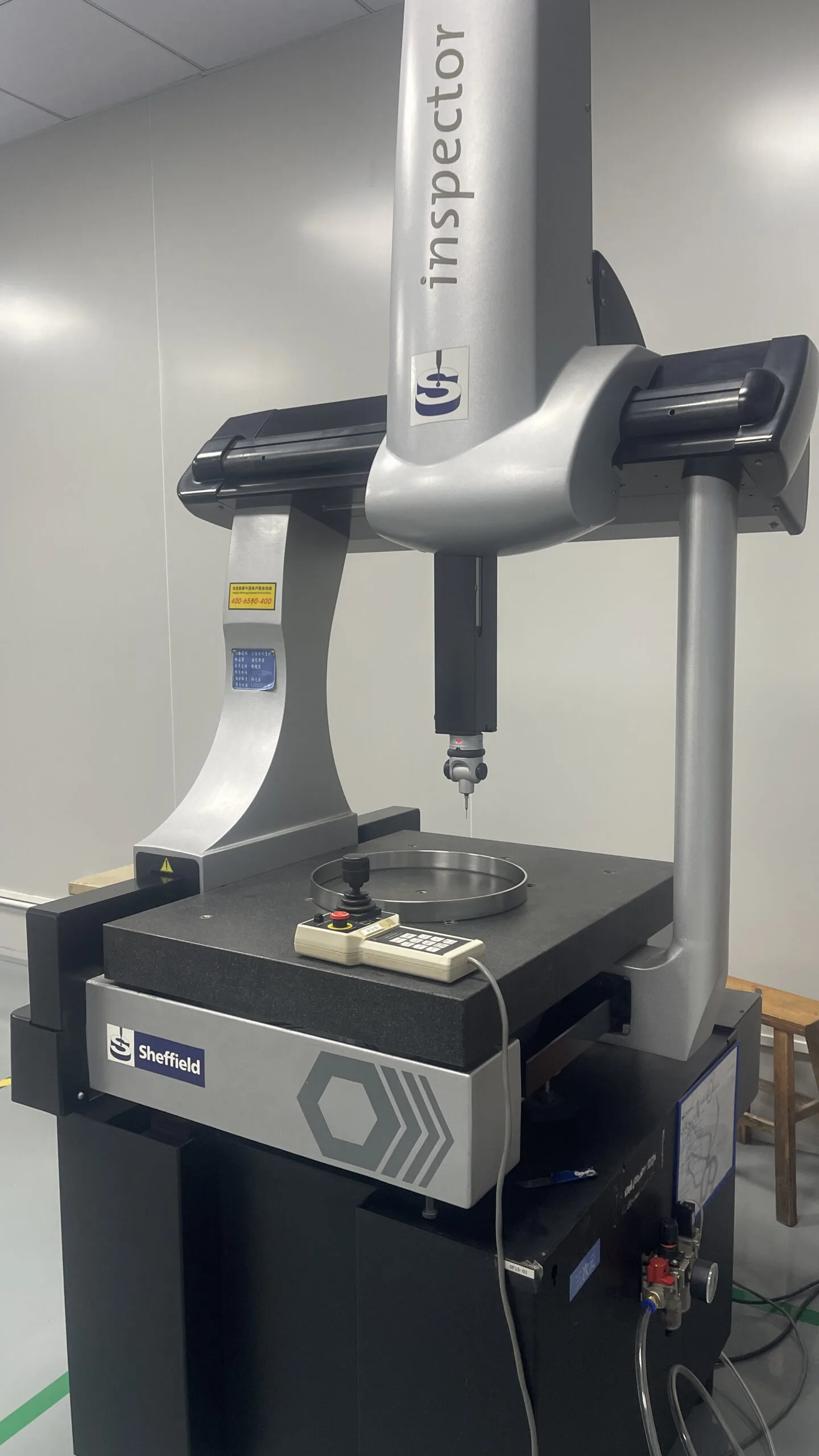
CMM Testing

High-precision 3D measurement using a Coordinate Measuring Machine to verify dimensional accuracy and GD&T requirements, ensuring every part meets the exact design specifications.
Surface Roughness Test scaled

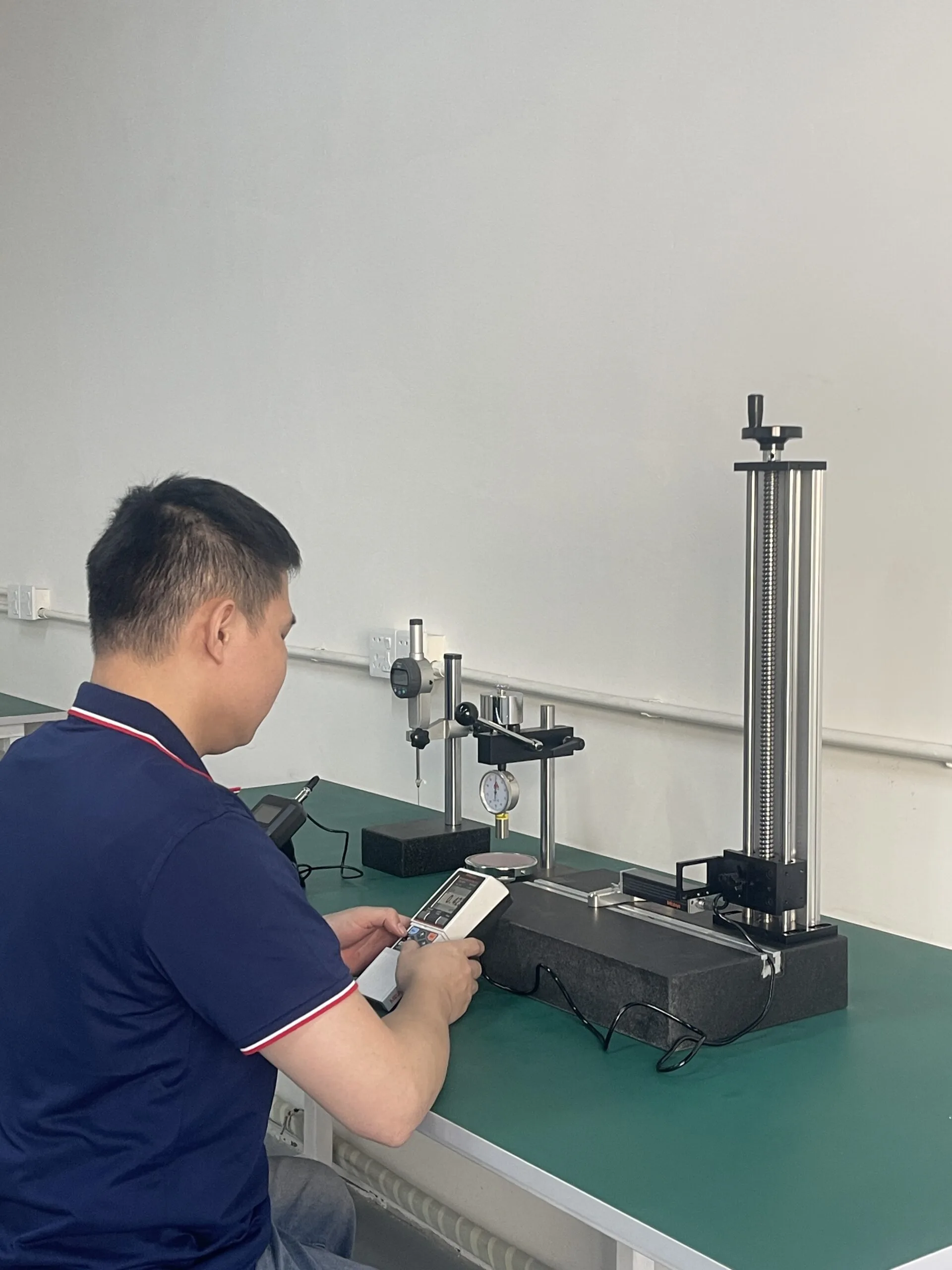
Surface Roughness Test

The stylus method is a technique used to measure the surface roughness of the workpiece,which is suitable for the test range of R0.02-5μm,It has the characteristics of high precision, wide measuring range and simple operation. It is widely used in the inspection of various metal and non-metal processing surfaces.
Projector Test

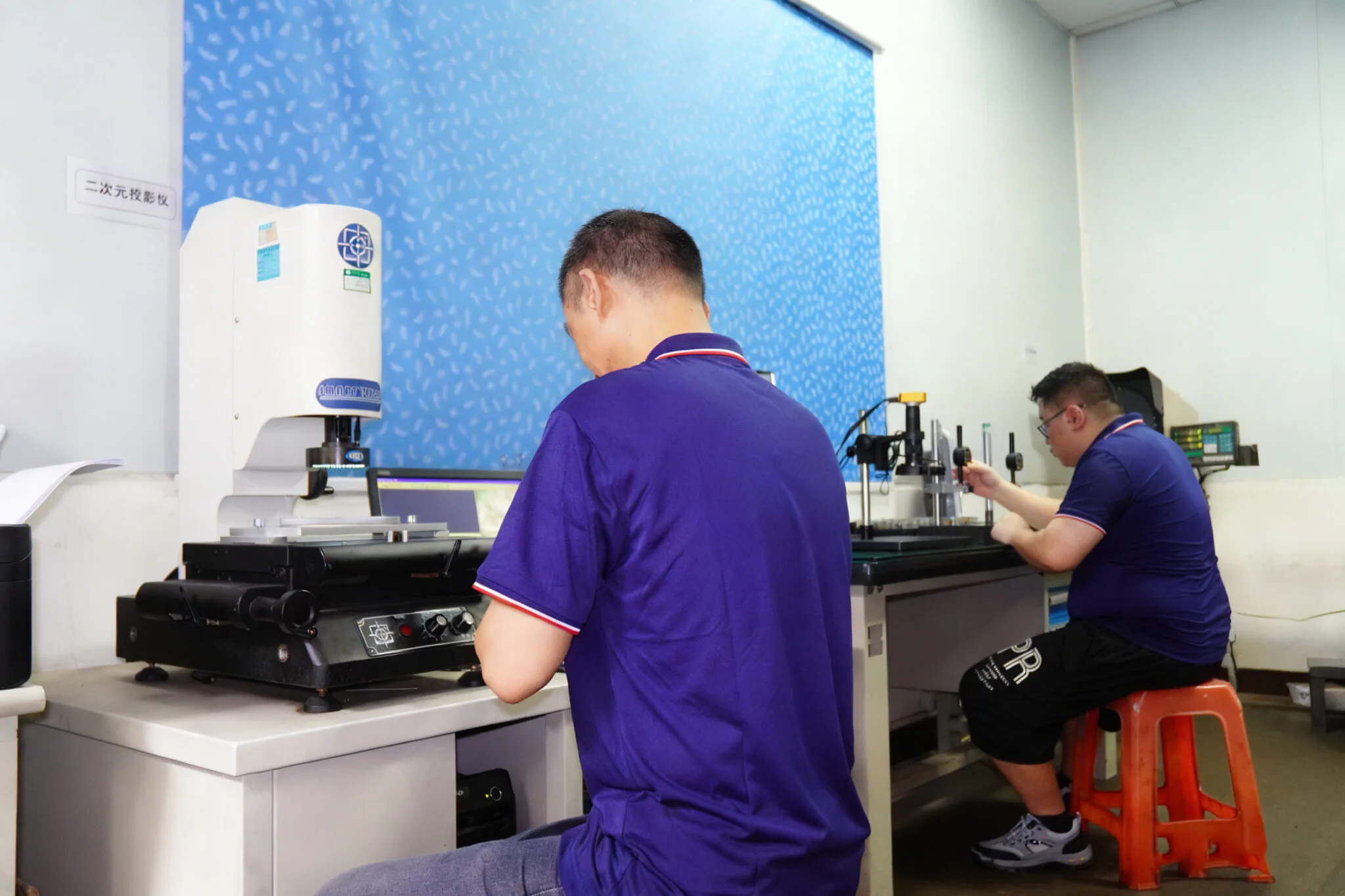
Projector Test

Projector is used to measure hardware dimensions include position, concentricity, straightness, profile, roundness and the size related to the GD&T,such as diameter, radius, length, Angle, width, height, depth, point-to-point distance, point-to-line distance, circle distance, and so on.
Salt Spray Test

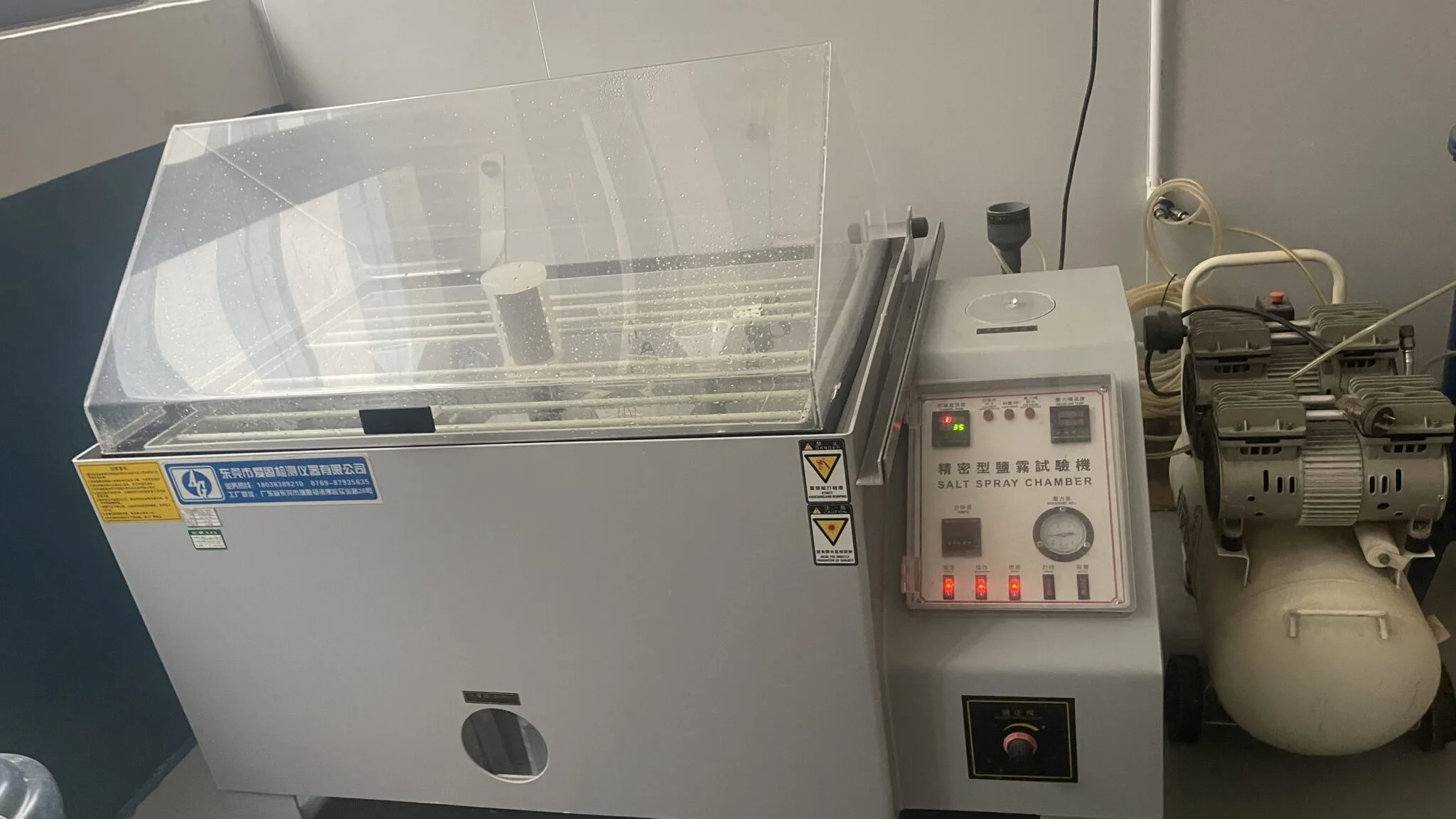
Salt Spray Test

Salt spray test is divided into neutral salt spray test, acetate spray test, copper salt accelerated acetate spray test, alternating salt spray test. Neutral salt spray test is widely used in various industries.By accelerating corrosion of metal protective layer,which makes it lose decorative and reduce the mechanical strength, the purpose is to assess the product or metal material salt spray corrosion resistance quality.

CNC Milling Machining FAQs

A: CNC milling machining is a manufacturing process that uses computer-controlled rotating cutting tools to remove material from a solid block and produce custom-designed parts. It is widely used to manufacture precise metal and plastic components with complex geometries and tight tolerances.

A:CNC milling supports a wide range of materials, including aluminum, stainless steel, carbon steel, brass, copper, titanium, and engineering plastics such as ABS, POM, nylon, PTFE, and PEEK. The material selection depends on the application, strength requirements, and environmental conditions.

A: We can achieve standard tolerances of ±0.02 mm, with tight tolerances up to ±0.01 mm depending on part geometry, material, and machining process. Critical dimensions can be controlled more precisely based on engineering requirements.

A: Yes, we specialize in both rapid prototyping and low-volume production. We can manufacture single prototype parts as well as small to medium batch production runs before scaling to mass production if needed.

A: Yes, with our 3-axis, 4-axis, and 5-axis CNC milling capabilities, we can produce highly complex geometries, including deep cavities, angled surfaces, curved features, and multi-side machining components.

A: Surface finishing is not only about appearance—it directly impacts:

  • Corrosion resistance
  • Wear resistance
  • Electrical insulation or conductivity
  • Friction performance
  • Product lifespan
  • Assembly compatibility

Choosing the right finish can significantly improve the performance and durability of CNC machined parts.

Follow us

Contact Us

  • 0769-81159903
  • 0769-81159904
  • info@yumeiprecision.com
  • No.2 delong road,changan town, dongguan city,523866, Guangdong Province, China
©2026 Dongguan Yumei Hardware Co.,Ltd- All rights reserved