Custom Mill-Turn Machining Services

Produce complex turned and milled components in a single setup with high precision, reduced lead times, and consistent quality.

  • Combined Turning & Milling Operations
  • Complex Geometry Machining
  • Tight Tolerance Manufacturing
  • Low to Medium Volume Production
  • Fast Lead Times

+

Years of Experience

+

Advanced CNC Machines

+

Customer cooperation Cases

%

Customer satisfaction

What Is CNC Mill-Turn Machining?

CNC mill-turn machining combines turning and milling operations within a single machine platform. By integrating multiple machining processes into one setup, manufacturers can produce complex parts with higher precision, fewer secondary operations, and shorter production cycles.

Mill-turn technology is ideal for components that require both rotational features and intricate milled geometries, making it widely used in aerospace, automotive, energy, robotics, and industrial equipment applications.

Unlike conventional machining processes that require separate turning and milling machines, mill-turn technology performs multiple operations in one setup.

This integrated approach significantly reduces handling time and eliminates errors caused by repeated workpiece repositioning.

Single Setup Machining

Reduce repositioning errors and improve dimensional accuracy.

Shorter Lead Times

Turning and milling operations are completed in one machine.

Improved Precision

Minimize tolerance stack-up caused by multiple setups.

Complex Part Capability

Machine intricate features that would otherwise require multiple operations.

CNC Mill-Turn Machining Capabilities

Our CNC mill-turn machining services combine turning, milling, drilling, tapping, and secondary operations in a single setup, enabling efficient production of complex parts with tight tolerances and reduced lead times.

We serve industries including aerospace, new energy, robotics, motorcycles, and industrial equipment, providing low- to medium-volume manufacturing with consistent quality and reliable delivery.
Capability Specification
Tolerance ±0.01 mm
Surface Finish Ra 0.2–0.8 μm
Production Volume Prototype to Medium Volume
Materials Metal & Engineering Plastics
Inspection Equipment CMM, Projector, Roughness Tester

Features We Can Produce

Designed for complex part manufacturing, our mill-turn machining services support a wide range of turning, milling, hole-making, and multi-axis machining operations. This integrated capability allows us to produce precision components with reduced setups, improved accuracy, and shorter lead times.

Turning Features

  • Precision OD Turning
  • ID Turning
  • Facing
  • Grooving
  • External Threading
  • Internal Threading

Milling Features

  • Flats
  • Slots
  • Pockets
  • Keyways
  • Hex Profiles
  • Multi-Face Machining

Hole Making Features

  • Drilling
  • Reaming
  • Tapping
  • Cross Holes
  • Radial Holes
  • Angled Holes

Complex Features

  • Off-Center Features
  • Eccentric Geometry
  • Multi-Angle Surfaces
  • Compound Profiles
  • High-Concentricity Components

Materials Available for Mill-Turn Machining

Our mill-turn machining services support a wide range of metals and engineering plastics. Different materials offer unique advantages in strength, weight, corrosion resistance, conductivity, and wear performance, allowing us to meet the requirements of diverse industries and applications.
Material Key Characteristics Typical Applications
Aluminum Lightweight, excellent machinability, corrosion resistant, high strength-to-weight ratio Aerospace components, robotics parts, motorcycle accessories, electronic housings, new energy components
Stainless Steel High strength, corrosion resistance, durability, excellent wear resistance Valve components, shafts, connectors, sensor housings, industrial equipment parts
Carbon Steel Cost-effective, good machinability, high mechanical strength Mechanical components, transmission parts, industrial machinery, brackets, shafts
Alloy Steel Enhanced hardness, fatigue resistance, superior mechanical properties Precision shafts, gears, drive system components, heavy-duty industrial equipment
Titanium Exceptional strength-to-weight ratio, corrosion resistance, heat resistance Aerospace fittings, high-performance motorcycle parts, medical-grade equipment, energy systems
Brass Excellent machinability, electrical conductivity, corrosion resistance Electrical connectors, fittings, terminals, precision threaded components
Copper Outstanding electrical and thermal conductivity Power transmission components, electrical contacts, conductive terminals, heat management systems
Engineering Plastics Lightweight, wear resistant, electrically insulating, corrosion resistant Bushings, guides, insulation components, sensor parts, lightweight mechanical assemblies

Industry Applications

Mill-turn machining is an efficient solution for producing complex components that combine rotational and milled features. By reducing setups and improving dimensional consistency, it is widely used across industries where precision, reliability, and production efficiency are critical.

Aerospace

High-precision components manufactured for lightweight structures, complex geometries and demanding performance requirements.
Learn More

Automotive

Supporting prototype development, functional parts and low-volume production for automotive applications.
Learn More

New Energy

Machined components for energy systems requiring dimensional stability and reliable performance.
Learn More

Motorcycle

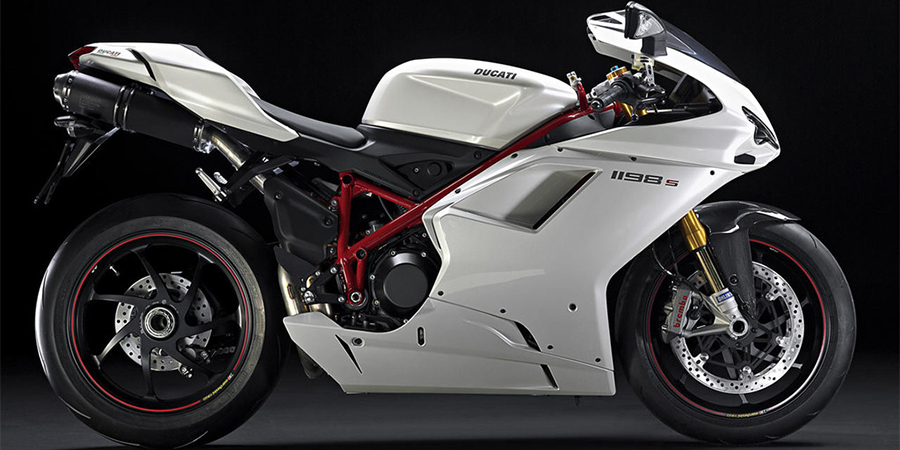
Precision machining for motorcycle components, custom parts and performance accessories.
Learn More

Robotics

Complex machined parts for automation equipment, robotic assemblies and precision mechanisms.
Learn More

Processing Case Studies

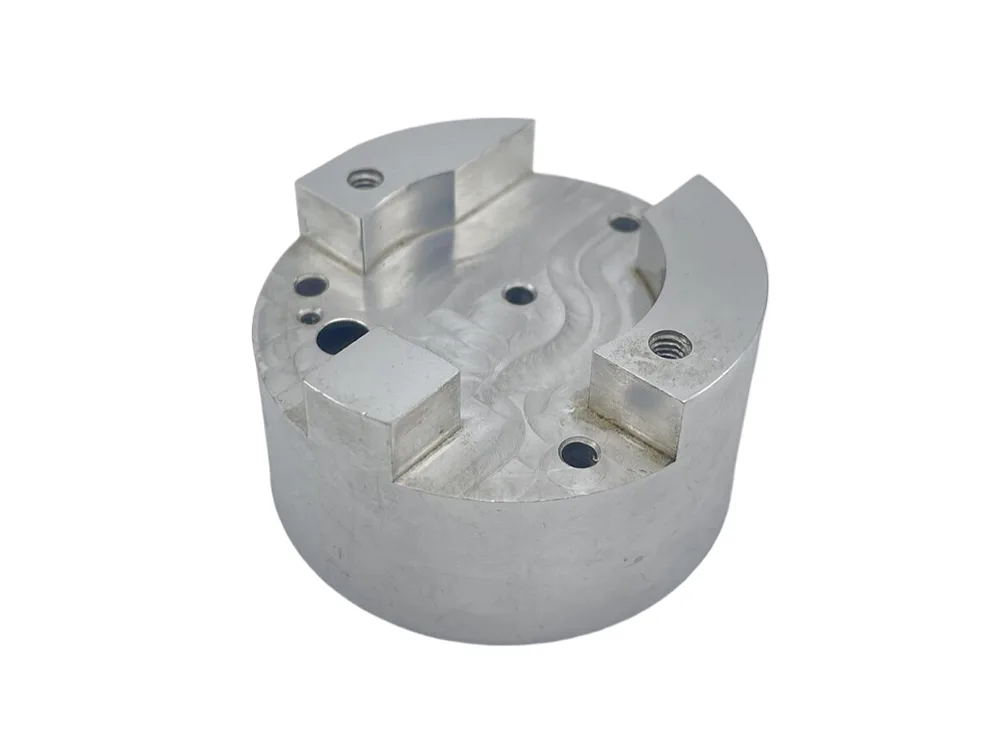
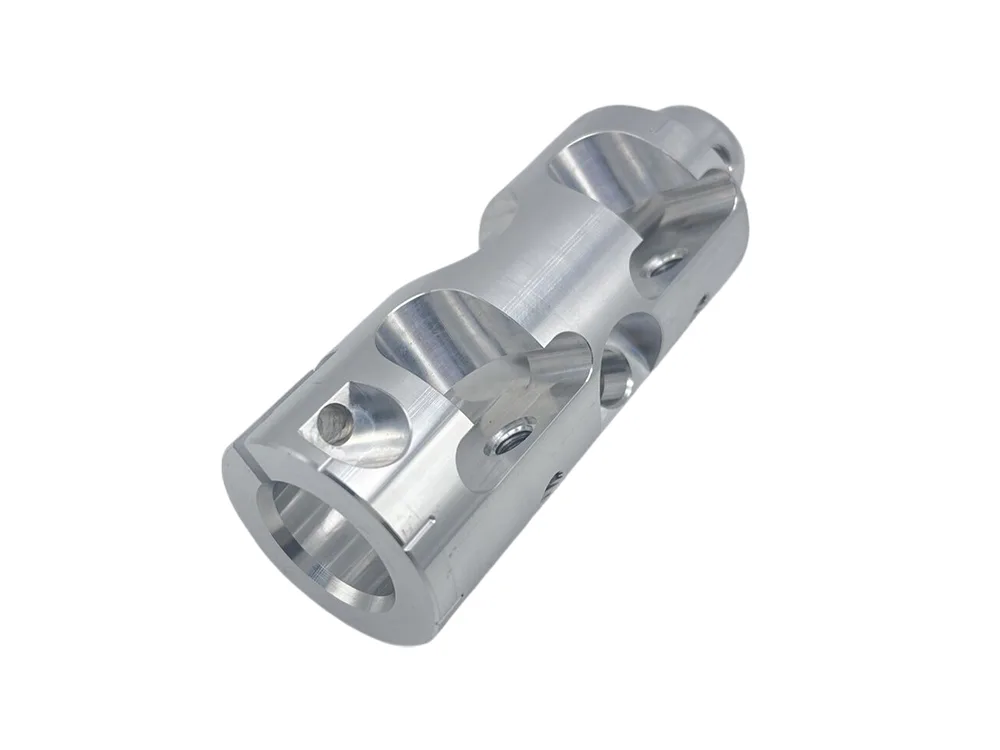
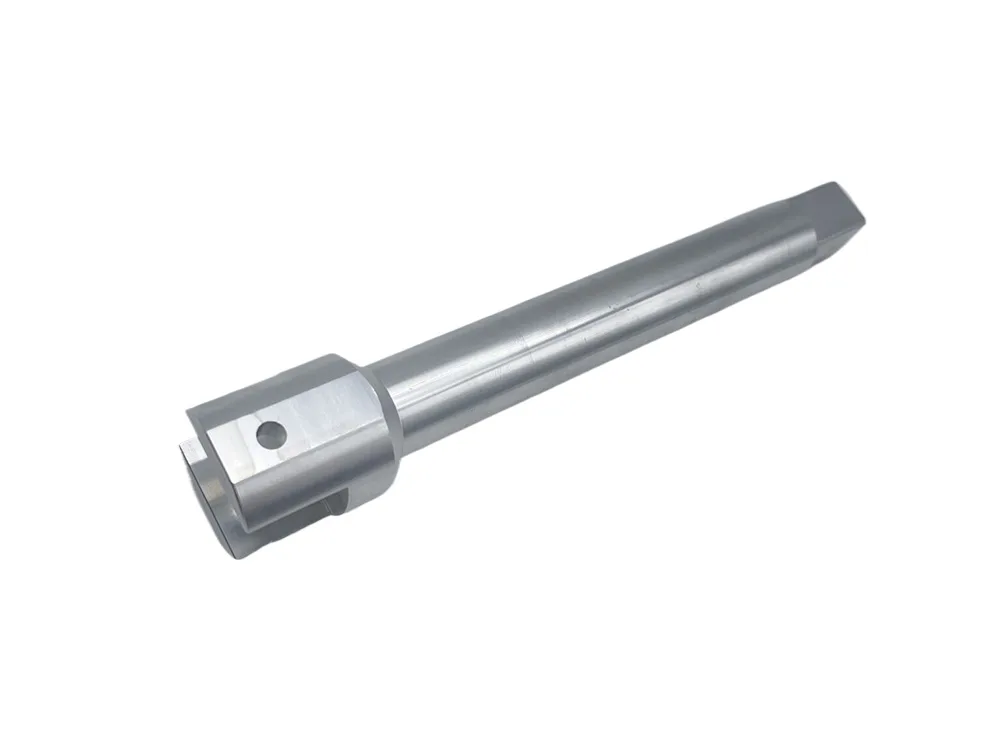
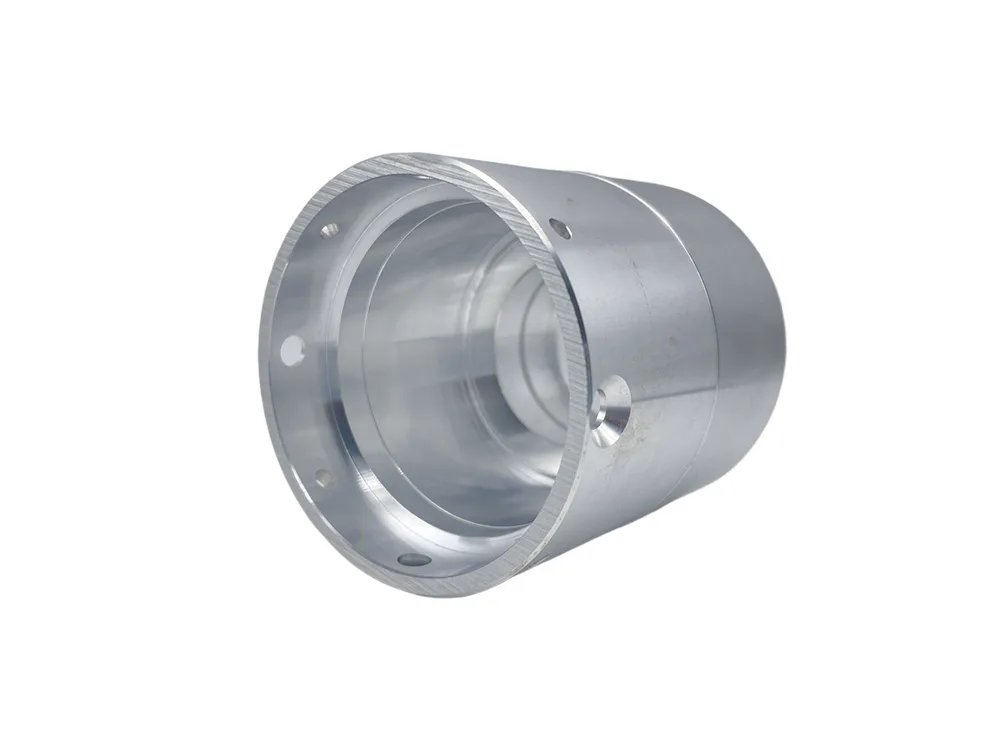
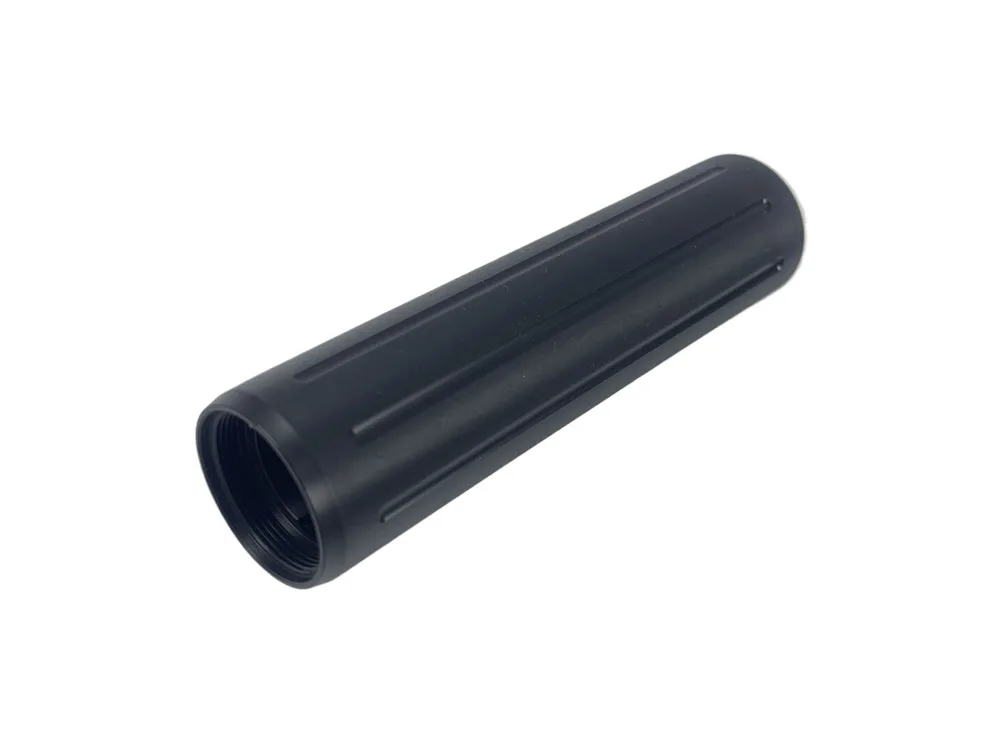
Milling and turning of aluminum parts
Mill-Turn of Aluminum Parts
Turn Mill Machining of Aluminum Parts
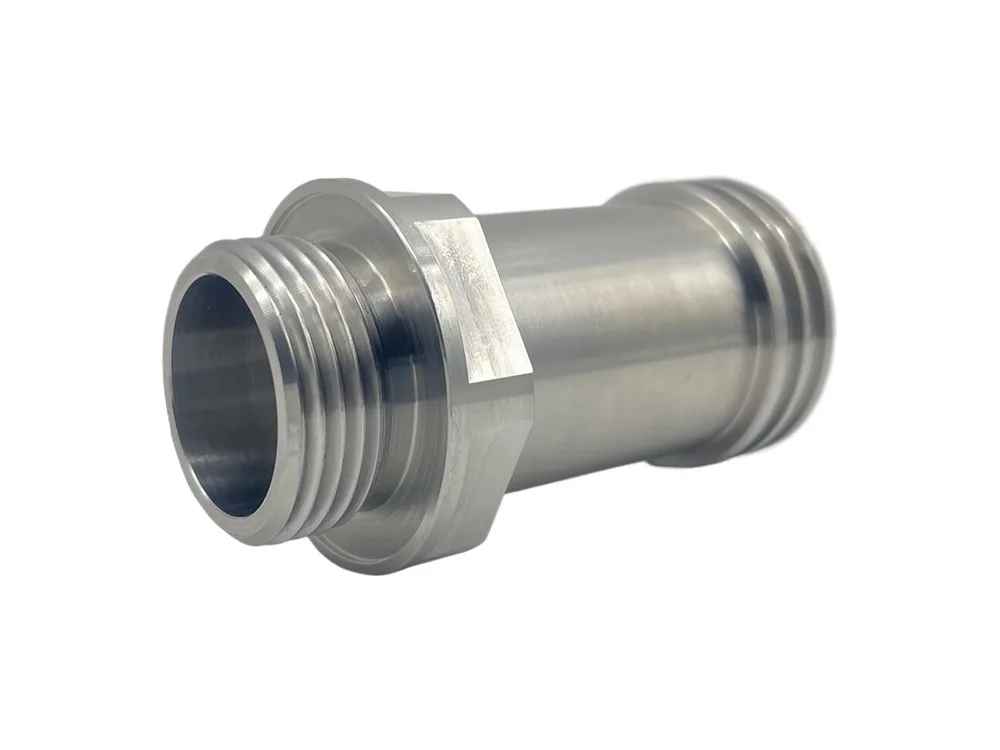
Turn-Mill Machining of Aluminum Parts
Milling and Turning of Aluminum Parts
Turning and Milling of Aluminum Parts
Turn Milled Aluminum Parts
Turn-Milled Aluminum Parts
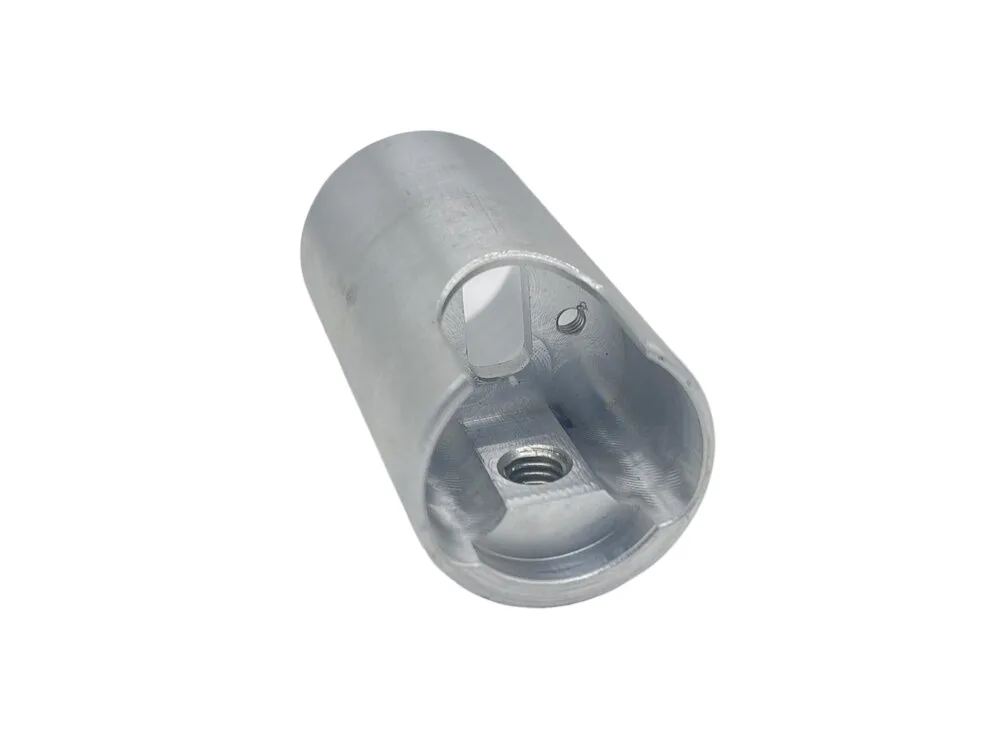
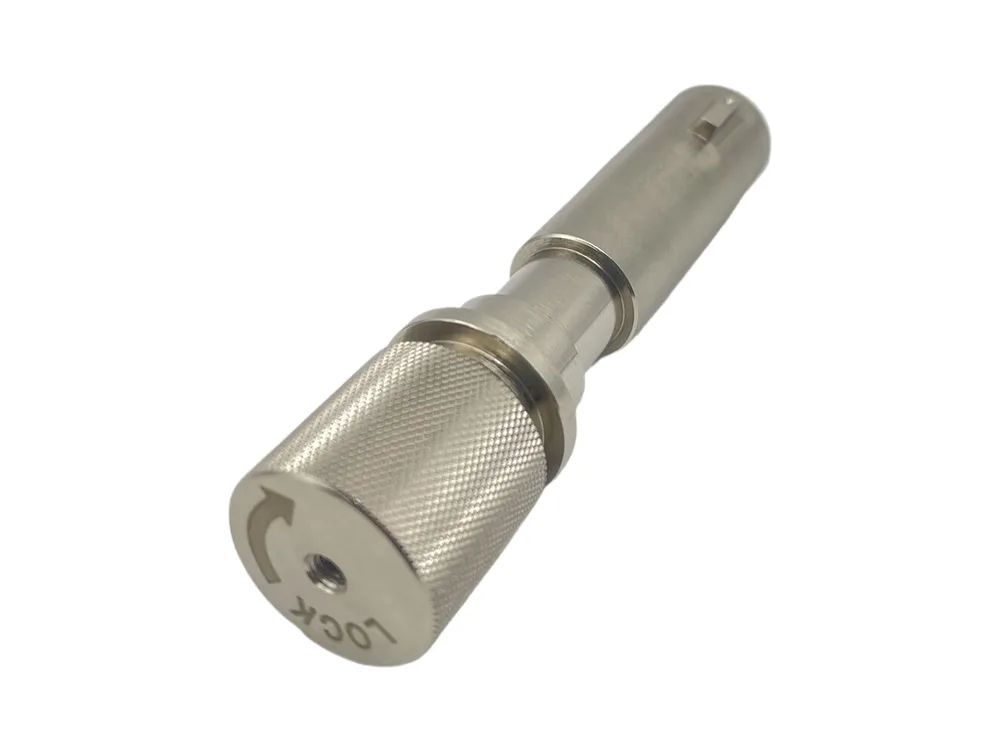
Turn Mill Machining of Lock Cylinder
Turn-Mill Machining of Lock Cylinder
Turn Milled Parts
Turn Milled Parts

Quality Control

We follow strict quality control procedures throughout the manufacturing process to ensure every part meets customer specifications. From material inspection and in-process checks to final verification, each component is carefully inspected for dimensional accuracy and surface quality.
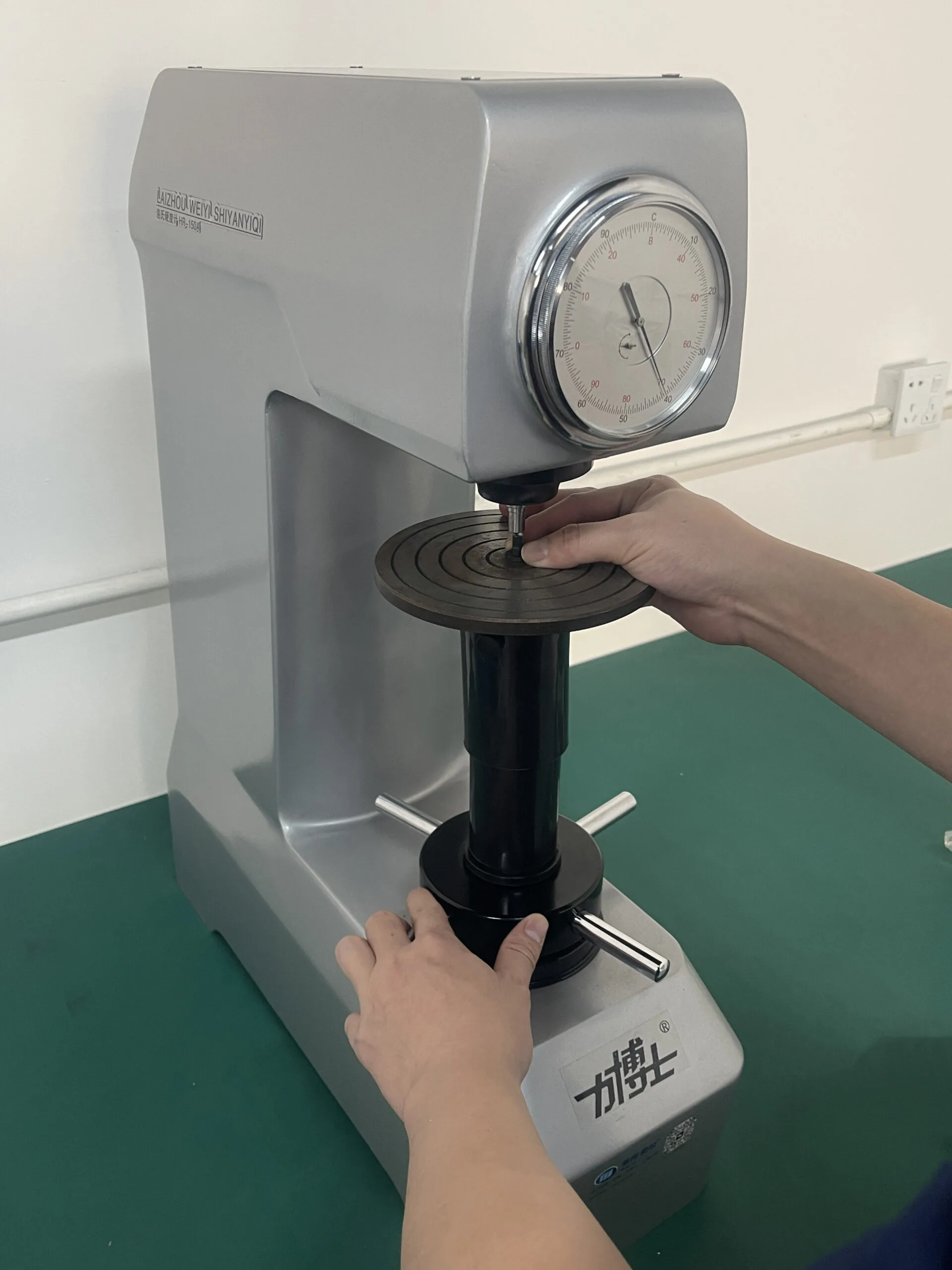
Hardness Test scaled

Hardness Test

Hardness test can be divided into Brinell hardness, Vickers hardness, Rockwell hardness, micro Vickers hardness, etc. Rockwell hardness test is the most commonly used test method, and the hardness value is determined by the depth of indentation plastic deformation. Hardness testing can be used to verify the surface and core hardness of the workpiece, mainly used in metal materials.Surface hardness is the resistance of the surface to deformation or damage, and the core hardness can reflect the essential properties of the material.
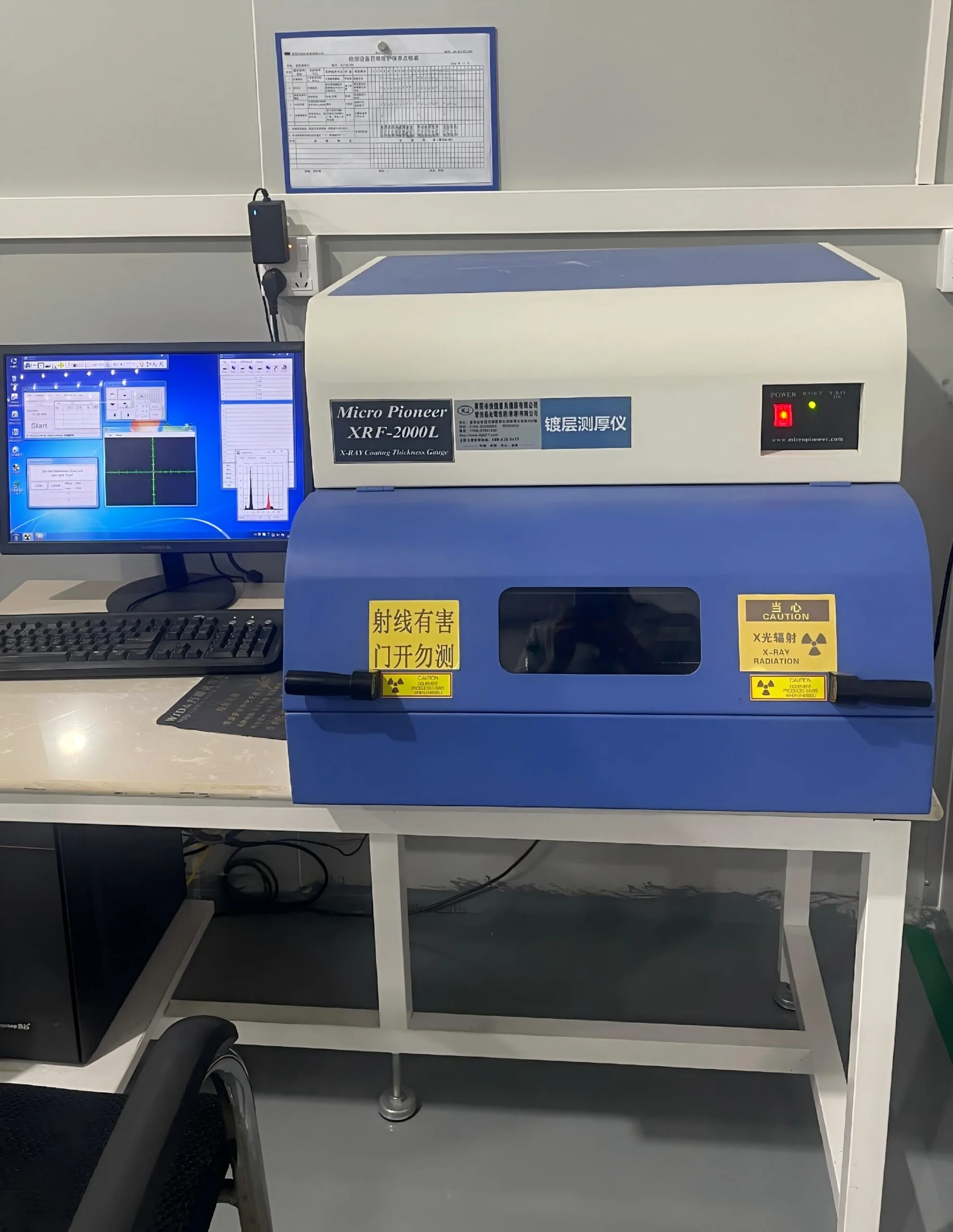
Coating Thickness Testing1 scaled

Coating Thickness Testing

Coating Thickness Testing is the process of measuring the thickness of a coating layer applied to a material's surface, typically to ensure that it meets specific standards for quality, durability, and performance. This testing is crucial in many industries, including automotive, aerospace, electronics, and construction, as it helps confirm that coatings—such as paint, anodizing, plating, or galvanizing—are applied evenly and meet required specifications.
Film Thickness Test1 scaled

Film Thickness Test

Film thickness test is a kind of method to measure the thickness of non-magnetic coatings (such as aluminum, chromium, copper, enamel, rubber, paint, etc.) on magnetic basis metal (such as steel, iron, alloys, and hard magnetic steel). It can also measure the thickness of non-conductive coatings (such as enamel, rubber, paint, plastic, etc.) on non-magnetic basis metal(such as copper, aluminum, zinc, tin, etc.).Our test method has the characteristics of small measurement error, high reliability and good stability, which can control and ensure the quality of products.
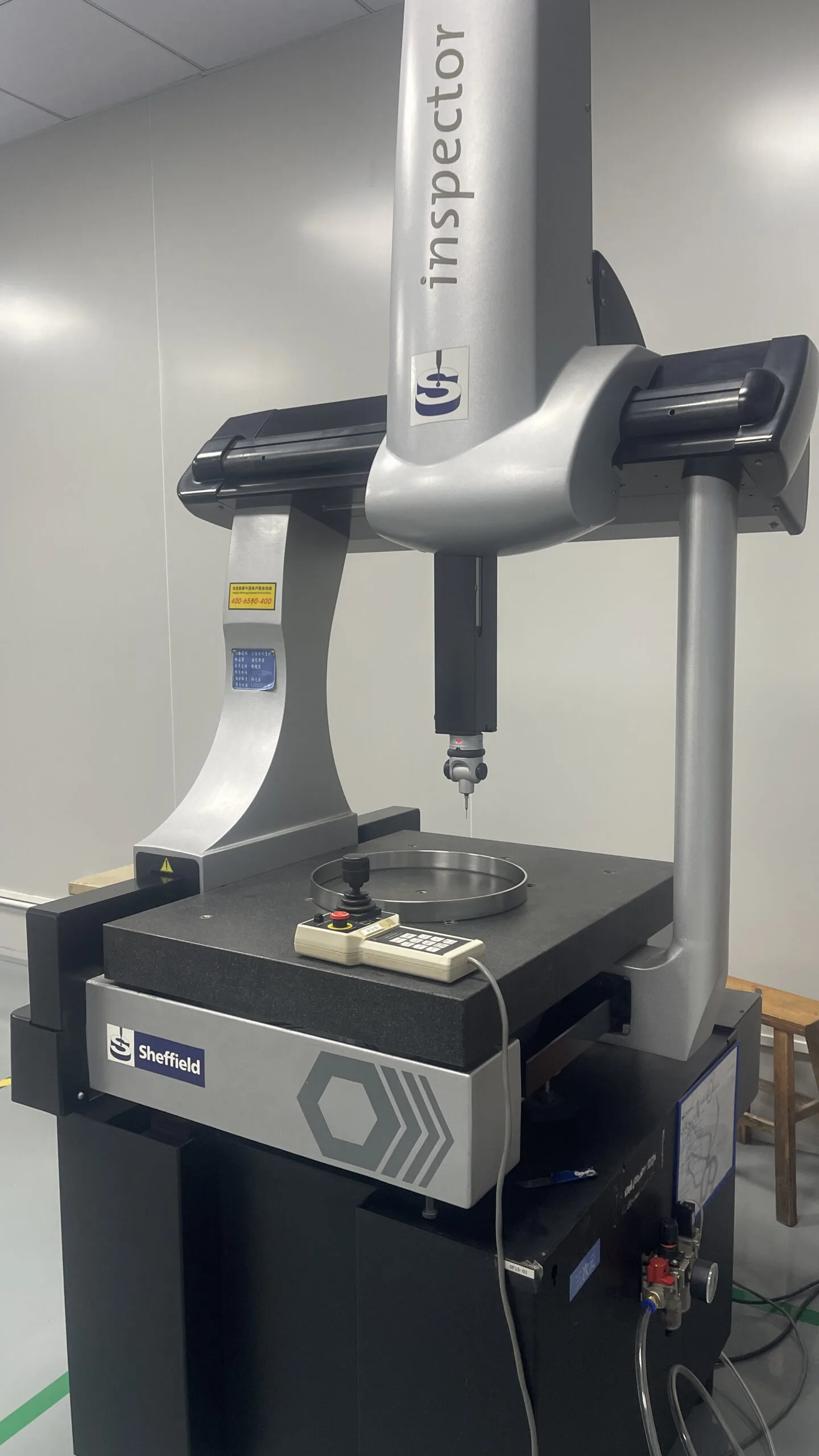
CMM Testing scaled

CMM Testing

High-precision 3D measurement using a Coordinate Measuring Machine to verify dimensional accuracy and GD&T requirements, ensuring every part meets the exact design specifications.
Surface Roughness Test scaled

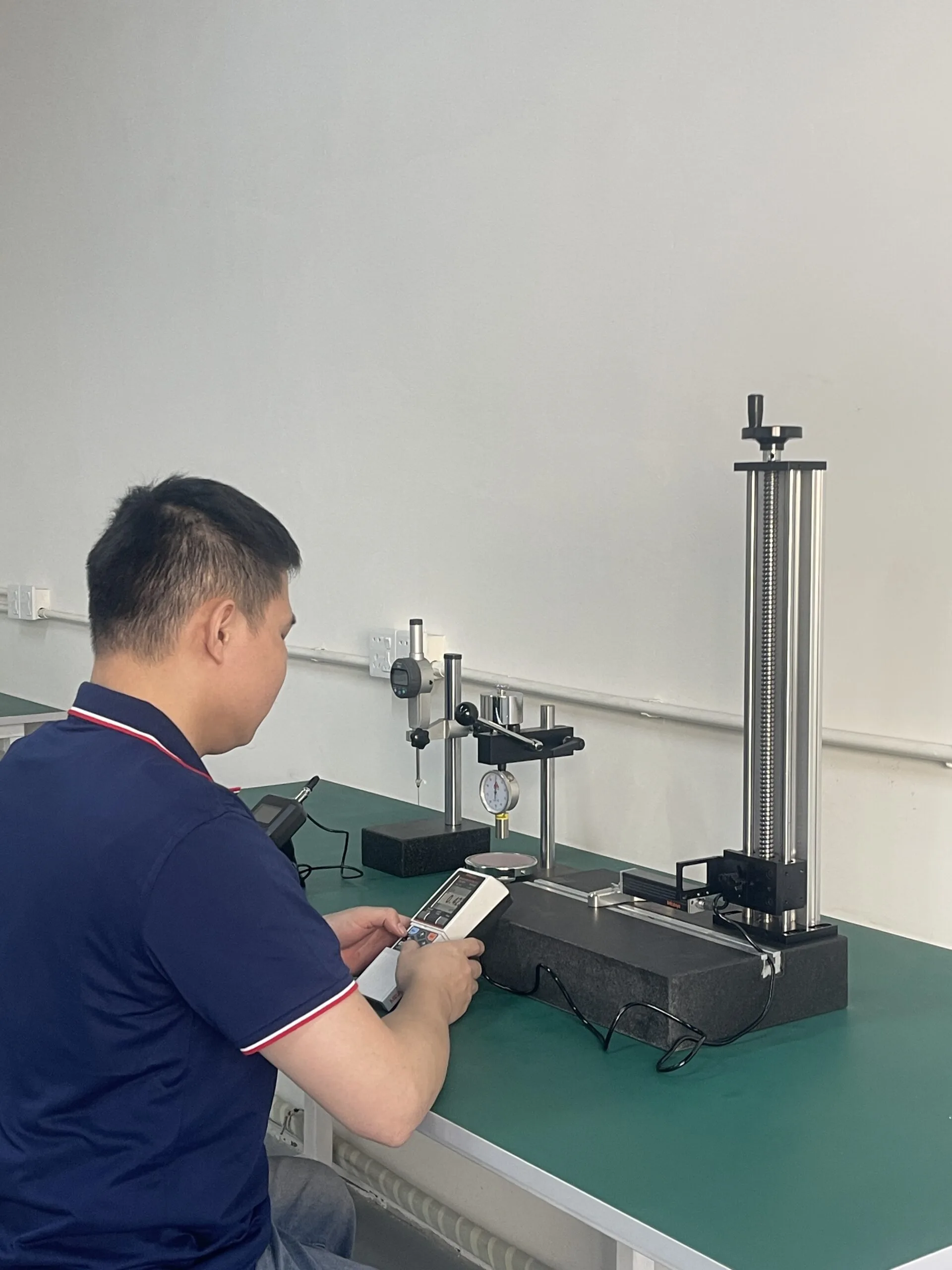
Surface Roughness Test

The stylus method is a technique used to measure the surface roughness of the workpiece,which is suitable for the test range of R0.02-5μm,It has the characteristics of high precision, wide measuring range and simple operation. It is widely used in the inspection of various metal and non-metal processing surfaces.
Projector Test

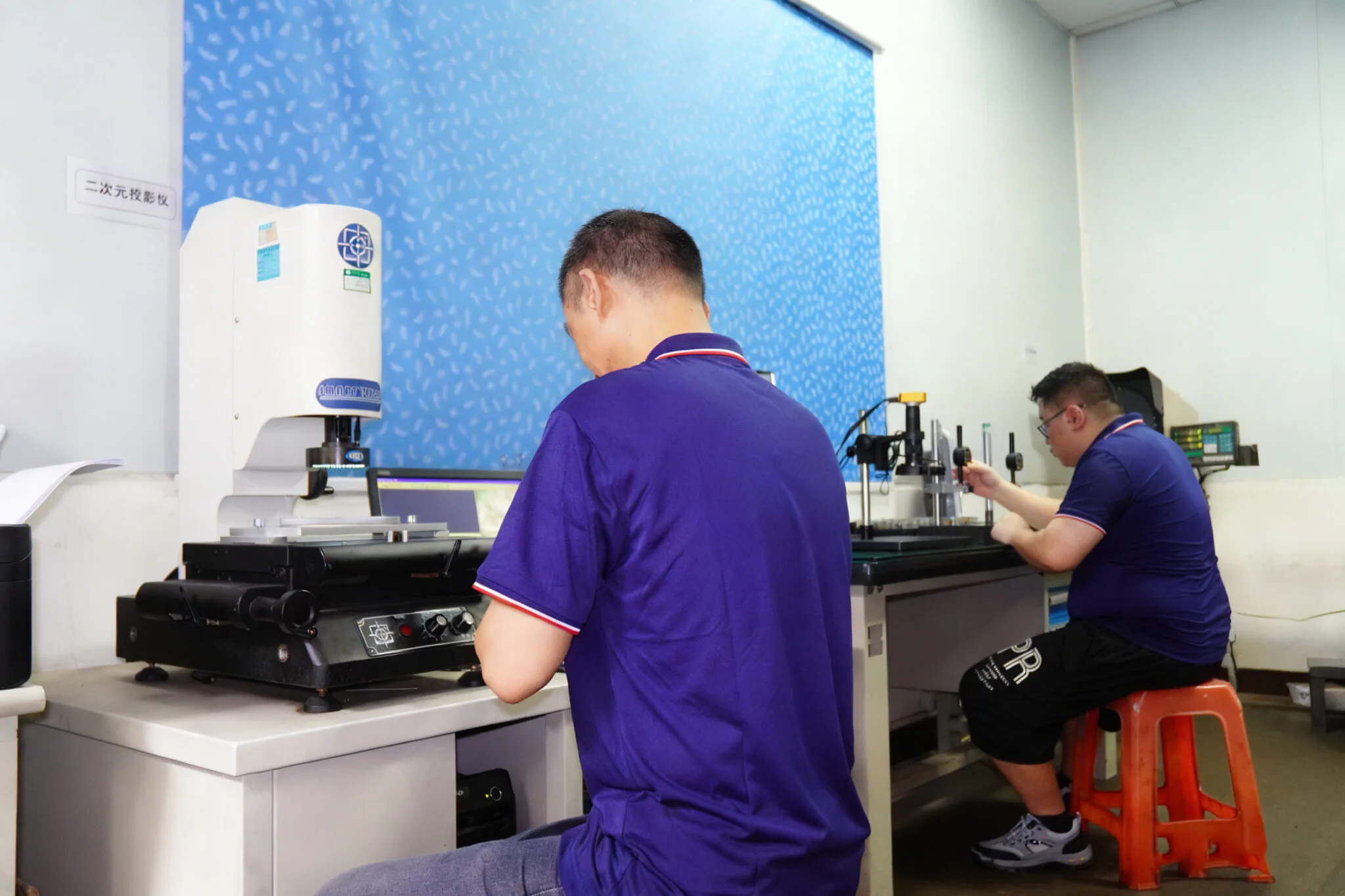
Projector Test

Projector is used to measure hardware dimensions include position, concentricity, straightness, profile, roundness and the size related to the GD&T,such as diameter, radius, length, Angle, width, height, depth, point-to-point distance, point-to-line distance, circle distance, and so on.
Salt Spray Test

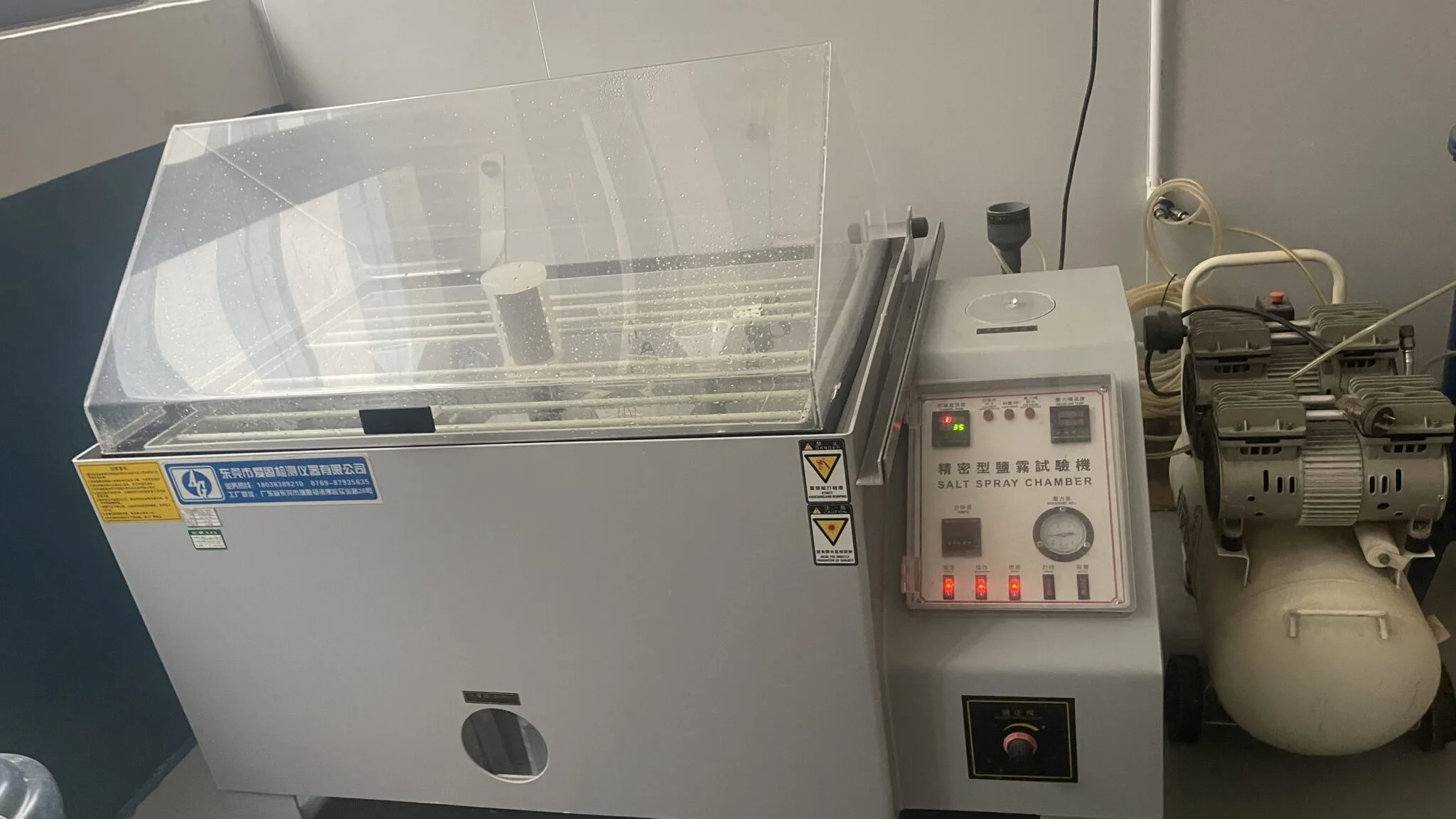
Salt Spray Test

Salt spray test is divided into neutral salt spray test, acetate spray test, copper salt accelerated acetate spray test, alternating salt spray test. Neutral salt spray test is widely used in various industries.By accelerating corrosion of metal protective layer,which makes it lose decorative and reduce the mechanical strength, the purpose is to assess the product or metal material salt spray corrosion resistance quality.

CNC Milling Machining FAQs

A: Mill-turn machining reduces multiple setups, improves dimensional consistency, shortens production cycles, and lowers manufacturing costs by combining several operations into one process.

A: Mill-turn machining is ideal for parts that require both rotational and milled features, such as shafts, connector pins, valve components, sensor housings, fittings, and complex mechanical parts.

A: We machine a wide range of materials, including aluminum, stainless steel, carbon steel, alloy steel, titanium, brass, copper, and engineering plastics such as POM, Nylon, PTFE, and PEEK.

A: Yes. Mill-turn machining is highly efficient for prototype development, low-volume manufacturing, and medium-volume production because it minimizes setup time and secondary operations.

A: Depending on material and geometry, surface finishes can typically achieve Ra 0.8–3.2 μm. Additional finishing processes such as anodizing, plating, polishing, sandblasting, and powder coating are also available.

A: Mill-turn machining is widely used in aerospace, automotive, new energy, robotics, motorcycles, electronics, and industrial equipment manufacturing.

Follow us

Contact Us

  • 0769-81159903
  • 0769-81159904
  • info@yumeiprecision.com
  • No.2 delong road,changan town, dongguan city,523866, Guangdong Province, China
©2026 Dongguan Yumei Hardware Co.,Ltd- All rights reserved