Swiss CNC Turning Services for High-Precision Small Parts

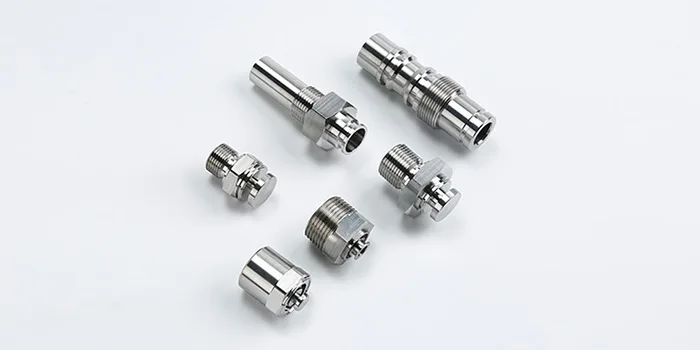
We provide Swiss-type CNC machining services for high-precision, small-diameter, and long slender components with tight tolerances and stable mass production capability.

From prototypes to small batch production, we machine your parts strictly according to drawings.

+

Years of Experience

+

Advanced CNC Machines

+

Customer cooperation Cases

%

Customer satisfaction

Why Swiss CNC Turning?

Exceptional Accuracy

Swiss turning supports tight tolerances and excellent repeatability for precision applications.


Ideal for Small and Slender Parts

Minimizes vibration and deflection when machining long, thin components.


Multiple Operations in One Setup

Turning, drilling, milling, threading, and slotting can be completed efficiently in a single cycle.


Consistent Production Quality

Provides stable dimensional control from prototype to production.

Swiss CNC Turning Capabilities

Small Diameter Machining

Manufacturing miniature parts with precise dimensional control.

Long Slender Components

Maintaining stability and accuracy on high aspect ratio parts.

Tight-Tolerance Machining

Producing critical functional components with strict dimensional requirements.

Complex Features

Cross holes, grooves, flats, slots, and threaded features.

Multi-Process Machining

Combining turning, drilling, milling, and threading into one operation.

Production Scalability

Supporting prototypes, low-volume production, and repeat manufacturing.

Materials We Machine with Swiss CNC Turning

Our Swiss CNC turning services support a comprehensive range of engineering materials, from lightweight aluminum and corrosion-resistant stainless steel to high-performance titanium and engineering plastics. Combined with our precision machining expertise, these materials allow us to manufacture reliable components for demanding industrial applications.
Material Key Characteristics Swiss Machining Advantages Common Applications
Aluminum Lightweight, corrosion-resistant, excellent strength-to-weight ratio High cutting efficiency, excellent surface finish, ideal for high-speed machining Aerospace components, robotics, electronics enclosures, connector housings
Stainless Steel High strength, corrosion resistance, wear resistance Produces durable precision parts with tight tolerances, suitable for demanding environments Shafts, medical equipment, industrial machinery, automotive components
Brass Excellent machinability, corrosion resistance, electrical conductivity Easy to machine with minimal tool wear, capable of achieving fine details and smooth finishes Electrical connectors, terminals, fittings, precision inserts
Copper Outstanding electrical and thermal conductivity Ideal for precision conductive components, though slower cutting speeds may be required Busbars, electrical contacts, connector pins, heat dissipation components
Titanium High strength, lightweight, excellent corrosion resistance Suitable for high-performance precision parts requiring superior mechanical properties Aerospace components, motorsports parts, high-performance industrial equipment
Carbon Steel High strength, cost-effective, good wear resistance Provides excellent dimensional stability for functional mechanical components Bushings, shafts, fasteners, industrial machine parts
Alloy Steel High toughness, fatigue resistance, heat-treatable Ideal for precision components subjected to heavy loads and repeated stress Gears, drive components, automotive assemblies, mechanical systems
POM (Delrin®) Excellent dimensional stability, low friction, moisture resistance Easy to machine with excellent dimensional accuracy and minimal deformation Bushings, gears, rollers, automation components
PEEK High temperature resistance, chemical resistance, excellent mechanical strength Maintains stability under extreme operating conditions while achieving tight tolerances Semiconductor equipment, aerospace components, high-performance engineering parts
PTFE (Teflon®) Low friction, non-stick surface, excellent chemical resistance Suitable for precision sealing and insulation components, requires careful machining due to softness Seals, valve seats, insulating parts, chemical processing equipment
Nylon (PA) Tough, lightweight, wear-resistant Good machinability for functional plastic parts with excellent impact resistance Bearings, spacers, guides, mechanical wear parts

Industry Applications

Swiss CNC turning is the preferred manufacturing process for producing small, complex, and high-precision components across a wide range of industries. Combining tight tolerance control, excellent surface finish, and efficient production, we deliver custom Swiss machined parts for applications where precision and reliability are essential.

Aerospace

High-precision components manufactured for lightweight structures, complex geometries and demanding performance requirements.
Learn More

Automotive

Supporting prototype development, functional parts and low-volume production for automotive applications.
Learn More

New Energy

Machined components for energy systems requiring dimensional stability and reliable performance.
Learn More

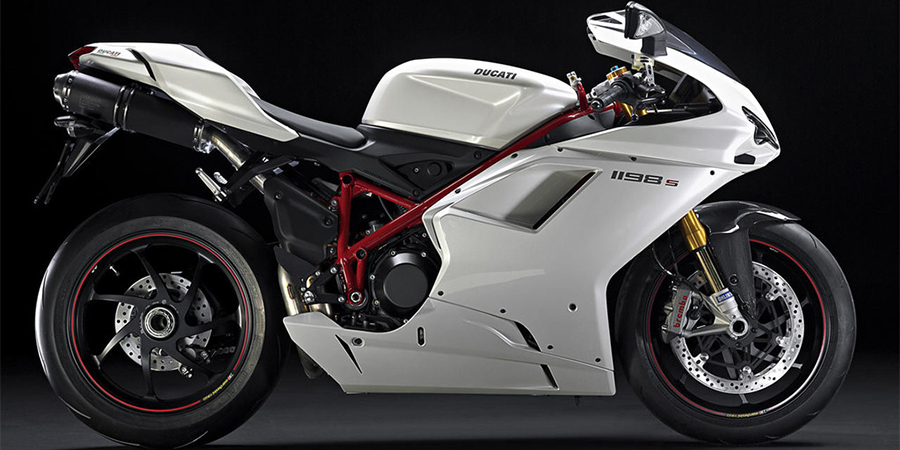
Motorcycle

Precision machining for motorcycle components, custom parts and performance accessories.
Learn More

Robotics

Complex machined parts for automation equipment, robotic assemblies and precision mechanisms.
Learn More

Typical Swiss Turned Parts We Produce

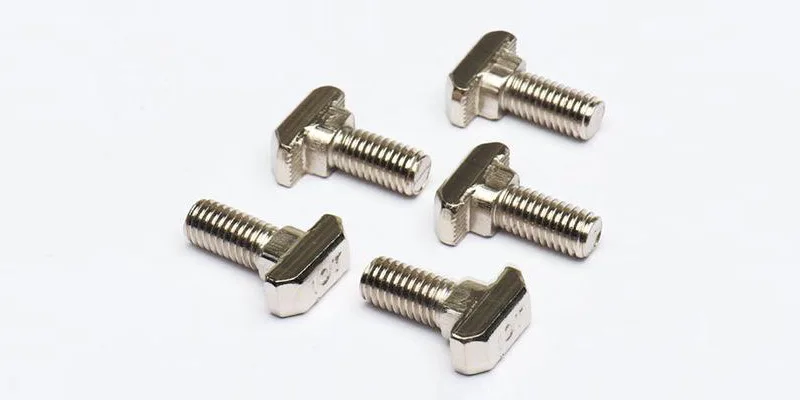
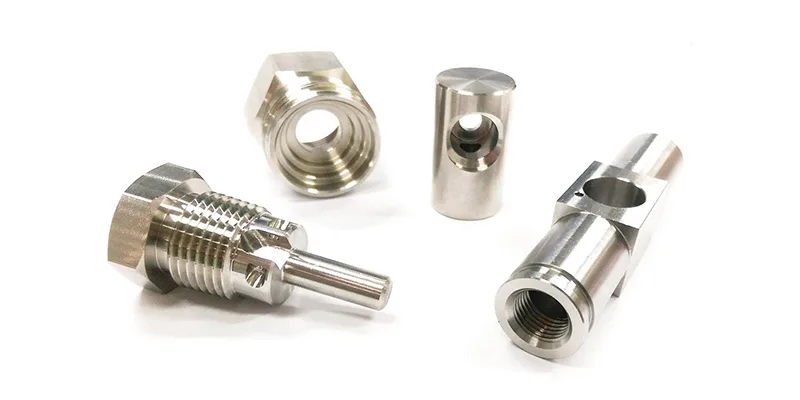
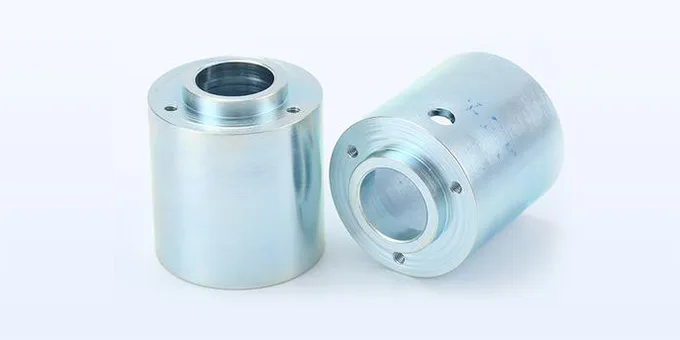
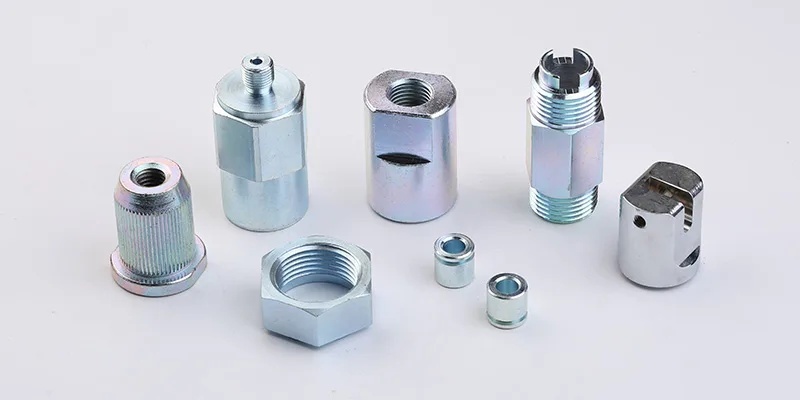
We manufacture a wide variety of custom Swiss turned parts designed for precision, durability, and consistent performance. Whether you need prototypes or production quantities, our Swiss turning capabilities enable efficient machining of complex cylindrical components with tight tolerances and excellent repeatability.
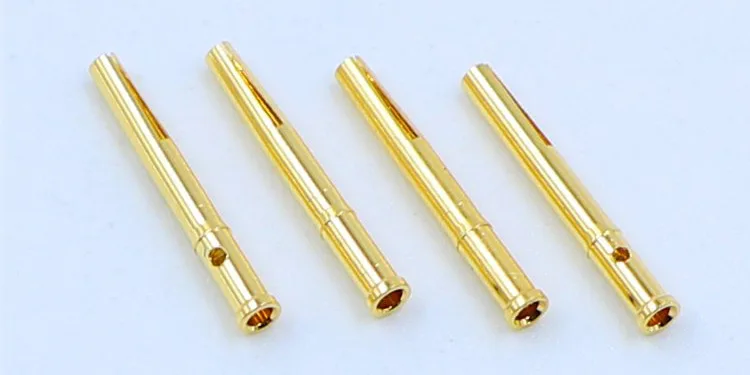
Connector Pins

Connector Pins

Used in electrical, automotive, and new energy applications.
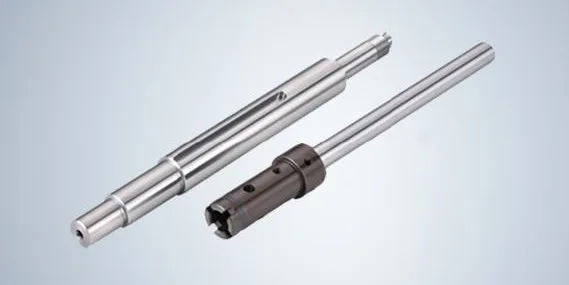
Precision Shafts

Precision Shafts

For robotics, automation, and industrial equipment.
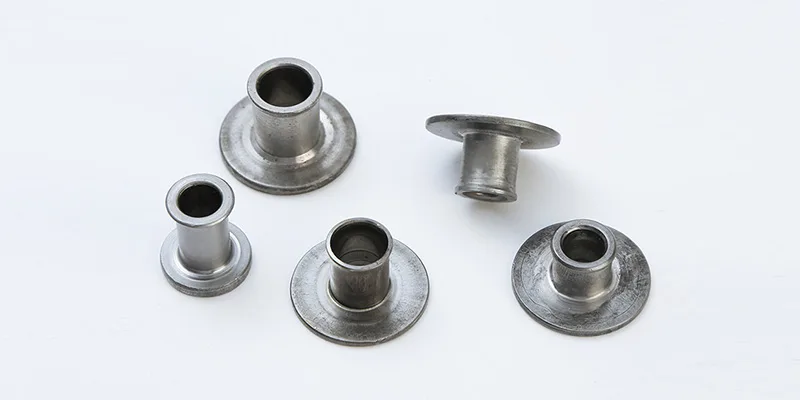
Bushings & Sleeves

Bushings & Sleeves

Wear-resistant and precision-guided components.
Sensor Components

Sensor Components

Small precision parts requiring tight dimensional control.
Precision Fasteners

Precision Fasteners

Custom screws, studs, and locating pins.
Valve Components

Valve Components

Flow-control parts with fine tolerances.
Motor Components

Motor Components

Precision turned components for electric motors.
Custom Cylindrical Parts

Custom Cylindrical Parts

Manufactured according to customer drawings.

Quality Control

We follow strict quality control procedures throughout the manufacturing process to ensure every part meets customer specifications. From material inspection and in-process checks to final verification, each component is carefully inspected for dimensional accuracy and surface quality.
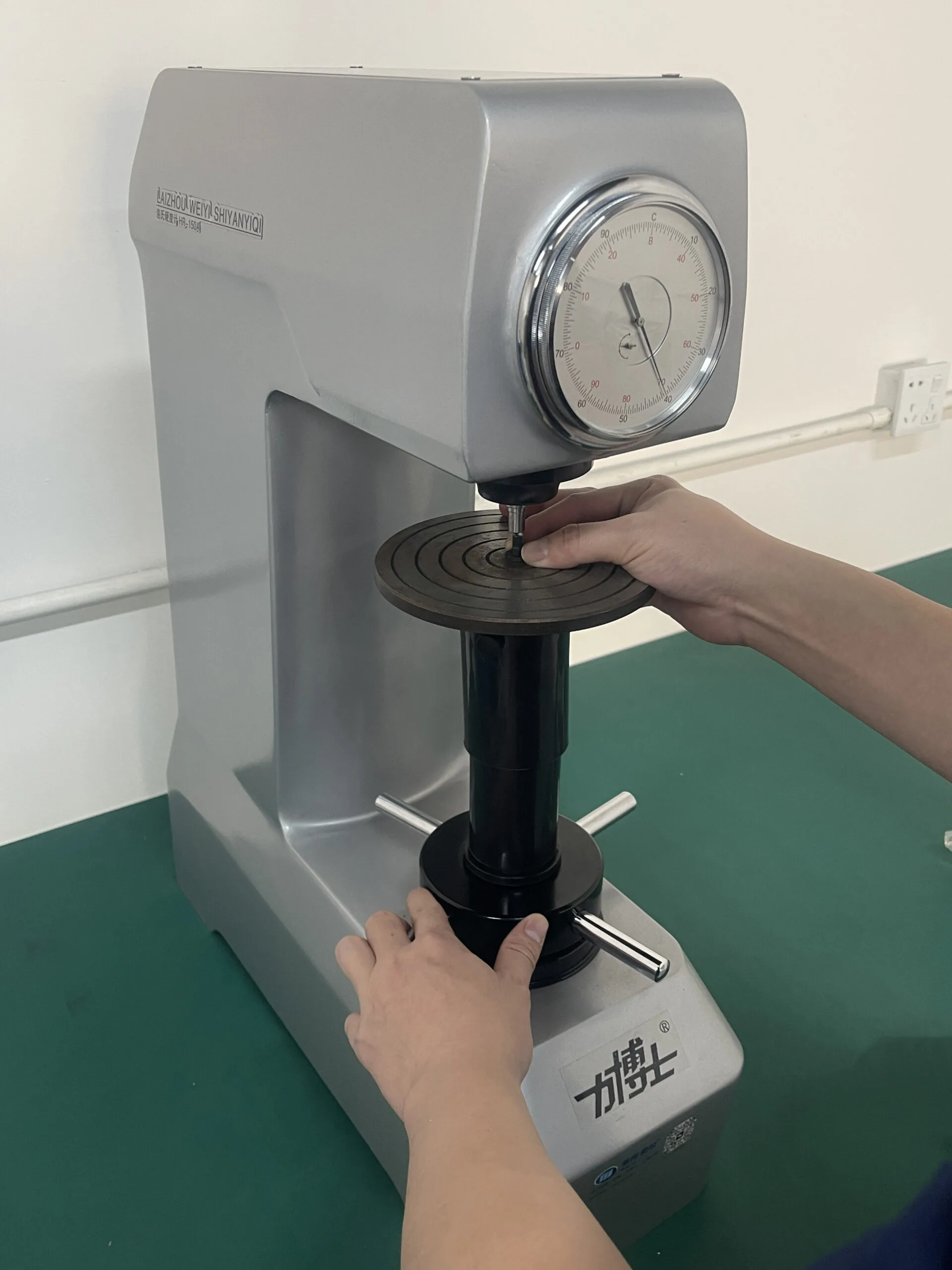
Hardness Test scaled

Hardness Test

Hardness test can be divided into Brinell hardness, Vickers hardness, Rockwell hardness, micro Vickers hardness, etc. Rockwell hardness test is the most commonly used test method, and the hardness value is determined by the depth of indentation plastic deformation. Hardness testing can be used to verify the surface and core hardness of the workpiece, mainly used in metal materials.Surface hardness is the resistance of the surface to deformation or damage, and the core hardness can reflect the essential properties of the material.
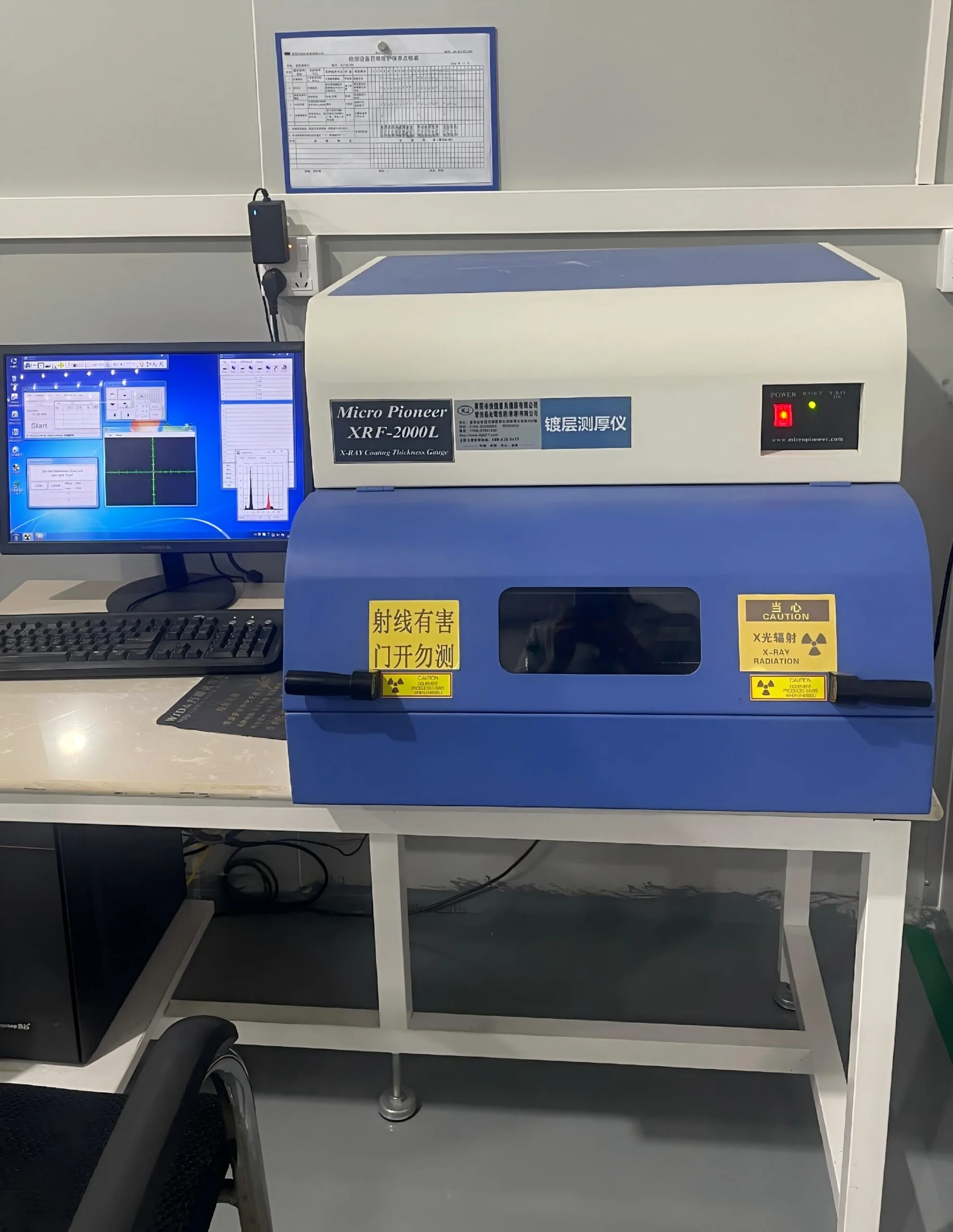
Coating Thickness Testing1 scaled

Coating Thickness Testing

Coating Thickness Testing is the process of measuring the thickness of a coating layer applied to a material's surface, typically to ensure that it meets specific standards for quality, durability, and performance. This testing is crucial in many industries, including automotive, aerospace, electronics, and construction, as it helps confirm that coatings—such as paint, anodizing, plating, or galvanizing—are applied evenly and meet required specifications.
Film Thickness Test1 scaled

Film Thickness Test

Film thickness test is a kind of method to measure the thickness of non-magnetic coatings (such as aluminum, chromium, copper, enamel, rubber, paint, etc.) on magnetic basis metal (such as steel, iron, alloys, and hard magnetic steel). It can also measure the thickness of non-conductive coatings (such as enamel, rubber, paint, plastic, etc.) on non-magnetic basis metal(such as copper, aluminum, zinc, tin, etc.).Our test method has the characteristics of small measurement error, high reliability and good stability, which can control and ensure the quality of products.
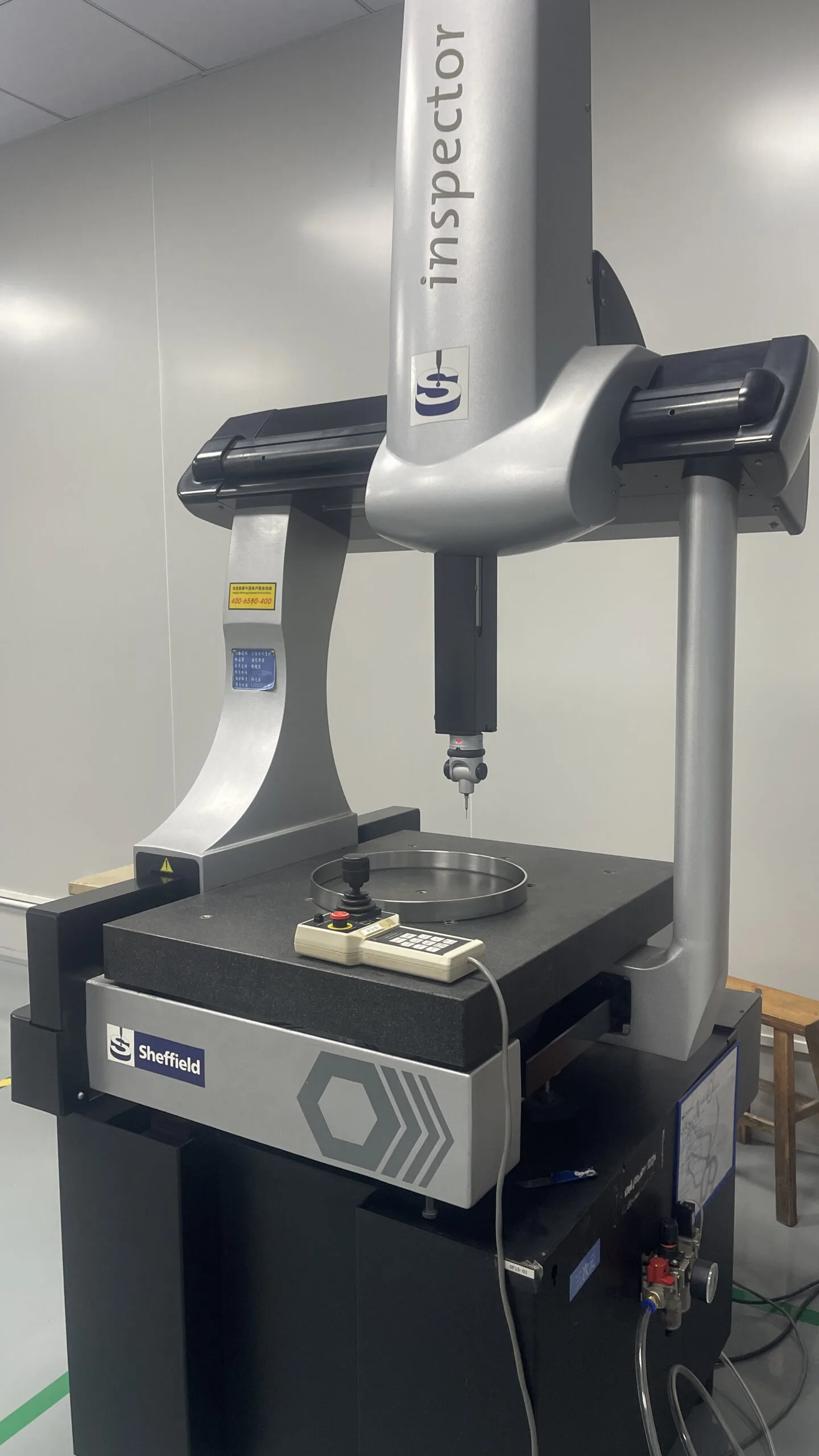
CMM Testing scaled

CMM Testing

High-precision 3D measurement using a Coordinate Measuring Machine to verify dimensional accuracy and GD&T requirements, ensuring every part meets the exact design specifications.
Surface Roughness Test scaled

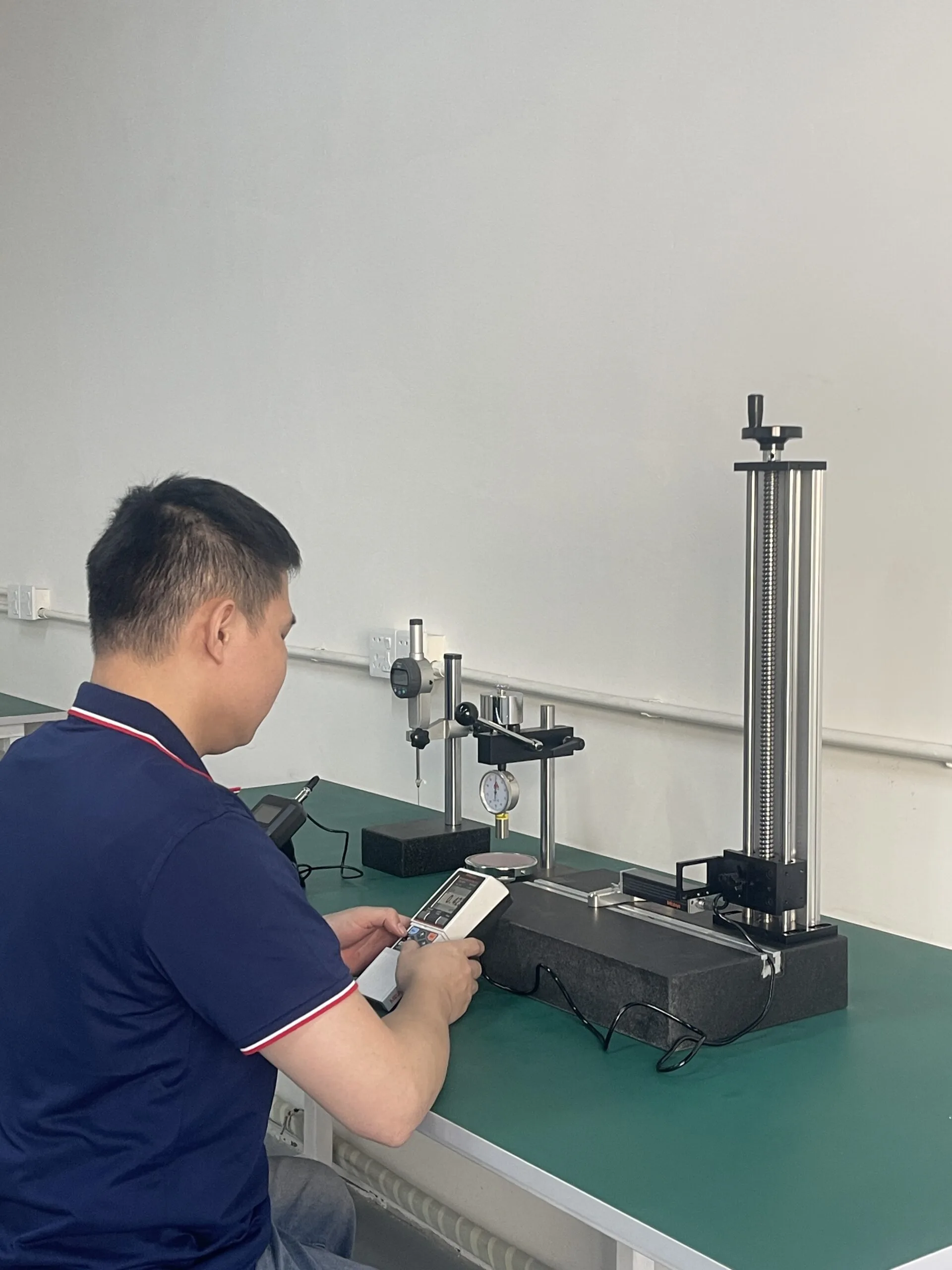
Surface Roughness Test

The stylus method is a technique used to measure the surface roughness of the workpiece,which is suitable for the test range of R0.02-5μm,It has the characteristics of high precision, wide measuring range and simple operation. It is widely used in the inspection of various metal and non-metal processing surfaces.
Projector Test

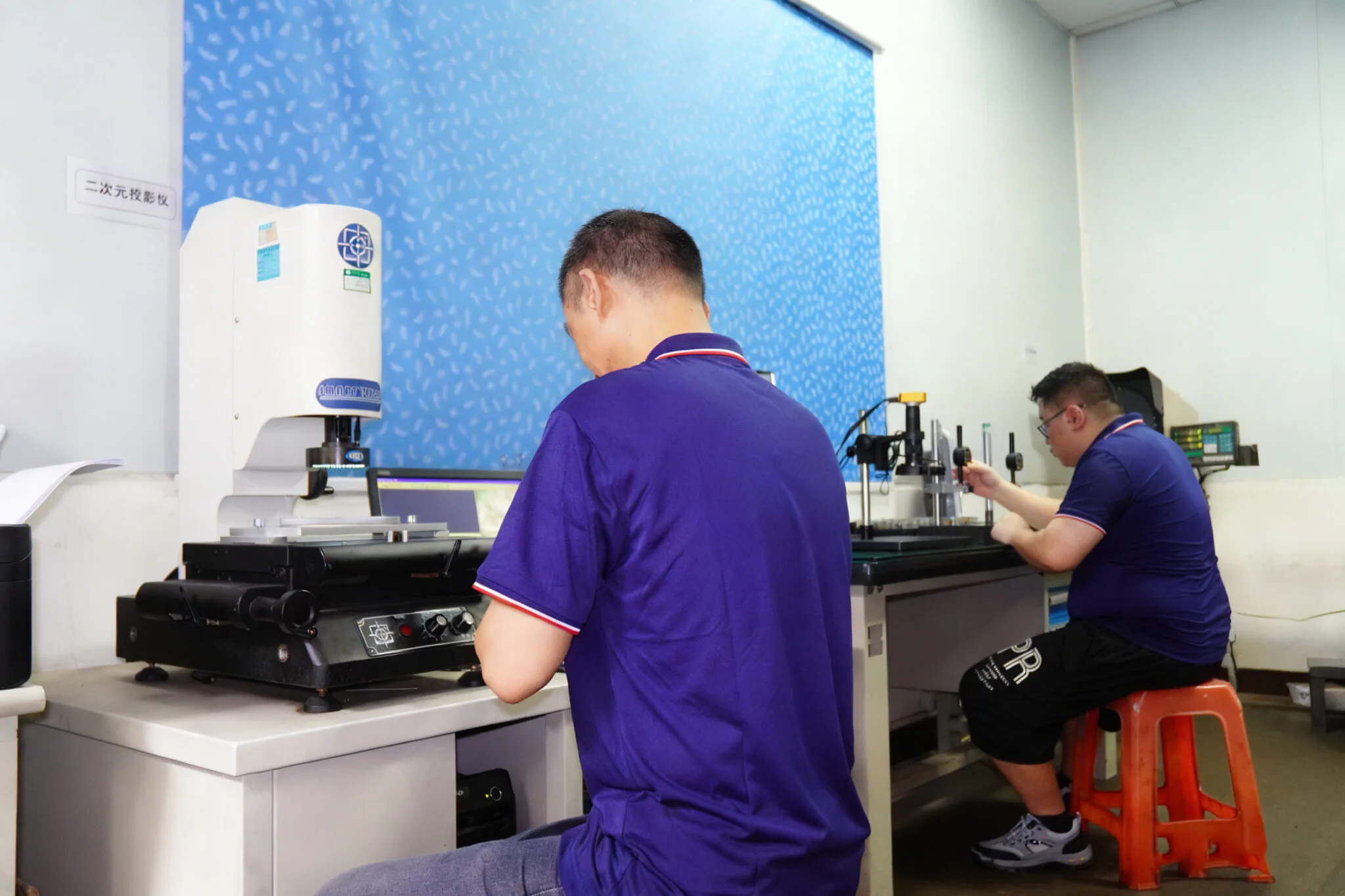
Projector Test

Projector is used to measure hardware dimensions include position, concentricity, straightness, profile, roundness and the size related to the GD&T,such as diameter, radius, length, Angle, width, height, depth, point-to-point distance, point-to-line distance, circle distance, and so on.
Salt Spray Test

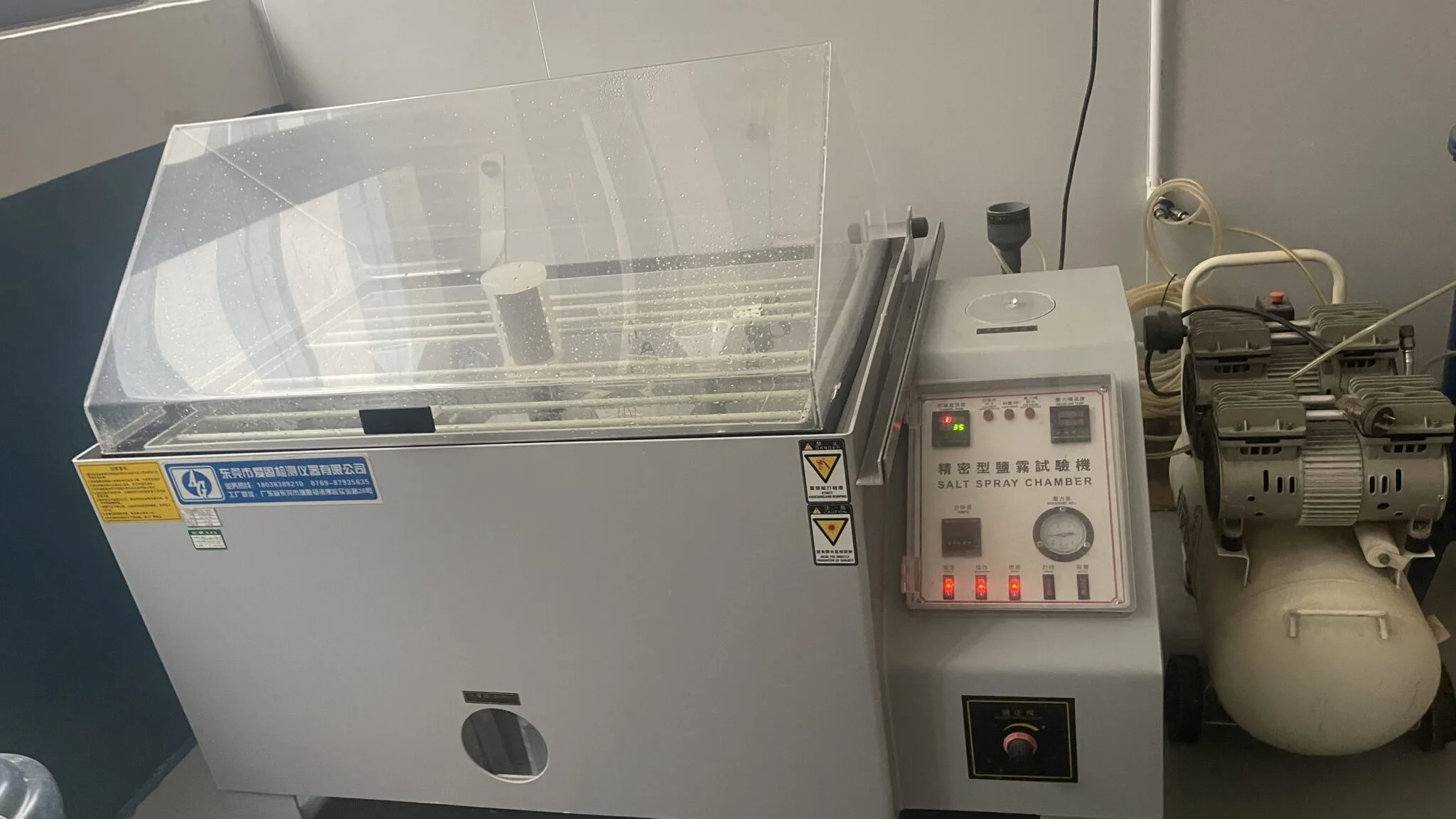
Salt Spray Test

Salt spray test is divided into neutral salt spray test, acetate spray test, copper salt accelerated acetate spray test, alternating salt spray test. Neutral salt spray test is widely used in various industries.By accelerating corrosion of metal protective layer,which makes it lose decorative and reduce the mechanical strength, the purpose is to assess the product or metal material salt spray corrosion resistance quality.

CNC Milling Machining FAQs

A: Swiss CNC turning is a precision machining process that uses a sliding headstock and guide bushing to support the workpiece close to the cutting tool. It is ideal for manufacturing small, complex, and long slender components with tight tolerances and excellent surface finishes.

A: Swiss CNC turning provides greater stability by supporting the material near the cutting zone, making it better suited for small-diameter and high length-to-diameter ratio parts. Conventional CNC turning is generally more suitable for larger and less complex components.

A: Our Swiss CNC turning services can achieve tolerances of up to ±0.01 mm, depending on the part geometry, material, and machining requirements.

A: Swiss CNC turning is ideal for precision shafts, connector pins, bushings, sleeves, threaded components, sensor parts, valve components, fasteners, and other small cylindrical parts with complex features.

A: Absolutely. We specialize in custom Swiss CNC turning services and manufacture parts strictly according to customer drawings, CAD models, or technical specifications.

A: Our Swiss CNC turning services support industries such as aerospace, automotive components, new energy, electronics, robotics, industrial automation, and motorcycle manufacturing, where precision and consistency are essential.

Follow us

Contact Us

  • 0769-81159903
  • 0769-81159904
  • info@yumeiprecision.com
  • No.2 delong road,changan town, dongguan city,523866, Guangdong Province, China
©2026 Dongguan Yumei Hardware Co.,Ltd- All rights reserved